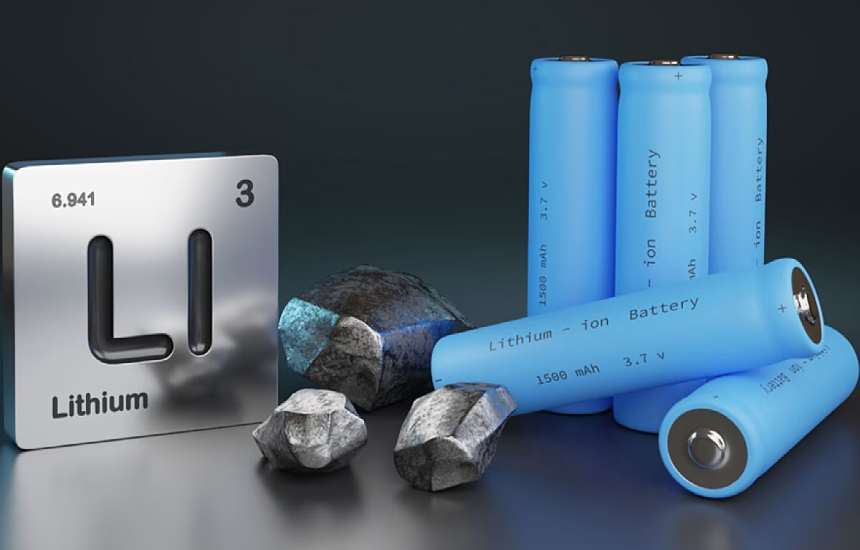
Литий-ионный аккумулятор является доминирующей коммерческой перезаряжаемой батареей нашего времени, питая всё от телефонов и ноутбуков до электромобилей и систем хранения энергии в сети. Так что Что такое литий-ионный аккумулятор и как он на самом деле работает? Ответ сводится к одному изящному механизму — перемещению ионов лития туда и обратно между двумя электродами — в сочетании с плотностью энергии, которую не может превзойти ни одна другая основная химия. Как профессиональный производитель литиевых батарей, UFOPOWER ежедневно проектирует и создает литиевые аккумуляторные блоки, основанные именно на этих принципах.
Что такое литий-ионный аккумулятор?
Сам по себе аккумулятор не является новой идеей: первая перезаряжаемая химия, свинцово-кислотный аккумулятор, была изобретена в 1859 году и до сих пор запускает двигатели внутреннего сгорания. Исследования, заложившие основу современных литий-ионных аккумуляторов, были опубликованы в 1970-х годах, а первая коммерческая литий-ионная батарея появилась на рынке в 1991 году. В 2019 году Джон Б. Гуден, М. Стэнли Уиттингхэм и Акира Ёсино получили Нобелевскую премию по химии за их вклад в разработку этого аккумулятора.
Сегодня литий-ионные аккумуляторы являются преобладающей коммерческой формой перезаряжаемых батарей, широко используемой в портативной электронике и электромобилях. Часть причины простая физика: литий имеет наименьшую атомную массу и радиус среди всех элементов, кроме водорода и гелия, что позволяет литий-ионным элементам достигать очень высокой напряжение и накопление заряда на единицу массы и на единицу объема.
Как работает литий-ионный аккумулятор
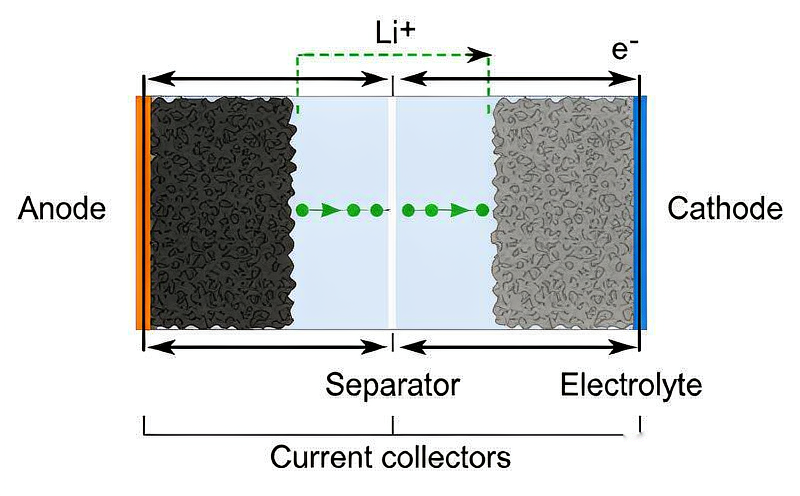
Во время цикла разряда атомы лития в аноде ионизируются и отделяются от своих электронов. Ионы лития перемещаются от анода, проходят через электролит и пересекают микропористый сепаратор, пока не достигают катода, где они вновь соединяются со своими электронами и снова становятся электрически нейтральными. Зарядка просто выполняет этот процесс в обратном порядке, выталкивая ионы обратно к аноду.
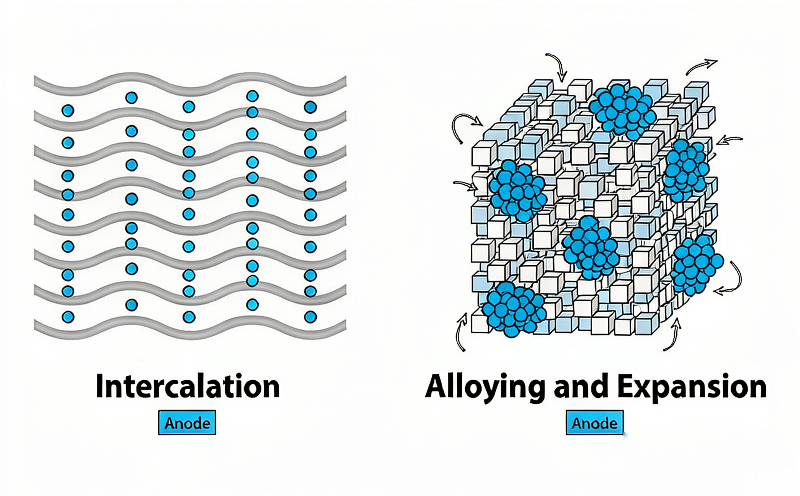
Способ удерживания лития внутри графитового анода называется интеркаляцияИоны физически внедряются между двумерными слоями графена, из которых состоит объемный графит. Поскольку ионы относительно малы по сравнению с слоистой углеродной решеткой, графитовые аноды не деформируются при зарядке или разрядке. И поскольку связи между атомами углерода намного прочнее слабых взаимодействий между ионами лития и анодом, внедрение обратимо — именно это и обеспечивает длительный срок службы цикла.
Li-Ion против свинцово-кислотных: почему химия одержала победу
Сравнение литий-ионных аккумуляторов с более старыми, но высококачественными технологиями перезаряжаемых батарей — никель-кадмиевыми, никель-металлгидридными и свинцово-кислотными — показывает, почему литий-ионные технологии вытеснили их. Числа ниже взяты из опубликованных исследований батарей.
| Метрика | литий-ионный | Кислотно-свинцовый (ссылочный) |
|---|
| Плотность энергии | До ~330 Вт·ч/кг | ~75 Wh/kg |
| Cell voltage | Up to 3.6 V | Lower — Li-ion is 1.5–3× higher |
| Саморазряд | ~1.5–2% per month | Высше |
| Техническое обслуживание | Comparatively low; no scheduled cycling needed | Requires more upkeep |
| Memory effect | None | Present in some older chemistries |
| Toxic metals | No lead or cadmium | Contains lead |
Cathode Chemistries: LCO, LMO and LFP
Li-ion batteries can use a number of different materials as electrodes, and the cathode choice defines how the cell performs. The most common combination is lithium cobalt oxide (LCO) as the cathode with graphite as the anode, used in commercial portable devices such as phones and laptops. Other common cathode materials include lithium manganese oxide (used in hybrid-electric and electric automobiles) and lithium iron phosphate. Li-ion cells typically use an ether-based organic electrolyte.
Key Advantages of Li-Ion Batteries
Highest energy density in class. Up to ~330 Wh/kg, versus roughly 75 Wh/kg for lead-acid — about four times the energy for the same mass.
High cell voltage. Up to 3.6 V per cell, 1.5–3× the voltage of alternatives, which suits high-power applications like transportation.
Low maintenance. No scheduled cycling required to maintain battery life.
No memory effect. Repeated partial charge/discharge cycles will not make the battery "remember" a lower capacity.
Low self-discharge. Around 1.5–2% per month.
No toxic lead or cadmium.
The Limits: Where Li-Ion Still Falls Short
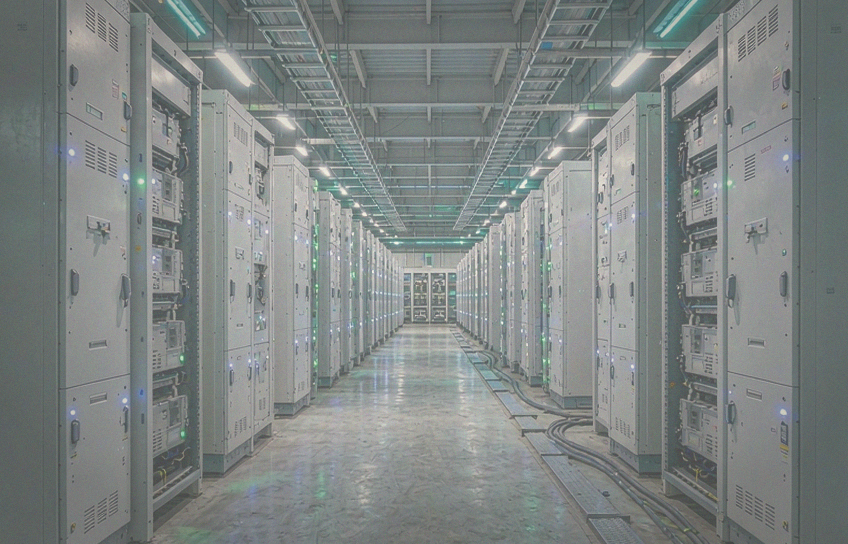
Li-ion's reach is enormous — it accounted for over 80% of the more than 190 gigawatt-hours of battery energy storage deployed globally through 2023. But a fully renewable grid demands far more than today's technology can deliver alone, and the gap is instructive for anyone specifying batteries.
Scale. More than 10 terawatt-hours of storage capacity would be needed — multiplying today's deployments by roughly 100, which stresses supply chains for rare materials such as lithium, nickel and cobalt.
Cost. Large-scale, long-duration storage needs costs well below $100/kWh — more than twice as cheap as today's state-of-the-art — plus more than 20 years of reliable service life.
Thermal and electrical management. Scaling conventional systems from kWh to MWh or GWh is a serious engineering challenge.
Duration. Storing 8 hours of national electricity implies terawatt-hours of batteries; seasonal storage implies petawatt-hours.
What Comes Next: Silicon, Lithium-Sulfur and 3D Electrodes
Battery research is pursuing several routes beyond conventional graphite anodes. Alloying anode materials such as silicon, germanium and antimony react with lithium ions to form alloys, which can store more capacity than graphite's intercalation. The trade-off is volume change: alloying materials swell and shrink more during cycling, which can deform the electrode and cause performance loss or failure — which is why researchers introduce nanostructures to reduce the stress and strain.
| Anode approach | Mechanism | Trade-off |
|---|
| Graphite (standard) | Intercalation of Li ions between graphene layers | Highly reversible, minimal volume change; lower capacity |
| Silicon / germanium / antimony | Reacts with Li ions to form alloys | Greater capacity, but larger volume change risks electrode damage |
| Lithium metal / lithium-sulfur | Higher theoretical energy density using abundant sulfur | Dendrite growth and limited cycle life remain unsolved |
Lithium-sulfur is attractive because sulfur is abundant and light, so Li-S batteries could be cheaper and lighter than Li-ion with graphite anodes — but achieving high energy density together with long cycle life remains a grand challenge. Lithium-based devices also often fail when metallic dendrites grow on the anode like tree roots cracking a sidewalk, which is why diagnostics, 3D electrode architectures and advanced imaging techniques are all active research areas for predicting and preventing degradation.
Turning Battery Chemistry Into a Working Pack
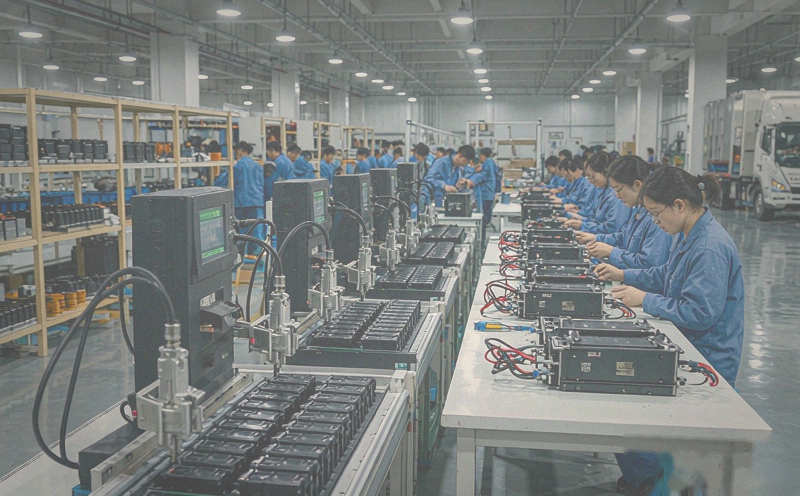
Understanding Li-ion chemistry is one thing; turning it into a pack that survives real-world cycling, temperature swings and vibration is another. As a professional lithium battery manufacturer, UFOPOWER takes the chemistry from the data sheet to the finished product: cell selection and matching, in-house pack assembly, integrated BMS configuration and 100% factory testing before shipment.
OEM / ODM and custom battery solutions — chemistry, voltage, capacity and pack geometry matched to your application
In-house production line and strict quality control across every build
Integrated BMS for safe charging, discharge protection and performance monitoring
Factory-direct service for brands, integrators and distributors
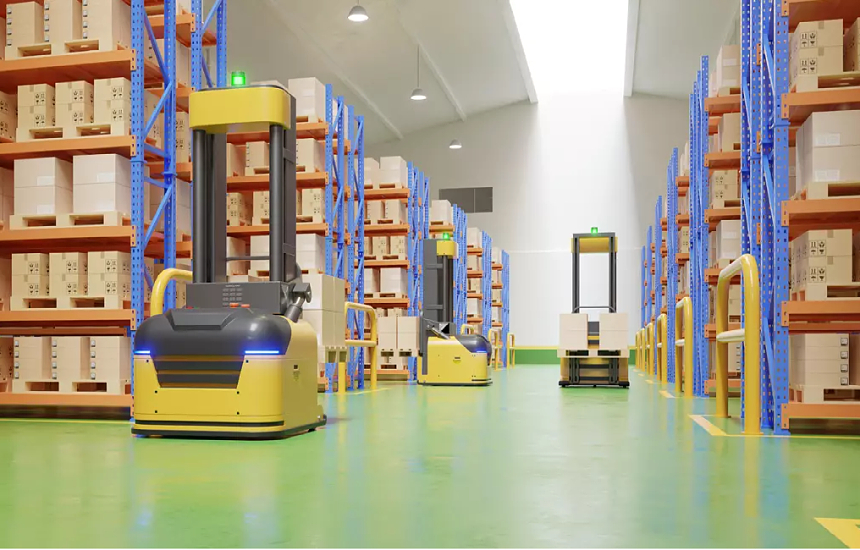
If your product needs a lithium battery designed around real load profiles — from power tools and AGVs to forklifts and energy storage — send us the specification and we will build it to spec.
© 2026 UFOPOWER. All rights reserved. | www.ufobattery.com Электронная почта: sales@ufo-battery.com Аккумуляторы UFOPOWER | Индивидуальные решения по аккумуляторам


 EN
EN AR
AR DE
DE ES
ES FR
FR JP
JP KO
KO PT
PT RU
RU Главная >
  30 сентября 2026 года





 в WhatsApp