
 2026년 9월 30일
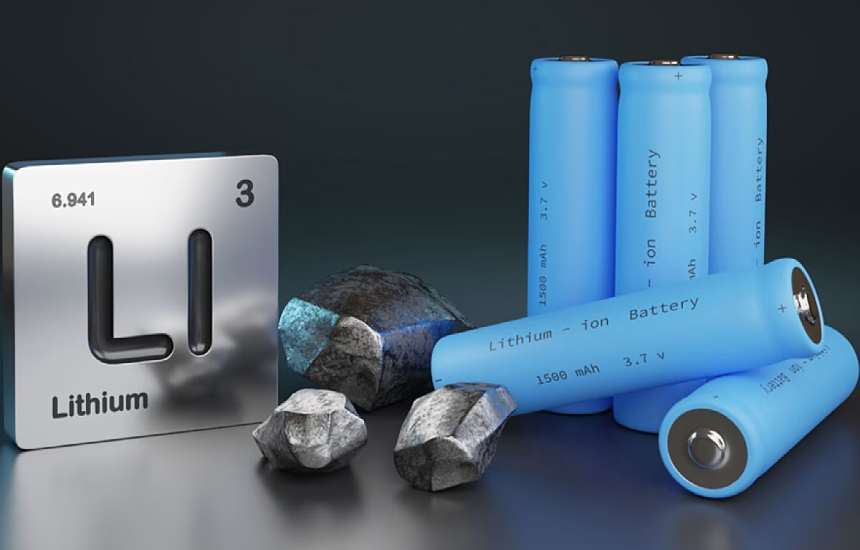
리튬 이온 배터리는 우리 시대의 주도적인 상용 충전식 배터리로, 휴대폰과 노트북부터 전기차와 그리드 저장 시스템에 이르기까지 모든 것을 구동합니다. 리튬 이온 배터리란 무엇이며, 실제로 어떻게 작동하는가? 답은 한 가지 우아한 메커니즘 — 리튬 이온이 두 전극 사이를 왕복하는 것 — 과 다른 주류 화학 반응과도 결코 견줄 수 없는 에너지 밀도의 조합으로 이어진다. UFOPOWER는 전문 리튬 배터리 제조업체로서 매일 바로 이러한 원칙에 따라 리튬 팩을 설계하고 제조한다.
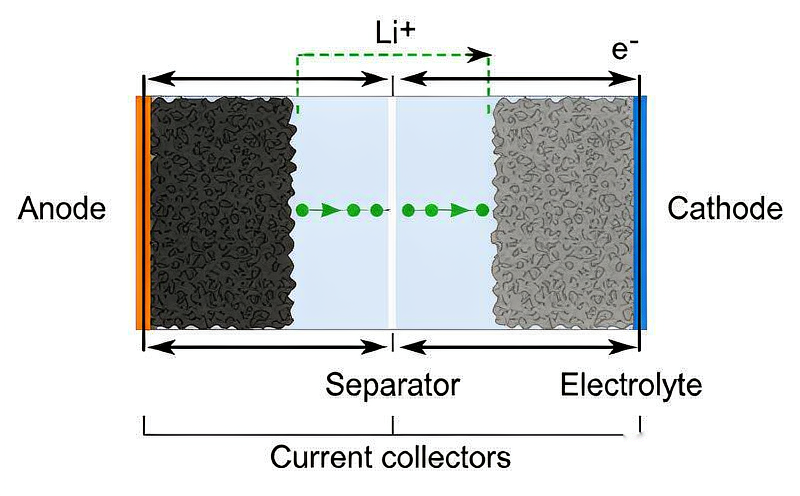
재충전 가능한 배터리 자체는 새로운 아이디어가 아니다: 첫 번째 재충전 가능한 화학 배터리인 납산 배터리는 1859년에 발명되었으며 오늘날에도 내연 기관을 시동하는 데 사용된다. 현대 리튬 이온 배터리를 뒷받침하는 연구는 1970년대에 발표되었으며, 첫 번째 상용 리튬 이온 셀은 1991년에 시장에 출시되었다. 2019년에 존 B. 굿윈, M. 스탠리 위팅엄, 아키라 요시노는 이 배터리 개발에 기여한 공로로 화학 분야 노벨상을 수상했다.
오늘날 리튬 이온 배터리는 충전식 배터리의 주요 상용 형태로, 휴대용 전자기기와 전기화된 교통 수단에 널리 사용되고 있습니다. 그 이유 중 일부는 단순한 물리학 때문인데, 리튬은 수소와 헬륨을 제외하고 모든 원소 중 가장 작은 원자량과 반경을 가지고 있어 리튬 이온 셀이 매우 높은 단위 질량당 및 단위 부피당 전압과 충전 저장량.
방전 사이클 동안, 음극의 리튬 원자는 전자와 이온화되어 분리된다. 리튬 이온은 음극에서 출발해 전해질을 통과하고 미세 투과성 분리막을 넘어서 양극에 도달하며, 양극에서 전자와 다시 결합해 전기적으로 중성 상태가 된다. 충전은 단순히 이 과정을 역순으로 진행하여 이온을 음극으로 다시 밀어넣는 것이다.
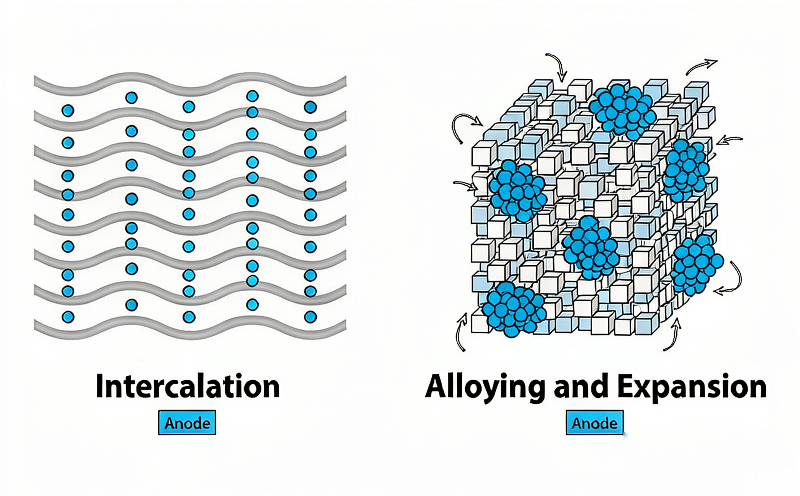
그래핀 음극 내부에서 리튬이 고정되는 방식은 간섭이온들은 그래핀의 2D 층 사이에 물리적으로 삽입됩니다. 이온들은 층상 탄소 격자에 비해 작기 때문에, 그래핀 양극은 충전 또는 방전으로 인해 물리적으로 변형되지 않습니다. 또한 탄소-탄소 결합은 리튬 이온과 양극 사이의 약한 상호작용보다 훨씬 강하기 때문에, 삽입 반응은 매우 가역적입니다. 이것이 바로 긴 사이클 수명이 가능한 이유입니다.
리튬이온 배터리를 더 오래된 고품질 재충전 기술인 니켈 카드뮴, 니켈 수소화물 및 납산 배터리와 비교해 보면 리튬이온이 왜 대체되었는지 알 수 있다. 아래 숫자는 공개된 배터리 연구 자료에서 가져온 것이다.
| 메트릭 | 리튬이온 | 납산 (기준) |
|---|---|---|
| 에너지 밀도 | 최대 ~330 Wh/kg | ~75 Wh/kg |
| Cell voltage | Up to 3.6 V | Lower — Li-ion is 1.5–3× higher |
| 자체 방전 | ~1.5–2% per month | 더 높은 |
| 유지보수 | Comparatively low; no scheduled cycling needed | Requires more upkeep |
| Memory effect | None | Present in some older chemistries |
| Toxic metals | No lead or cadmium | Contains lead |
Li-ion batteries can use a number of different materials as electrodes, and the cathode choice defines how the cell performs. The most common combination is lithium cobalt oxide (LCO) as the cathode with graphite as the anode, used in commercial portable devices such as phones and laptops. Other common cathode materials include lithium manganese oxide (used in hybrid-electric and electric automobiles) and lithium iron phosphate. Li-ion cells typically use an ether-based organic electrolyte.
Highest energy density in class. Up to ~330 Wh/kg, versus roughly 75 Wh/kg for lead-acid — about four times the energy for the same mass.
High cell voltage. Up to 3.6 V per cell, 1.5–3× the voltage of alternatives, which suits high-power applications like transportation.
Low maintenance. No scheduled cycling required to maintain battery life.
No memory effect. Repeated partial charge/discharge cycles will not make the battery "remember" a lower capacity.
Low self-discharge. Around 1.5–2% per month.
No toxic lead or cadmium.
Li-ion's reach is enormous — it accounted for over 80% of the more than 190 gigawatt-hours of battery energy storage deployed globally through 2023. But a fully renewable grid demands far more than today's technology can deliver alone, and the gap is instructive for anyone specifying batteries.
Scale. More than 10 terawatt-hours of storage capacity would be needed — multiplying today's deployments by roughly 100, which stresses supply chains for rare materials such as lithium, nickel and cobalt.
Cost. Large-scale, long-duration storage needs costs well below $100/kWh — more than twice as cheap as today's state-of-the-art — plus more than 20 years of reliable service life.
Thermal and electrical management. Scaling conventional systems from kWh to MWh or GWh is a serious engineering challenge.
Duration. Storing 8 hours of national electricity implies terawatt-hours of batteries; seasonal storage implies petawatt-hours.
Battery research is pursuing several routes beyond conventional graphite anodes. Alloying anode materials such as silicon, germanium and antimony react with lithium ions to form alloys, which can store more capacity than graphite's intercalation. The trade-off is volume change: alloying materials swell and shrink more during cycling, which can deform the electrode and cause performance loss or failure — which is why researchers introduce nanostructures to reduce the stress and strain.
| Anode approach | Mechanism | Trade-off |
|---|---|---|
| Graphite (standard) | Intercalation of Li ions between graphene layers | Highly reversible, minimal volume change; lower capacity |
| Silicon / germanium / antimony | Reacts with Li ions to form alloys | Greater capacity, but larger volume change risks electrode damage |
| Lithium metal / lithium-sulfur | Higher theoretical energy density using abundant sulfur | Dendrite growth and limited cycle life remain unsolved |
Lithium-sulfur is attractive because sulfur is abundant and light, so Li-S batteries could be cheaper and lighter than Li-ion with graphite anodes — but achieving high energy density together with long cycle life remains a grand challenge. Lithium-based devices also often fail when metallic dendrites grow on the anode like tree roots cracking a sidewalk, which is why diagnostics, 3D electrode architectures and advanced imaging techniques are all active research areas for predicting and preventing degradation.
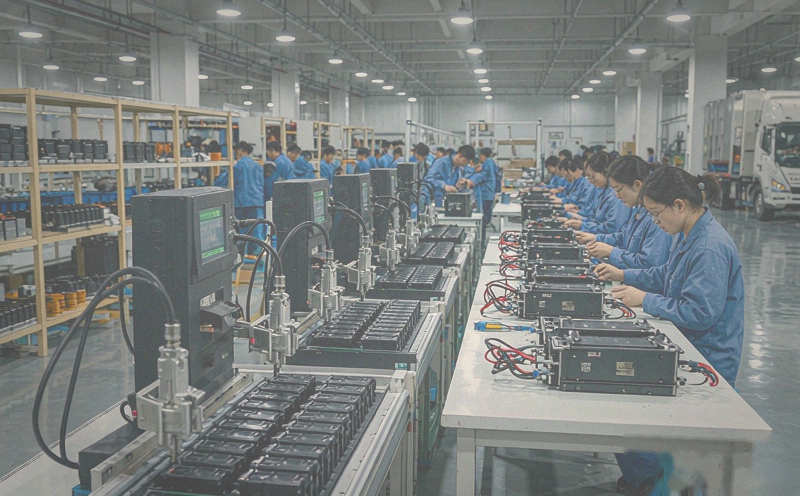
Understanding Li-ion chemistry is one thing; turning it into a pack that survives real-world cycling, temperature swings and vibration is another. As a professional lithium battery manufacturer, UFOPOWER takes the chemistry from the data sheet to the finished product: cell selection and matching, in-house pack assembly, integrated BMS configuration and 100% factory testing before shipment.
OEM / ODM and custom battery solutions — chemistry, voltage, capacity and pack geometry matched to your application
In-house production line and strict quality control across every build
Integrated BMS for safe charging, discharge protection and performance monitoring
Factory-direct service for brands, integrators and distributors
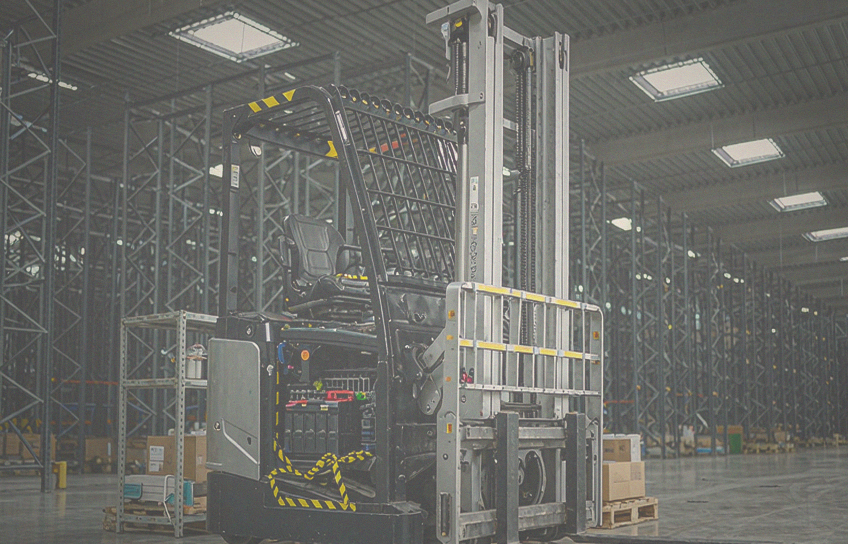
If your product needs a lithium battery designed around real load profiles — from power tools and AGVs to forklifts and energy storage — send us the specification and we will build it to spec.
© 2026 UFOPOWER. All rights reserved. | www.ufobattery.com 이메일: sales@ufo-battery.com UFOPOWER 배터리 | 맞춤형 배터리 솔루션
What is a lithium-ion battery and how does it work?
Why do lithium-ion batteries have such high energy density?
What are the main advantages of lithium-ion over lead-acid?
What cathode chemistries are used in lithium-ion batteries?
What are the main limitations of lithium-ion batteries?
Can UFOPOWER build custom lithium-ion battery packs?


 WhatsApp의
 EN
EN AR
AR DE
DE ES
ES FR
FR JP
JP KO
KO PT
PT RU
RU 홈 >
홈 >