Натриево-ионные батареи становятся важной альтернативной технологией аккумуляторов для промышленных, коммерческих, мобильных и энергетических приложений. В отличие от литий-ионных батарей, натрий-ионные батарейки используют натриевые ионы в качестве носителя заряда, предлагая потенциальный способ диверсификации цепочек поставок батарей, обеспечивая при этом высокую производительность в определенных рабочих средах.
Для компаний, ищущих производителя или поставщика натриево-ионных батарей, химия батарей является только одной частью решения. Качество ячейки, конструкция батареи, способность BMS, безопасность, настройка, тестирование, производственная мощность и опыт применения не менее важны. В качестве профессиональный производитель батареиUFOPOWER разрабатывает литиевые и натрий-ионные аккумуляторные решения для промышленных и коммерческих приложений, с индивидуальными конфигурациями аккумуляторных пакетов, доступными для проектов OEM.

Что такое натриево-ионная батарея?
Натриево-ионная батарея - это аккумулятор, который хранит и освобождает энергию через движение натриевых ионов между катодом и анодом во время зарядки и разрядки. Основный принцип работы похож на литий-ионную батарею. Основное отличие в том, что ионы используются для передачи заряда: литий-ионы в литий-ионных батареях и натриевые ионы в натрий-ионных батареях.
Типичная натриево-ионная батарея состоит из:
Различные натрий-ионные химии используют различные катодные и анодные материалы. Коммерческое развитие в настоящее время включает технологии на основе слоевых оксидов, прусского синего или прусского белого аналогов и полианионных соединений. Поскольку химия батареи и конструкция элемента непосредственно влияют на плотность энергии, срок службы цикла, производительность и стоимость при низких температурах, покупателям следует оценить полную систему батареи, а не выбирать поставщика только на основе термина & ldquo; натрий-ион. & rdquo;
Почему натриево-ионные батареи привлекают внимание?
1. Богатые ресурсы натрия
Натрий широко доступен по сравнению с литием, что делает технологию натрий-ионов привлекательной для компаний, стремящихся диверсифицировать цепочки поставок сырья для батарей. Натриево-ионные батареи не требуют лития. Однако точные требования к критическим минералам зависят от используемой катодной химии, поэтому технология натрий-ионов не должна автоматически описываться как полностью свободная от критических минералов. МЭА отмечает, что некоторые коммерчески значимые натрий-ионные химические вещества по-прежнему могут использовать такие материалы, как никель и марганц.
2. Сильная низкотемпературная производительность
Одним из наиболее интересных преимуществ натриево-ионных батарей является их потенциальная производительность в холодных условиях. По данным МЭА, последнее поколение натриево-ионных батарей может сохранять около 90% номинальной мощности при температурах до -40°C. градус; C и может работать при температурах до около 70& градус; С. Фактическая производительность зависит от химии клеток, конструкции батареи, теплового управления и рабочих условий. Это делает технологию натрий-ионов особенно интересной для применений, где низкотемпературная производительность является важным требованием.
3. Снижение зависимости от лития
Натриево-ионная технология может помочь диверсифицировать цепочки поставок аккумуляторов, уменьшая зависимость от лития. Это не означает, что натрий-ионные батареи немедленно заменят литий-ионные батареи. Вместо этого обе технологии могут служить различным приложениям в зависимости от плотности энергии, стоимости, температуры, требований цикла и конструкции системы.
4. Потенциальные преимущества затрат
Натриево-ионные батареи привлекли внимание из-за своих потенциальных преимуществ в плане стоимости, поскольку натрий в изобилии и химия не требует лития. Однако стоимость батареи зависит от многих факторов, включая катодную химию, цены на сырье, масштаб производства, эффективность производства и зрелость цепочки поставок. Поэтому профессиональный поставщик батарей должен оценить общую стоимость системы, а не просто утверждать, что натрий-ионные батареи всегда дешевле, чем литий-ионные батареи.
Натриево-ионная батарея против LiFePO4: практическое сравнение
Натриево-ионные и LiFePO4 батареи не являются прямыми заменителями для каждого приложения. Лучший выбор зависит от конкретных эксплуатационных требований. В таблице ниже сравниваются два химических фактора, которые наиболее важны для покупателей B2B:
| Фактор | Натриево-ионная батарея | Батарея LiFePO4 |
|---|
| Перевозчик заряда | Ионы натрия | Литиевые ионы |
| Плотность энергии | В целом ниже | В целом выше |
| Низкотемпературная производительность | Сильное потенциальное преимущество | Зависит от приложения |
| Термическая стабильность | Химия и дизайн зависят | В целом сильный |
| Supply Chain | Uses sodium and other chemistry-specific materials | Uses lithium-based materials |
| Technology Maturity | Emerging and scaling | Highly mature |
| Industrial Applications | Selected applications | Very broad |
| Energy Storage | Promising | Widely established |
| OEM Customization | Available depending on manufacturer | Widely available |
The IEA reports that current sodium-ion cells can reach up to around 175 Wh/kg, compared with up to around 205 Wh/kg for the latest LFP cells. This energy-density gap remains an important consideration when space and weight are critical. Therefore, the question should not simply be: “Is sodium-ion better than LiFePO4?” A more useful question is: “Which battery chemistry is better suited to my application?”
What Are Sodium-Ion Batteries Used For?
Sodium-ion technology is particularly interesting for applications where energy density is not the only performance priority. Potential applications include:
Energy Storage
Stationary energy storage is one of the major areas being developed for sodium-ion batteries. Sodium-ion technology can be attractive where weight and volume are less restrictive and supply-chain diversification or temperature performance is important. The IEA expects sodium-ion batteries to play a growing role in battery storage, although lithium-ion technologies remain dominant.
Industrial Equipment
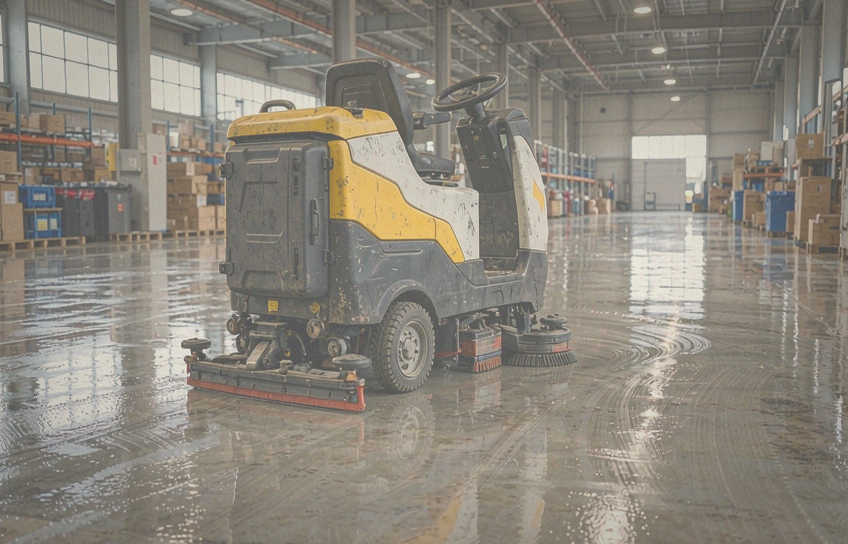
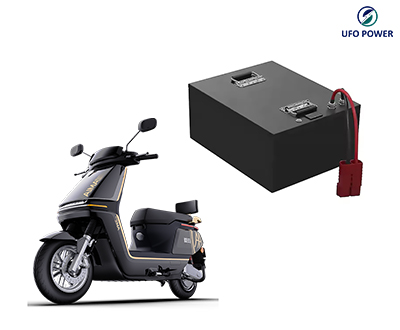
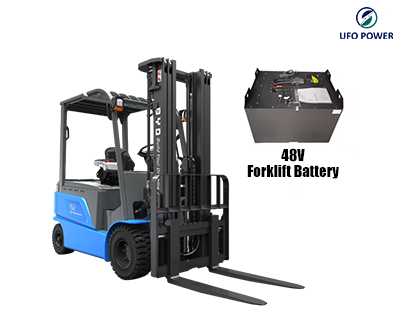
Industrial equipment can benefit from battery technologies that provide reliable power, long operating life and suitable performance under challenging environmental conditions. Potential applications include industrial equipment, material handling equipment, backup power systems, commercial equipment, low-temperature applications and specialty electric vehicles.
Commercial Vehicles and Mobility
Sodium-ion batteries are also being developed for selected mobility applications. The IEA identifies small-range electric vehicles, light commercial vehicles operating in urban environments, two- and three-wheelers and certain industrial equipment among potential applications.
How to Choose a Sodium-Ion Battery Manufacturer
Choosing the right sodium-ion battery supplier requires more than comparing prices. For OEMs, distributors and industrial equipment manufacturers, we recommend evaluating at least the following factors.
1. Cell Quality and Consistency
The battery pack is only as reliable as its cells. Ask potential suppliers about cell manufacturer, cell chemistry, nominal voltage, capacity, energy density, cycle-life testing, cell consistency and batch traceability. A professional supplier should be able to provide clear technical specifications and quality-control information.
2. BMS Capability
The battery management system is critical to battery safety and performance. A suitable BMS may provide overcharge protection, over-discharge protection, overcurrent protection, short-circuit protection, temperature monitoring, cell balancing, state-of-charge monitoring and communication functions. For OEM applications, BMS parameters and communication protocols may also need to be customized to match the equipment controller.
3. Battery Customization
Industrial customers rarely need a completely standard battery. Depending on the application, OEM customers may require customization of voltage, capacity, battery dimensions, connector, terminal configuration, enclosure, BMS, communication protocol, mounting structure and charging requirements. A sodium-ion battery manufacturer with strong engineering capabilities can provide more value than a supplier that only sells standard battery packs.
4. Testing and Quality Control
Before choosing a supplier, ask how the battery is tested. A professional battery manufacturer should have quality-control procedures covering cell testing, capacity testing, charge and discharge testing, BMS testing, temperature testing, safety testing, end-of-line inspection and aging or performance verification. Certification requirements should also be evaluated according to the battery’s intended market and application.
5. Manufacturing and Supply Capability
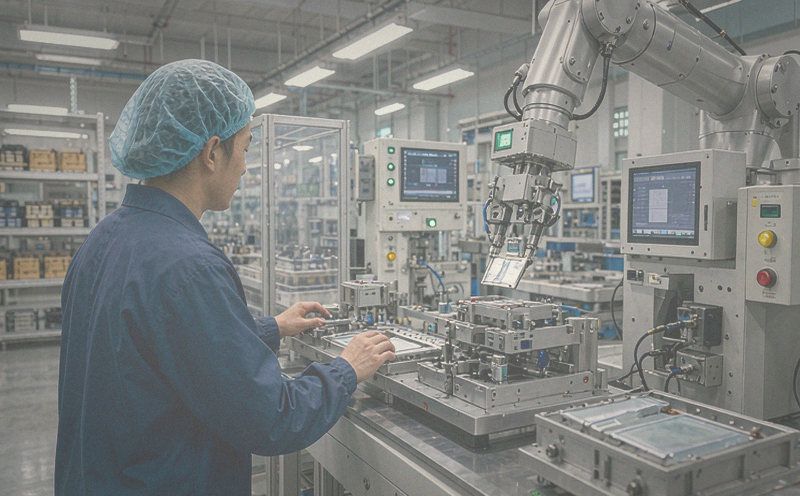
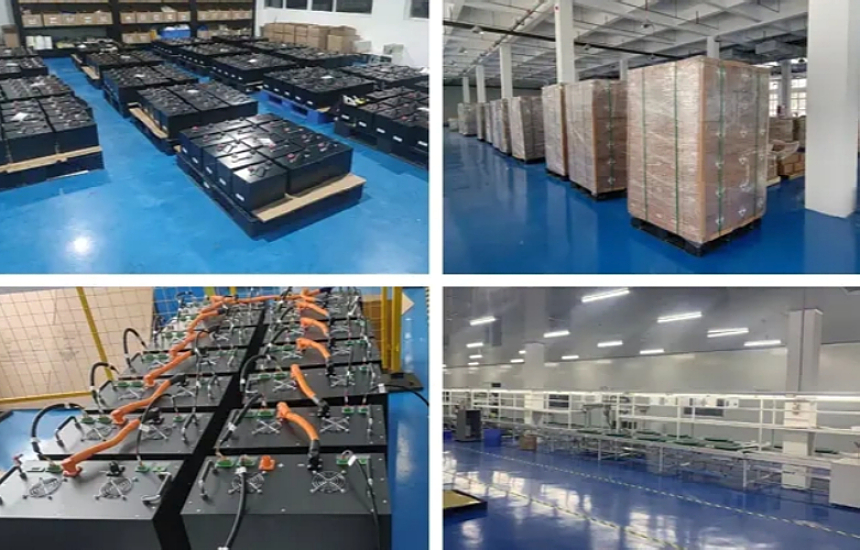
For distributors and OEM customers, production capability is an important consideration. Evaluate production capacity, manufacturing equipment, quality management system, lead time, batch consistency, OEM/ODM capability, export experience and after-sales technical support. A supplier should be capable of supporting both sample development and future volume production.
Why Choose UFOPOWER for Sodium-Ion Battery Solutions?
UFOPOWER is a professional battery manufacturer specializing in lithium battery solutions and developing advanced sodium-ion battery solutions for industrial and commercial applications. Our approach is focused on matching battery technology to the actual requirements of the equipment and application.
For OEM and B2B customers, UFOPOWER can support battery development around requirements such as voltage and capacity, battery dimensions, BMS configuration, electrical connections, communication requirements, charging requirements, application environment and mechanical integration. Rather than treating sodium-ion technology as a universal replacement for lithium-ion batteries, UFOPOWER evaluates the requirements of each application and helps customers select the appropriate battery chemistry and configuration — backed by in-house engineering, factory-direct production and OEM/ODM service.
What Makes a Good Sodium-Ion Battery Supplier?
There is no single battery supplier that is the best choice for every application. A reliable sodium-ion battery supplier should be able to demonstrate:
Consistent cell quality
Professional battery pack design
Reliable BMS integration
Application-specific customization
Quality-control and testing procedures
Relevant certifications
Stable production capability
OEM/ODM experience
Technical support
Clear communication and after-sales service
For OEM buyers, the ability to provide a complete battery solution is often more important than simply offering the lowest unit price.
Sodium-Ion Battery: What Is the Future?
Sodium-ion batteries are moving from research and early commercialization toward larger-scale deployment. The IEA describes 2026 as a potentially pivotal year for the technology’s scaling efforts, while also noting that LFP remains highly competitive because of its higher energy density, mature supply chain and cost advantages in many applications.
Recent industry developments also show that sodium-ion technology is moving into larger commercial applications. For example, CATL announced in June 2026 the commercial launch of its TENER sodium-ion energy storage system, while a May 2026 agreement between CATL and HyperStrong covered 60 GWh of sodium-ion battery supply for energy storage. This suggests that sodium-ion batteries should increasingly be viewed not simply as an experimental technology, but as an emerging battery chemistry with specific commercial advantages.
At the same time, lithium-ion and LiFePO4 batteries will remain important for applications where energy density, established supply chains and proven large-scale manufacturing are priorities. The future battery market is therefore likely to include multiple chemistries serving different applications rather than one chemistry replacing all others.
Conclusion
Sodium-ion batteries are becoming an increasingly important part of the global battery technology landscape. Their potential advantages in low-temperature performance, material availability and supply-chain diversification make them attractive for selected industrial, commercial, mobility and energy storage applications.
However, choosing the right sodium-ion battery is not simply a matter of choosing the newest battery chemistry. Buyers should evaluate cell quality, energy density, operating temperature, BMS design, safety, customization, testing and total cost according to the actual application. For OEMs, distributors and equipment manufacturers looking for a reliable sodium-ion battery manufacturer or supplier, UFOPOWER provides customized battery solutions backed by battery engineering and manufacturing capabilities.


 EN
EN AR
AR DE
DE ES
ES FR
FR JP
JP KO
KO PT
PT RU
RU Главная >
  Sep 02, 2026







 в WhatsApp