
 30 سبتمبر 2026
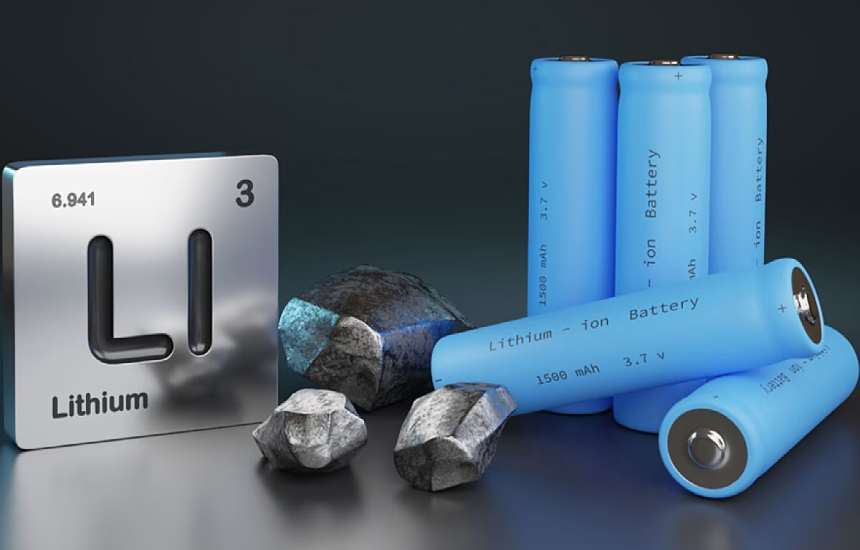
بطارية الليثيوم أيون هي البطارية التجارية القابلة لإعادة الشحن المهيمنة في عصرنا، تغذي كل شيء من الهواتف والحواسيب المحمولة إلى المركبات الكهربائية وتخزين الشبكة. ما هي بطارية الليثيوم أيون، وكيف تعمل في الواقع؟ الجواب يكمن في آلية أنيقة واحدة - أيونات الليثيوم التي تنتقل ذهابًا وإيابًا بين قطبين - مصحوبة بكثافة طاقة لا تضاهيها أي كيمياء رئيسية أخرى. كشركة متخصصة في تصنيع بطاريات الليثيوم، تقوم UFOPOWER بتصميم وبناء حزم الليثيوم وفقًا لهذه المبادئ بالضبط كل يوم.
البطارية القابلة للشحن ليست فكرة جديدة: أول كيمياء قابلة للشحن، حمض الرصاص، اخترعها في عام 1859 وما زالت تشغل محركات الاحتراق الداخلي حتى اليوم. البحث الذي يدعم بطارية الليثيوم أيون الحديثة نُشر في السبعينيات، ووصل أول خلية ليثيوم أيون تجارية إلى السوق في عام 1991. في عام 2019، حصل جون بي. جودينو، إم. ستانلي ويتينغهام، وأكيرا يوشينو على جائزة نوبل في الكيمياء لمساهماتهم في تطويرها.
اليوم، تعتبر بطاريات الليثيوم أيون الشكل التجاري السائد للبطاريات القابلة للشحن، وتستخدم على نطاق واسع في الإلكترونيات المحمولة والنقل الكهربائي. جزء من السبب هو الفيزياء البسيطة: الليثيوم لديه أصغر وزن ذري ونصف قطر بين العناصر باستثناء الهيدروجين والهيليوم، مما يسمح لخلايا الليثيوم أيون بتحقيق كثافة عالية جدًا. جهد وتخزين الشحنة لكل وحدة كتلة وكل وحدة حجم.
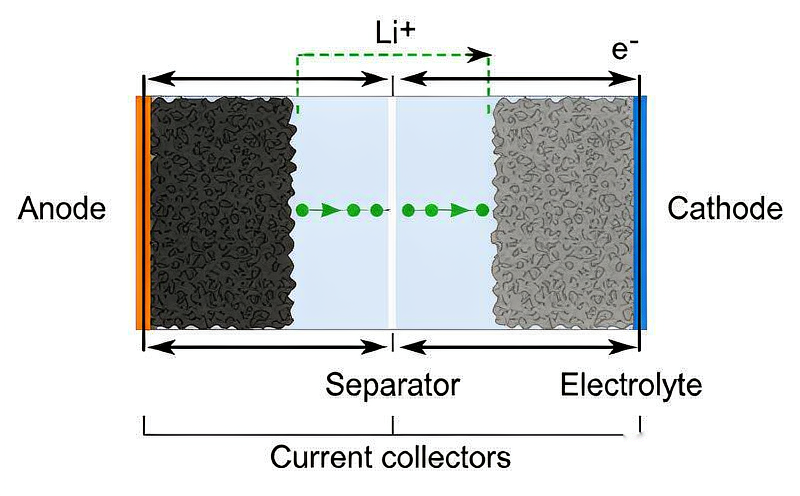
خلال دورة التفريغ، تتأين ذرات الليثيوم في الأنود وتنفصل عن إلكتروناتها. تنتقل أيونات الليثيوم من الأنود، وتمر عبر الإلكتروليت، وتقاطع فاصلًا شبه نافذًا حتى تصل إلى الكاثود، حيث تعود إلى إلكتروناتها وتتحول مرة أخرى إلى حالة محايدة كهربائيًا. شحن البطارية هو مجرد عكس هذه العملية، حيث يتم دفع الأيونات مرة أخرى إلى الأنود.
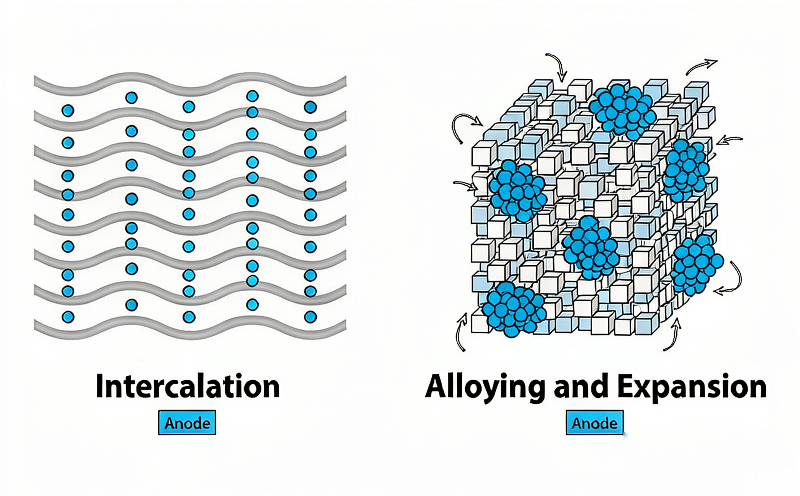
الطريقة التي يتم بها احتواء الليثيوم داخل أقطاب الجرافيت تسمى الإدراجتُدرج الأيونات فيزيائيًا بين الطبقات ثنائية الأبعاد من الجرافين التي تشكل الجرافيت الكتلي. نظرًا لأن الأيونات صغيرة نسبيًا مقارنة بنسيج الكربون الطبقي، فإن أقطاب الجرافيت لا تتعرض لتشوه فيزيائي أثناء الشحن أو التفريغ. ونظرًا لأن روابط الكربون-الكربون أقوى بكثير من التفاعلات الضعيفة بين أيونات الليثيوم والأقطاب، فإن تفاعل الإدراج قابل للعكس بشكل كبير - وهو بالضبط ما يجعل عمر الدورة الطويل ممكنًا.
مقارنة بطاريات الليثيوم أيون مع تقنيات الشحن القديمة عالية الجودة مثل نيكل-كادميوم ونيكل-метал-هيدريد وحمض الرصاص توضح سبب انتشار بطاريات الليثيوم أيون. الأرقام أدناه مأخوذة من أبحاث البطاريات المنشورة.
| مقياس | ليثيوم أيون | الرصاص الحمضي (مرجعي) |
|---|---|---|
| كثافة الطاقة | حتى ~330 واط/ساعة/كيلوغرام | ~75 Wh/kg |
| Cell voltage | Up to 3.6 V | Lower — Li-ion is 1.5–3× higher |
| التفريغ الذاتي | ~1.5–2% per month | أعلى |
| الصيانة | Comparatively low; no scheduled cycling needed | Requires more upkeep |
| Memory effect | None | Present in some older chemistries |
| Toxic metals | No lead or cadmium | Contains lead |
Li-ion batteries can use a number of different materials as electrodes, and the cathode choice defines how the cell performs. The most common combination is lithium cobalt oxide (LCO) as the cathode with graphite as the anode, used in commercial portable devices such as phones and laptops. Other common cathode materials include lithium manganese oxide (used in hybrid-electric and electric automobiles) and lithium iron phosphate. Li-ion cells typically use an ether-based organic electrolyte.
Highest energy density in class. Up to ~330 Wh/kg, versus roughly 75 Wh/kg for lead-acid — about four times the energy for the same mass.
High cell voltage. Up to 3.6 V per cell, 1.5–3× the voltage of alternatives, which suits high-power applications like transportation.
Low maintenance. No scheduled cycling required to maintain battery life.
No memory effect. Repeated partial charge/discharge cycles will not make the battery "remember" a lower capacity.
Low self-discharge. Around 1.5–2% per month.
No toxic lead or cadmium.
Li-ion's reach is enormous — it accounted for over 80% of the more than 190 gigawatt-hours of battery energy storage deployed globally through 2023. But a fully renewable grid demands far more than today's technology can deliver alone, and the gap is instructive for anyone specifying batteries.
Scale. More than 10 terawatt-hours of storage capacity would be needed — multiplying today's deployments by roughly 100, which stresses supply chains for rare materials such as lithium, nickel and cobalt.
Cost. Large-scale, long-duration storage needs costs well below $100/kWh — more than twice as cheap as today's state-of-the-art — plus more than 20 years of reliable service life.
Thermal and electrical management. Scaling conventional systems from kWh to MWh or GWh is a serious engineering challenge.
Duration. Storing 8 hours of national electricity implies terawatt-hours of batteries; seasonal storage implies petawatt-hours.
Battery research is pursuing several routes beyond conventional graphite anodes. Alloying anode materials such as silicon, germanium and antimony react with lithium ions to form alloys, which can store more capacity than graphite's intercalation. The trade-off is volume change: alloying materials swell and shrink more during cycling, which can deform the electrode and cause performance loss or failure — which is why researchers introduce nanostructures to reduce the stress and strain.
| Anode approach | Mechanism | Trade-off |
|---|---|---|
| Graphite (standard) | Intercalation of Li ions between graphene layers | Highly reversible, minimal volume change; lower capacity |
| Silicon / germanium / antimony | Reacts with Li ions to form alloys | Greater capacity, but larger volume change risks electrode damage |
| Lithium metal / lithium-sulfur | Higher theoretical energy density using abundant sulfur | Dendrite growth and limited cycle life remain unsolved |
Lithium-sulfur is attractive because sulfur is abundant and light, so Li-S batteries could be cheaper and lighter than Li-ion with graphite anodes — but achieving high energy density together with long cycle life remains a grand challenge. Lithium-based devices also often fail when metallic dendrites grow on the anode like tree roots cracking a sidewalk, which is why diagnostics, 3D electrode architectures and advanced imaging techniques are all active research areas for predicting and preventing degradation.
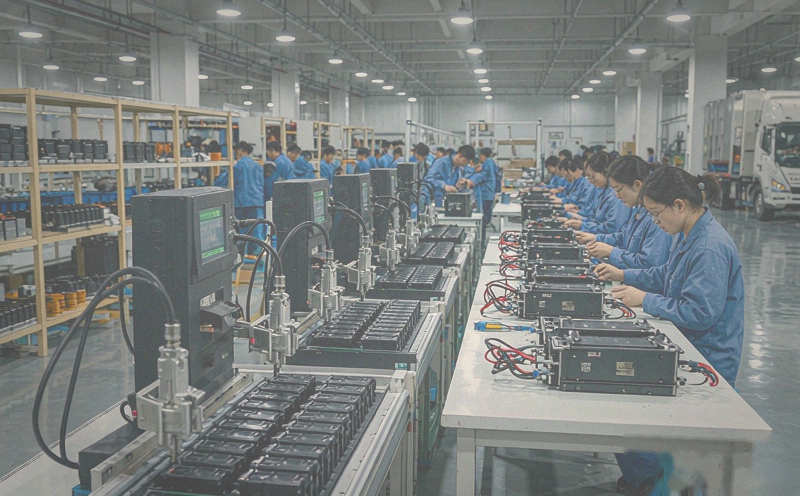
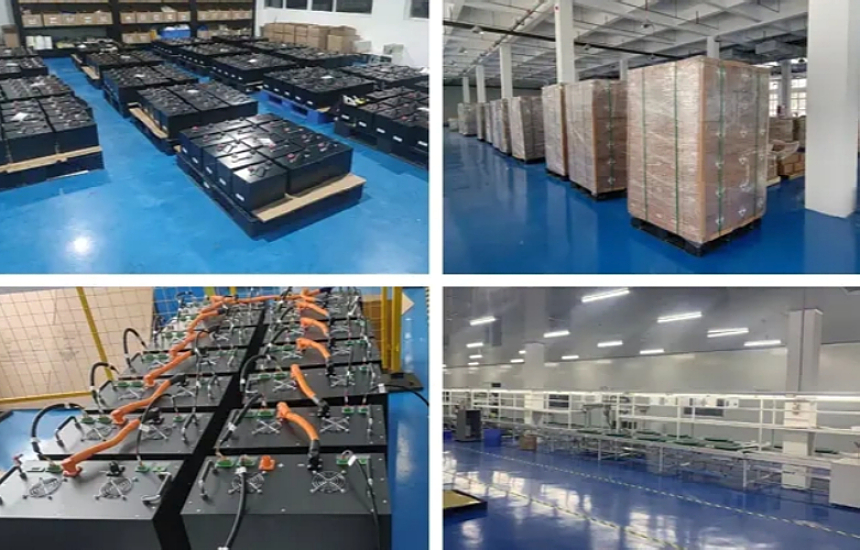
Understanding Li-ion chemistry is one thing; turning it into a pack that survives real-world cycling, temperature swings and vibration is another. As a professional lithium battery manufacturer, UFOPOWER takes the chemistry from the data sheet to the finished product: cell selection and matching, in-house pack assembly, integrated BMS configuration and 100% factory testing before shipment.
OEM / ODM and custom battery solutions — chemistry, voltage, capacity and pack geometry matched to your application
In-house production line and strict quality control across every build
Integrated BMS for safe charging, discharge protection and performance monitoring
Factory-direct service for brands, integrators and distributors
If your product needs a lithium battery designed around real load profiles — from power tools and AGVs to forklifts and energy storage — send us the specification and we will build it to spec.
© 2026 UFOPOWER. All rights reserved. | www.ufobattery.com البريد الإلكتروني: sales@ufo-battery.com بطاريات UFOPOWER | حلول بطاريات مخصصة
What is a lithium-ion battery and how does it work?
Why do lithium-ion batteries have such high energy density?
What are the main advantages of lithium-ion over lead-acid?
What cathode chemistries are used in lithium-ion batteries?
What are the main limitations of lithium-ion batteries?
Can UFOPOWER build custom lithium-ion battery packs?


 واتساب
 EN
EN AR
AR DE
DE ES
ES FR
FR JP
JP KO
KO PT
PT RU
RU الصفحة الرئيسية >