As baterias de íon-lítio são as baterias recarregáveis comerciais dominantes de nossos tempos, alimentando desde celulares e laptops a veículos elétricos e armazenamento de rede. Então O que é uma bateria de lítio e como ela funciona, de fato? A resposta se resume a um mecanismo elegante - íons de lítio que se movem de um eletrodo para o outro - combinado com uma densidade de energia que nenhuma outra química mainstream iguala. Como fabricante profissional de baterias de lítio, a UFOPOWER projeta e constrói packs de lítio baseados exatamente nestes princípios todos os dias.
O que é uma bateria de lítio?
A própria bateria recarregável não é uma ideia nova: a primeira química recarregável, o chumbo-ácido, foi inventada em 1859 e ainda hoje inicia motores de combustão interna. A pesquisa que fundamenta a bateria de íons de lítio moderna foi publicada na década de 1970 e a primeira célula comercial de Li-ion chegou ao mercado em 1991. Em 2019, John B. Goodenough, M. Stanley Whittingham e Akira Yoshino receberam o Prêmio Nobel de Química por suas contribuições para o seu desenvolvimento.
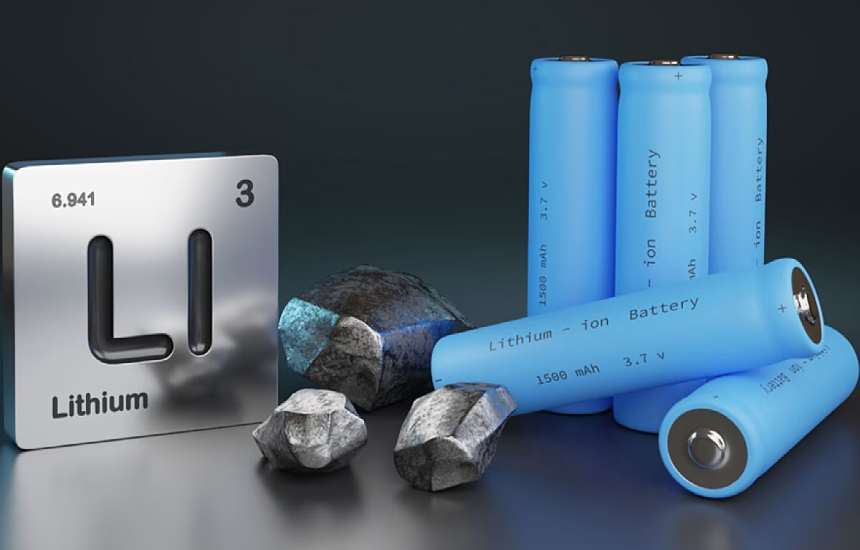
Hoje o Li-ion é a forma comercial predominante de bateria recarregável, amplamente utilizada em eletrônicos portáteis e transporte elétrico. Parte do motivo é simples física: o lítio tem o menor peso atômico e raio de qualquer elemento, exceto hidrogênio e hélio, o que permite que as células de Li-ion alcancem uma taxa muito alta tensão e armazenamento de carga por unidade de massa e por unidade de volume.
Como funciona uma bateria de lítio-ion
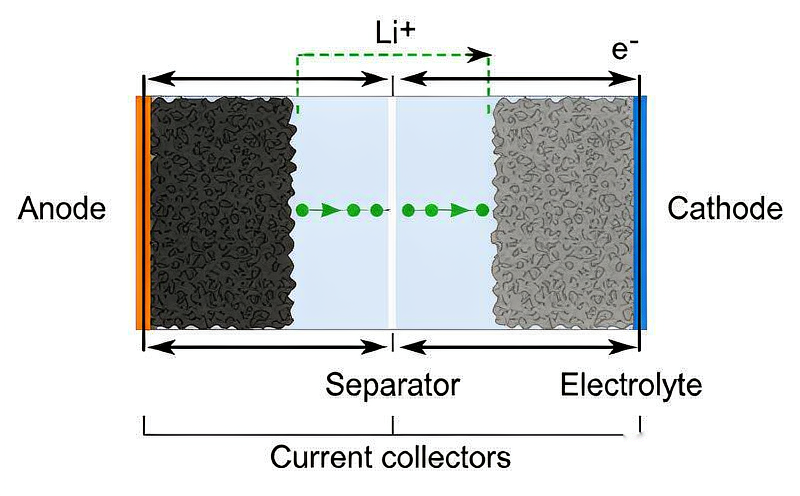
Durante um ciclo de descarga, os átomos de lítio no ânodo são ionizados e separados de seus elétrons. Os íons de lítio viajam do ânodo, atravessam o eletrólito e cruzam um separador micro-permeável até chegarem ao cátodo, onde se recombinam com seus elétrons e voltam a ser neutros eletricamente. A carga simplesmente inverte este processo, empurrando os íons de volta para o ânodo.
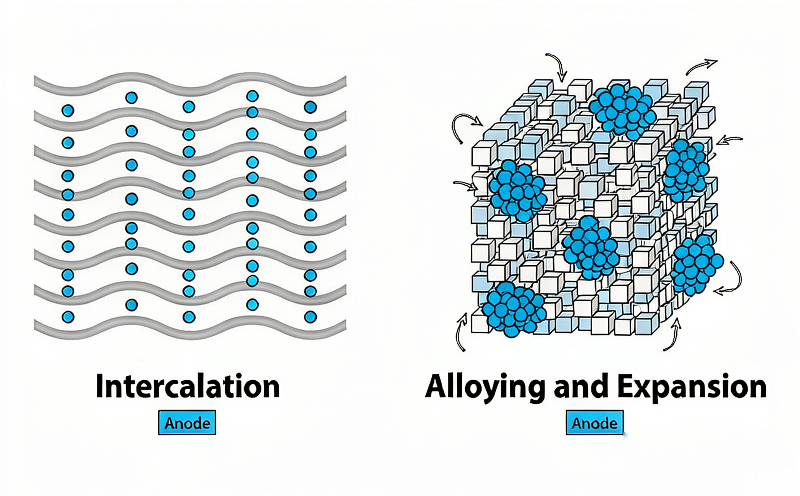
A forma como o lítio é mantido dentro de um ânodo de grafite é chamada intercalaçãoOs íons são fisicamente inseridos entre as camadas 2D de grafeno que compõem o grafite massivo. Como os íons são pequenos em relação à rede de carbono em camadas, os ânodos de grafite não são fisicamente distorcidos por carregamento ou descarga. E como os vínculos carbono-carbono são muito mais fortes do que as interações fracas entre os íons de lítio e o ânodo, a reação de inserção é altamente reversível — o que torna possível uma vida útil de ciclo longa.
Li-Ion vs. Chumbo-Ácido: Por Que a Química Venceu
Comparando o íon-lítio com as tecnologias mais antigas de baterias recarregáveis de alta qualidade - níquel-cádmio, níquel-metal-hidreto e ácido-chumbo - mostra porque o Li-ion tomou conta. Os números abaixo são de pesquisas publicadas sobre baterias.
| Metric | Lithium-ion | Chumbo-ácido (referência) |
|---|
| Densidade energética | Até ~330 Wh/kg | ~75 Wh/kg |
| Tensão da célula | Até 3,6 V | Lower — Li-ion é 1,5 a 3 vezes maior |
| Auto-descarga | ~1,5–2% ao mês | Mais alto |
| Manutenção | Comparativamente baixo; não é necessário ciclagem programada | Exige mais manutenção |
| Efeito da memória | Nenhum | Presente em algumas das químicas mais antigas |
| Toxic metals | No lead or cadmium | Contains lead |
Cathode Chemistries: LCO, LMO and LFP
Li-ion batteries can use a number of different materials as electrodes, and the cathode choice defines how the cell performs. The most common combination is lithium cobalt oxide (LCO) as the cathode with graphite as the anode, used in commercial portable devices such as phones and laptops. Other common cathode materials include lithium manganese oxide (used in hybrid-electric and electric automobiles) and lithium iron phosphate. Li-ion cells typically use an ether-based organic electrolyte.
Key Advantages of Li-Ion Batteries
Highest energy density in class. Up to ~330 Wh/kg, versus roughly 75 Wh/kg for lead-acid — about four times the energy for the same mass.
High cell voltage. Up to 3.6 V per cell, 1.5–3× the voltage of alternatives, which suits high-power applications like transportation.
Low maintenance. No scheduled cycling required to maintain battery life.
No memory effect. Repeated partial charge/discharge cycles will not make the battery "remember" a lower capacity.
Low self-discharge. Around 1.5–2% per month.
No toxic lead or cadmium.
The Limits: Where Li-Ion Still Falls Short
Li-ion's reach is enormous — it accounted for over 80% of the more than 190 gigawatt-hours of battery energy storage deployed globally through 2023. But a fully renewable grid demands far more than today's technology can deliver alone, and the gap is instructive for anyone specifying batteries.
Scale. More than 10 terawatt-hours of storage capacity would be needed — multiplying today's deployments by roughly 100, which stresses supply chains for rare materials such as lithium, nickel and cobalt.
Cost. Large-scale, long-duration storage needs costs well below $100/kWh — more than twice as cheap as today's state-of-the-art — plus more than 20 years of reliable service life.
Thermal and electrical management. Scaling conventional systems from kWh to MWh or GWh is a serious engineering challenge.
Duration. Storing 8 hours of national electricity implies terawatt-hours of batteries; seasonal storage implies petawatt-hours.
What Comes Next: Silicon, Lithium-Sulfur and 3D Electrodes
Battery research is pursuing several routes beyond conventional graphite anodes. Alloying anode materials such as silicon, germanium and antimony react with lithium ions to form alloys, which can store more capacity than graphite's intercalation. The trade-off is volume change: alloying materials swell and shrink more during cycling, which can deform the electrode and cause performance loss or failure — which is why researchers introduce nanostructures to reduce the stress and strain.
| Anode approach | Mechanism | Trade-off |
|---|
| Graphite (standard) | Intercalation of Li ions between graphene layers | Highly reversible, minimal volume change; lower capacity |
| Silicon / germanium / antimony | Reacts with Li ions to form alloys | Greater capacity, but larger volume change risks electrode damage |
| Lithium metal / lithium-sulfur | Higher theoretical energy density using abundant sulfur | Dendrite growth and limited cycle life remain unsolved |
Lithium-sulfur is attractive because sulfur is abundant and light, so Li-S batteries could be cheaper and lighter than Li-ion with graphite anodes — but achieving high energy density together with long cycle life remains a grand challenge. Lithium-based devices also often fail when metallic dendrites grow on the anode like tree roots cracking a sidewalk, which is why diagnostics, 3D electrode architectures and advanced imaging techniques are all active research areas for predicting and preventing degradation.
Turning Battery Chemistry Into a Working Pack
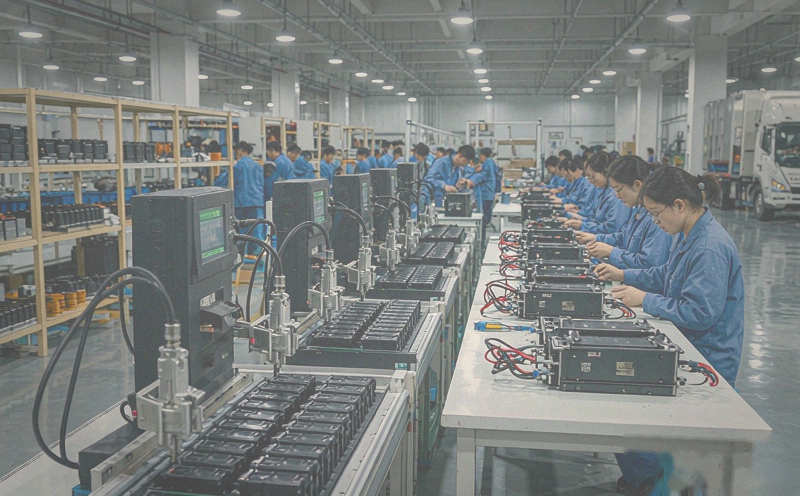
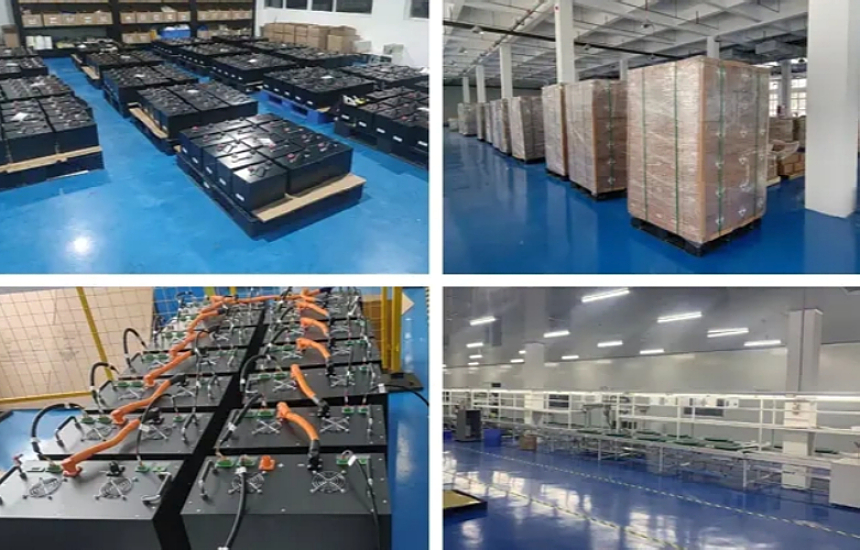
Understanding Li-ion chemistry is one thing; turning it into a pack that survives real-world cycling, temperature swings and vibration is another. As a professional lithium battery manufacturer, UFOPOWER takes the chemistry from the data sheet to the finished product: cell selection and matching, in-house pack assembly, integrated BMS configuration and 100% factory testing before shipment.
OEM / ODM and custom battery solutions — chemistry, voltage, capacity and pack geometry matched to your application
In-house production line and strict quality control across every build
Integrated BMS for safe charging, discharge protection and performance monitoring
Factory-direct service for brands, integrators and distributors
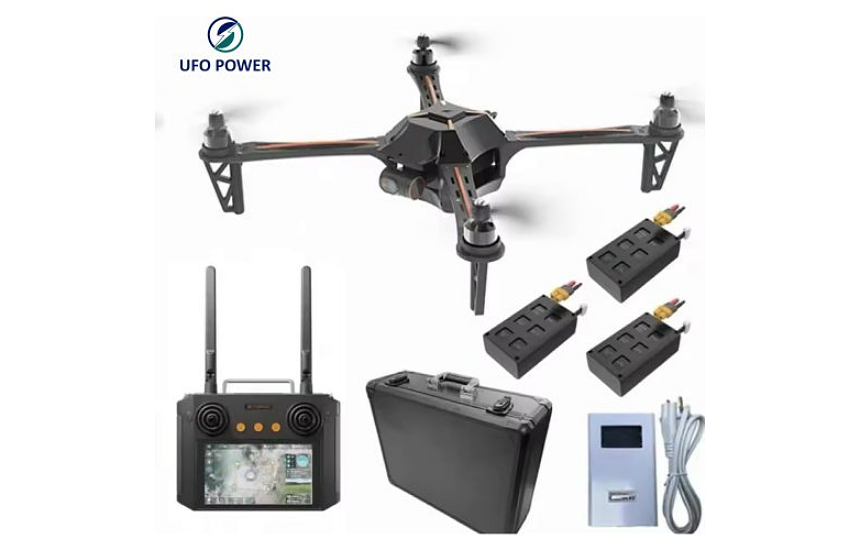
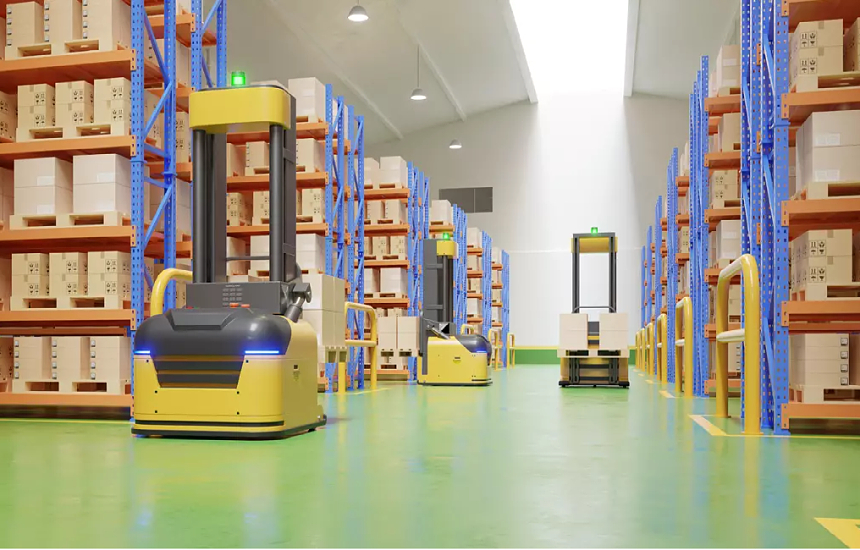
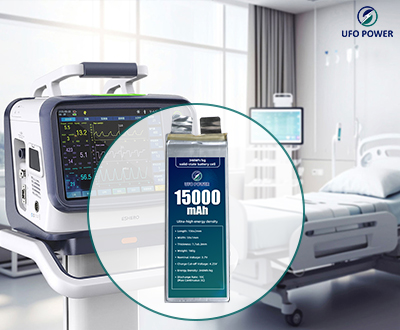
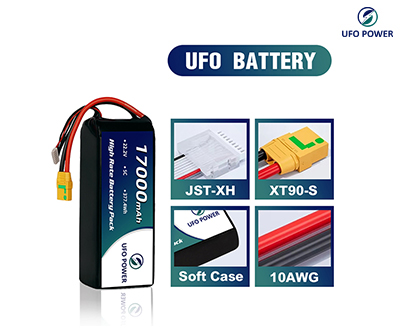
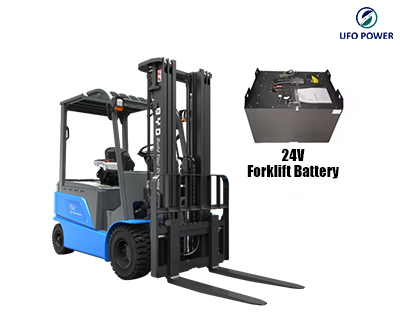
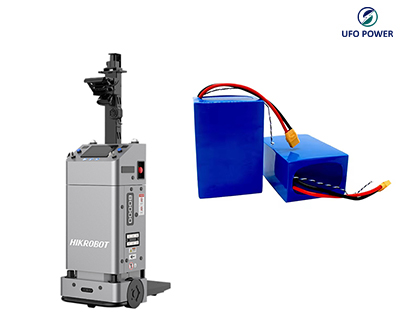
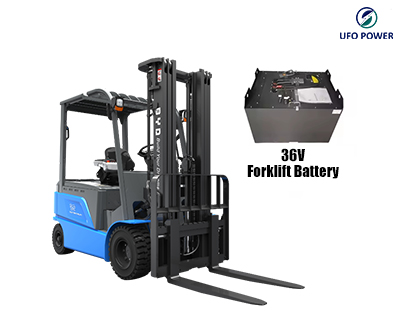
If your product needs a lithium battery designed around real load profiles — from power tools and AGVs to forklifts and energy storage — send us the specification and we will build it to spec.
© 2026 UFOPOWER. All rights reserved. | www.ufobattery.com| Email:sales@ufo-battery.com | Baterias UFOPOWER | Soluções de baterias personalizadas


 EN
EN AR
AR DE
DE ES
ES FR
FR JP
JP KO
KO PT
PT RU
RU Página inicial >
  Sep 30, 2026





 aplicativo WhatsApp