La batterie lithium-ion est la batterie rechargeable commerciale dominante de notre époque, alimentant tout, des téléphones et ordinateurs portables aux véhicules électriques et au stockage de réseau. Donc Qu'est-ce qu'une batterie lithium-ion et comment fonctionne-t-elle réellement ? La réponse se résume à un mécanisme élégant - les ions lithium se déplaçant d'un électrode à l'autre - combiné à une densité d'énergie que aucune autre chimie dominante ne peut égaler. En tant que fabricant professionnel de batteries lithium, UFOPOWER conçoit et construit quotidiennement des packs lithium basés sur exactement ces principes.
Qu'est-ce qu'une batterie lithium-ion ?
La batterie rechargeable en elle-même n'est pas une nouvelle idée : la première chimie rechargeable, l'acide au plomb, a été inventée en 1859 et démarre encore aujourd'hui les moteurs à combustion interne. Les recherches qui ont fondé la batterie lithium-ion moderne ont été publiées dans les années 1970, et la première cellule lithium-ion commerciale est apparue sur le marché en 1991. En 2019, John B. Goodenough, M. Stanley Whittingham et Akira Yoshino ont reçu le prix Nobel de chimie pour leurs contributions au développement de cette technologie.
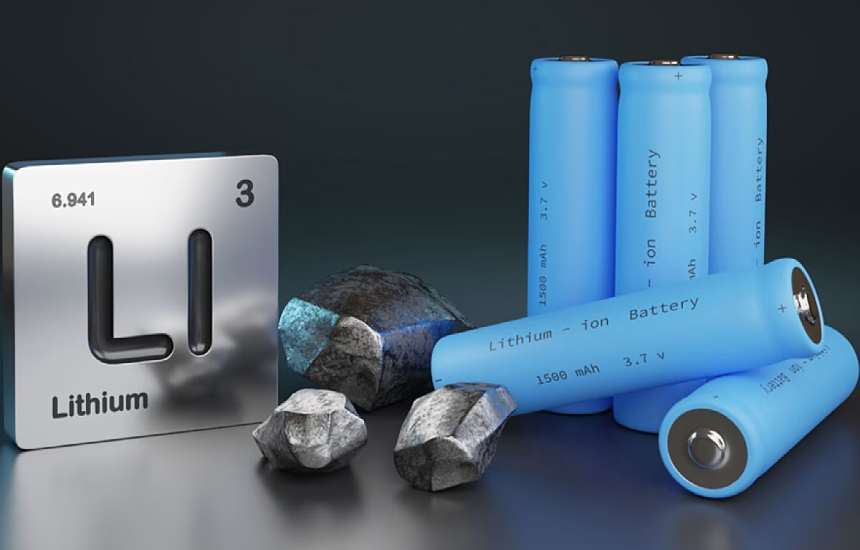
Aujourd'hui, la batterie Li-ion est la forme commerciale prédominante des batteries rechargeables, largement utilisée dans les appareils électroniques portables et les transports électrifiés. Partie de la raison est une simple physique : le lithium a le poids atomique et le rayon atomique les plus petits de tous les éléments, à l'exception de l'hydrogène et de l'hélium, ce qui permet aux cellules Li-ion d'atteindre une très haute tension et stockage de charge par unité de masse et par unité de volume.
Comment fonctionne une batterie au lithium-ion
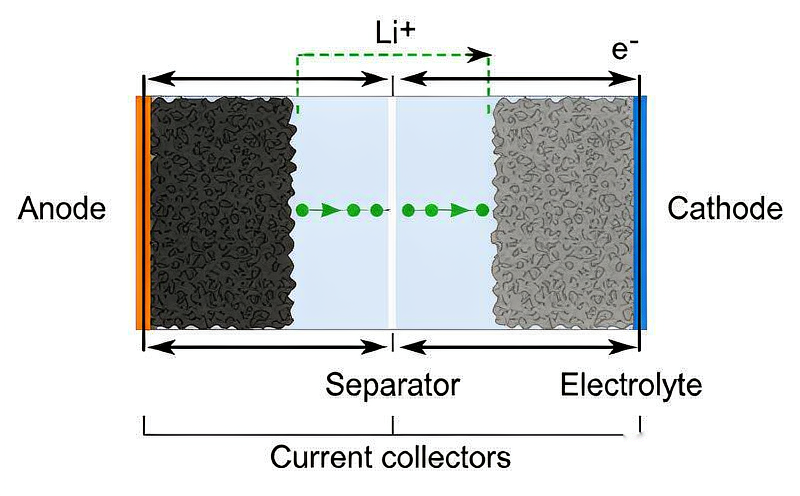
Pendant un cycle de décharge, les atomes de lithium dans l'anode sont ionisés et séparés de leurs électrons. Les ions lithium voyagent depuis l'anode, traversent l'électrolyte et passent à travers un séparateur micro-perméable jusqu'à ce qu'ils atteignent la cathode, où ils se recombinent avec leurs électrons et deviennent électriquement neutres à nouveau. La charge inverse simplement ce processus, poussant les ions de retour vers l'anode.
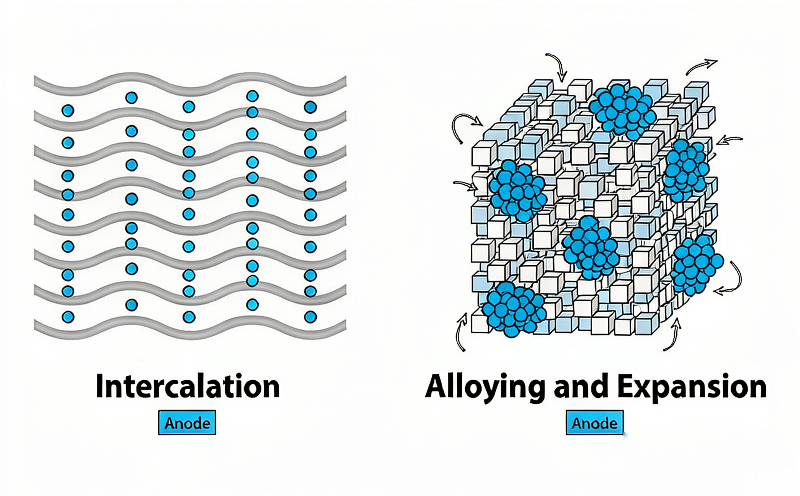
La manière dont le lithium est retenu à l'intérieur d'une anode en graphite est appelée intercalationLes ions sont physiquement insérés entre les couches bidimensionnelles de graphène qui constituent le graphite massif. Comme les ions sont relativement petits par rapport au réseau carboné stratifié, les anodes en graphite ne sont pas physiquement déformées par la charge ou la décharge. Et comme les liaisons carbone-carbone sont bien plus fortes que les interactions faibles entre les ions lithium et l'anode, la réaction d'insertion est hautement réversible — ce qui rend précisément possible une longue durée de vie en cycles.
Li-Ion vs. Plomb-Acide : Pourquoi la Chimie a Triomphé
Comparer les batteries lithium-ion avec les technologies rechargeables de qualité plus anciennes — nickel-cadmium, nickel-hydrure métallique et plomb-acide — montre pourquoi les lithium-ion ont pris le dessus. Les chiffres ci-dessous proviennent de recherches sur les batteries publiées.
| Métrique | Lithium-ion | Plomb-acide (référence) |
|---|
| Densité énergétique | Jusqu'à ~330 Wh/kg | ~75 Wh/kg |
| Tension de la cellule | Jusqu'à 3,6 V | Inférieur — Li-ion est 1,5 à 3 fois plus élevé |
| Autodécharge | ~1,5 à 2 % par mois | Plus haut |
| Entretien | Comparativement bas ; pas besoin de cyclage planifié | Exige plus d'entretien |
| Effet de mémoire | Aucun | Présent dans certaines anciennes technologies chimiques |
| Toxic metals | No lead or cadmium | Contains lead |
Cathode Chemistries: LCO, LMO and LFP
Li-ion batteries can use a number of different materials as electrodes, and the cathode choice defines how the cell performs. The most common combination is lithium cobalt oxide (LCO) as the cathode with graphite as the anode, used in commercial portable devices such as phones and laptops. Other common cathode materials include lithium manganese oxide (used in hybrid-electric and electric automobiles) and lithium iron phosphate. Li-ion cells typically use an ether-based organic electrolyte.
Key Advantages of Li-Ion Batteries
Highest energy density in class. Up to ~330 Wh/kg, versus roughly 75 Wh/kg for lead-acid — about four times the energy for the same mass.
High cell voltage. Up to 3.6 V per cell, 1.5–3× the voltage of alternatives, which suits high-power applications like transportation.
Low maintenance. No scheduled cycling required to maintain battery life.
No memory effect. Repeated partial charge/discharge cycles will not make the battery "remember" a lower capacity.
Low self-discharge. Around 1.5–2% per month.
No toxic lead or cadmium.
The Limits: Where Li-Ion Still Falls Short
Li-ion's reach is enormous — it accounted for over 80% of the more than 190 gigawatt-hours of battery energy storage deployed globally through 2023. But a fully renewable grid demands far more than today's technology can deliver alone, and the gap is instructive for anyone specifying batteries.
Scale. More than 10 terawatt-hours of storage capacity would be needed — multiplying today's deployments by roughly 100, which stresses supply chains for rare materials such as lithium, nickel and cobalt.
Cost. Large-scale, long-duration storage needs costs well below $100/kWh — more than twice as cheap as today's state-of-the-art — plus more than 20 years of reliable service life.
Thermal and electrical management. Scaling conventional systems from kWh to MWh or GWh is a serious engineering challenge.
Duration. Storing 8 hours of national electricity implies terawatt-hours of batteries; seasonal storage implies petawatt-hours.
What Comes Next: Silicon, Lithium-Sulfur and 3D Electrodes
Battery research is pursuing several routes beyond conventional graphite anodes. Alloying anode materials such as silicon, germanium and antimony react with lithium ions to form alloys, which can store more capacity than graphite's intercalation. The trade-off is volume change: alloying materials swell and shrink more during cycling, which can deform the electrode and cause performance loss or failure — which is why researchers introduce nanostructures to reduce the stress and strain.
| Anode approach | Mechanism | Trade-off |
|---|
| Graphite (standard) | Intercalation of Li ions between graphene layers | Highly reversible, minimal volume change; lower capacity |
| Silicon / germanium / antimony | Reacts with Li ions to form alloys | Greater capacity, but larger volume change risks electrode damage |
| Lithium metal / lithium-sulfur | Higher theoretical energy density using abundant sulfur | Dendrite growth and limited cycle life remain unsolved |
Lithium-sulfur is attractive because sulfur is abundant and light, so Li-S batteries could be cheaper and lighter than Li-ion with graphite anodes — but achieving high energy density together with long cycle life remains a grand challenge. Lithium-based devices also often fail when metallic dendrites grow on the anode like tree roots cracking a sidewalk, which is why diagnostics, 3D electrode architectures and advanced imaging techniques are all active research areas for predicting and preventing degradation.
Turning Battery Chemistry Into a Working Pack
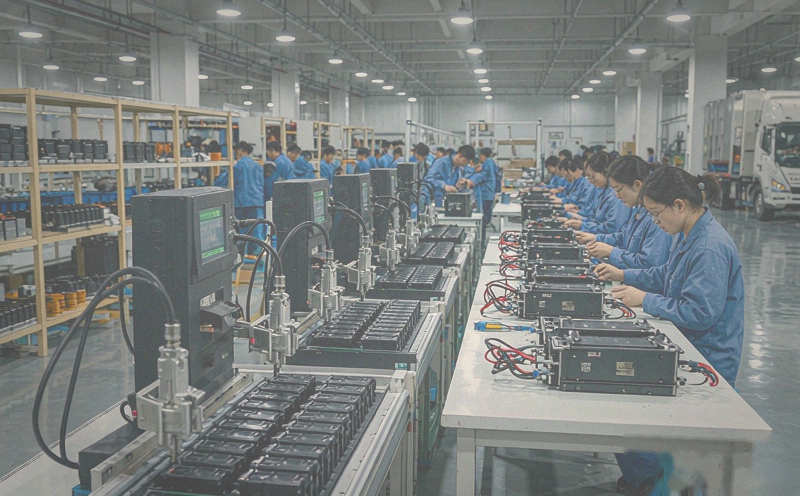
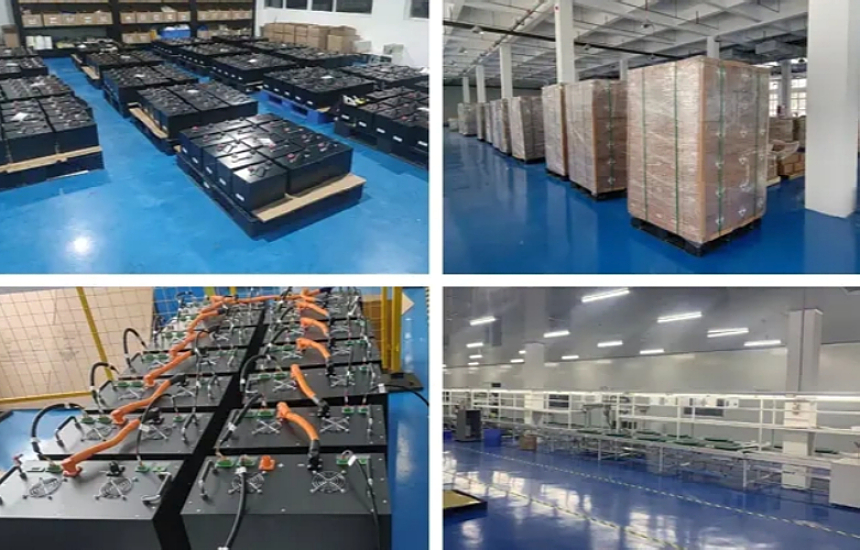
Understanding Li-ion chemistry is one thing; turning it into a pack that survives real-world cycling, temperature swings and vibration is another. As a professional lithium battery manufacturer, UFOPOWER takes the chemistry from the data sheet to the finished product: cell selection and matching, in-house pack assembly, integrated BMS configuration and 100% factory testing before shipment.
OEM / ODM and custom battery solutions — chemistry, voltage, capacity and pack geometry matched to your application
In-house production line and strict quality control across every build
Integrated BMS for safe charging, discharge protection and performance monitoring
Factory-direct service for brands, integrators and distributors
If your product needs a lithium battery designed around real load profiles — from power tools and AGVs to forklifts and energy storage — send us the specification and we will build it to spec.
© 2026 UFOPOWER. All rights reserved. | www.ufobattery.com | Email : sales@ufo-battery.com Batteries UFOPOWER | Solutions de batteries sur mesure


 EN
EN AR
AR DE
DE ES
ES FR
FR JP
JP KO
KO PT
PT RU
RU Accueil >
  30 sept. 2026







 sur WhatsApp