
 Sep 02, 2026
나트리ום 이온 배터리는 산업, 상업, 이동성 및 에너지 저장 응용 프로그램에 대한 중요한 대체 배터리 기술으로 등장하고 있습니다.리리리리리리리리리리리리리리리리리리리리리리리리리리리리리리리리리리리리리리리리리리리리리리리리리리리리리리리리리리리리리리리리리리리리리리리리리리리리리리리
나트리ום 이온 배터리 제조업체 또는 공급 업체를 찾는 기업에게는 배터리 화학은 결정의 한 부분일 뿐입니다.세포 품질, 배터리 설계, BMS 기능, 안전, 사용자 정의, 테스트, 생산 용량 및 응용 경험은 동등히 중요합니다.A 로 전문 배터리 제조업체UFOPOWER은 OEM 프로젝트에 사용할 수 있는 맞춤형 배터리 팩 구성을 통해 산업 및 상업용 응용 프로그램을 위한 리UF OEM 배터리 및 나트리ום 이온 배터리 솔루션을 개발합니다.

나트리움 이온 배터리는 충전 및 방전 중에 양극과 양극 사이의 나트리움 이온의 움직임을 통해 에너지를 저장하고 방출하는 재충전식 배터리입니다.기본적인 작동 원리는 리기기엄 이온 배터리와 비슷합니다.주요 차이점은 충전을 전달하는 데 사용되는 이온입니다: 리리리리리주주주리주주주요 차이점은 리주주주임 이온 배터리의 리주주주임주임 이온과 나트리움 이온 배터리의 나트리움 이온과 나
전형적인 나트리ום 이온 배터리는 다음과 같이 구성되어 있습니다.
Cathode는
양극
전해질
분리기
현재 수집자
배터리 관리 시스템 (BMS)
배터리 팩 인클로저 및 전기 연결
다양한 나트리ום 이온 화학은 다양한 양극 및 양극 재료를 사용합니다.상업적 개발은 현재 계층화된 산화물, 프루시아 파란색 또는 프루시아 백색 아날로그 및 폴리아니온 화합물을 기반으로 한 기술을 포함합니다.배터리 화학 및 세포 설계는 에너지 밀도, 주기 수명, 저온 성능 및 비용에 직접적인 영향을 미치기 때문에 구매자는 단지 용어 & 에 따라 공급자를 선택하는 대신 전체 배터리 시스템을 평가해야합니다.ldquo는;나트리ום 이온. & amp;rdquo는
나트리움은 리리리리나나트리움과 비교하여 널리 사용할 수 있으므로 나트리움 이온 기술은 배터리 원료 공급망을 다양화시키고 싶은 회사들에게 매력적입니다.나트리ום 이온 배터리는 리나나륨이 필요하지 않습니다.그러나 정확한 중요한 광물 요구 사항은 사용되는 음극 화학에 달려 있으므로 나트리ום 이온 기술은 중요한 광물에서 완전히 무료로 자동으로 설명되어서는 안됩니다.IEA는 일부 상업적으로 관련된 나트리ום 이온 화학물질은 여전히 니이이이클과 이이이온과 같은 재료를 사용할 수 있다고 지적합니다.
나트리ום 이온 배터리의 가장 흥미로운 장점 중 하나는 차가운 환경에서 잠재적 인 성능입니다.IEA에 따르면 최신 세대의 나트리ום 이온 배터리는 -40&까지 낮은 온도에서 명목적 용량의 약 90%를 유지할 수 있습니다.deg;C 및 70&까지의 온도에서 작동할 수 있습니다;deg;C. 실제 성능은 세포 화학, 배터리 설계, 열 관리 및 작동 조건에 달려 있습니다.이것은 낮은 온도 성능이 중요한 요구 사항인 응용 프로그램에서 나트리ום 이온 기술을 특히 흥미롭게 만듭니다.
나트리움 이온 기술은 리리리리리나나나나나트리움에 대한 의존성을 줄이면서 배터리 공급망을 다양화시킬 수 있습니다.이것은 나트리움 이온 배터리가 즉시 리이이리엄 이온 배터리를 대체할 것을 의미하지는 않습니다.대신 두 기술은 에너지 밀도, 비용, 온도, 주기 요구 사항 및 시스템 설계에 따라 다양한 응용 프로그램을 제공 할 수 있습니다.
나트리움 이온 배터리는 나트리움이 풍부하고 화학은 리나나나륨이 필요하지 않기 때문에 잠재적 인 비용 이점에 관심을 끌었습니다.그러나 배터리 비용은 양극 화학, 원료 가격, 생산 규모, 제조 효율성 및 공급망 성숙성을 포함한 많은 요인에 달려 있습니다.따라서 전문 배터리 공급 업체는 단순히 나트리ום 이온 배터리가 항상 리전전يوم 이온 배터리보다 저렴하다고 주장하는 대신 전체 시스템 비용을 평가해야합니다.
나트리ום 이온 및 LiFePO4 배터리는 모든 응용 프로그램에 대한 직접적인 대체가 아닙니다.더 나은 선택은 특정 운영 요구 사항에 따라 달라집니다.아래 테이블은 B2B 구매자에게 가장 중요한 요인에 따라 두 가지 화학 분야를 비교합니다.
| 인자 | 나트리ום 이온 배터리 | LiFePO4 건전지 |
|---|---|---|
| 충전 캐리어 | 나트륨 이온 | 리리리리리리리리리리리리리리리리리륨 이온 |
| 에너지 밀도 | 일반적으로 낮은 | 일반적으로 더 높은 |
| 저온 성능 | 강한 잠재적 이점 | 응용 프로그램에 따라 |
| 열 안정성 | 화학 및 디자인 의존 | Generally strong |
| Supply Chain | Uses sodium and other chemistry-specific materials | Uses lithium-based materials |
| Technology Maturity | Emerging and scaling | Highly mature |
| Industrial Applications | Selected applications | Very broad |
| Energy Storage | Promising | Widely established |
| OEM Customization | Available depending on manufacturer | Widely available |
The IEA reports that current sodium-ion cells can reach up to around 175 Wh/kg, compared with up to around 205 Wh/kg for the latest LFP cells. This energy-density gap remains an important consideration when space and weight are critical. Therefore, the question should not simply be: “Is sodium-ion better than LiFePO4?” A more useful question is: “Which battery chemistry is better suited to my application?”
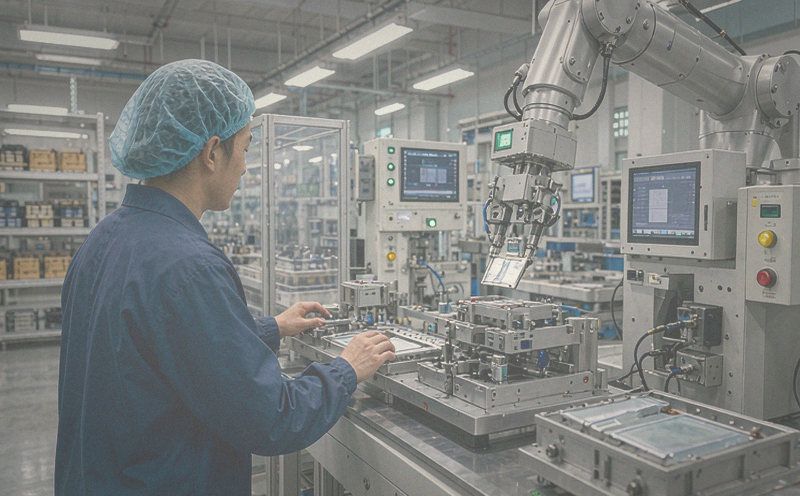
Sodium-ion technology is particularly interesting for applications where energy density is not the only performance priority. Potential applications include:
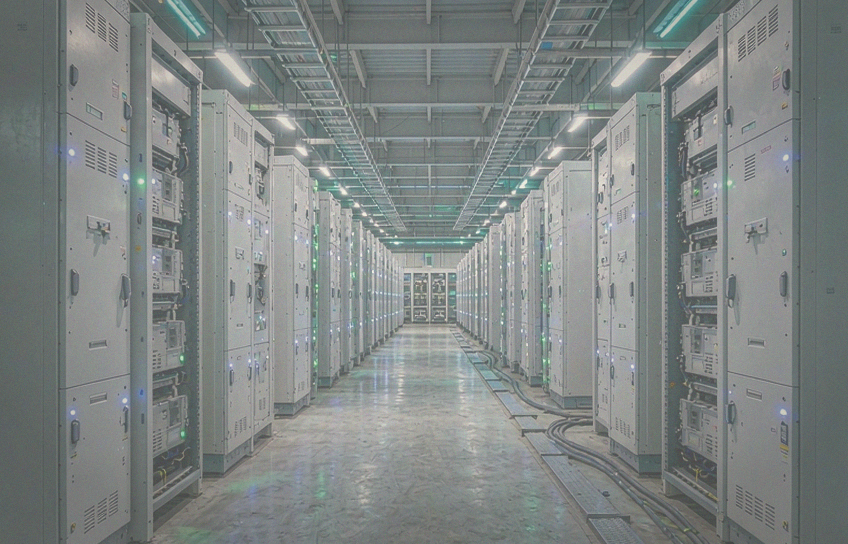
Stationary energy storage is one of the major areas being developed for sodium-ion batteries. Sodium-ion technology can be attractive where weight and volume are less restrictive and supply-chain diversification or temperature performance is important. The IEA expects sodium-ion batteries to play a growing role in battery storage, although lithium-ion technologies remain dominant.
Industrial equipment can benefit from battery technologies that provide reliable power, long operating life and suitable performance under challenging environmental conditions. Potential applications include industrial equipment, material handling equipment, backup power systems, commercial equipment, low-temperature applications and specialty electric vehicles.
Sodium-ion batteries are also being developed for selected mobility applications. The IEA identifies small-range electric vehicles, light commercial vehicles operating in urban environments, two- and three-wheelers and certain industrial equipment among potential applications.
Choosing the right sodium-ion battery supplier requires more than comparing prices. For OEMs, distributors and industrial equipment manufacturers, we recommend evaluating at least the following factors.
The battery pack is only as reliable as its cells. Ask potential suppliers about cell manufacturer, cell chemistry, nominal voltage, capacity, energy density, cycle-life testing, cell consistency and batch traceability. A professional supplier should be able to provide clear technical specifications and quality-control information.
The battery management system is critical to battery safety and performance. A suitable BMS may provide overcharge protection, over-discharge protection, overcurrent protection, short-circuit protection, temperature monitoring, cell balancing, state-of-charge monitoring and communication functions. For OEM applications, BMS parameters and communication protocols may also need to be customized to match the equipment controller.
Industrial customers rarely need a completely standard battery. Depending on the application, OEM customers may require customization of voltage, capacity, battery dimensions, connector, terminal configuration, enclosure, BMS, communication protocol, mounting structure and charging requirements. A sodium-ion battery manufacturer with strong engineering capabilities can provide more value than a supplier that only sells standard battery packs.
Before choosing a supplier, ask how the battery is tested. A professional battery manufacturer should have quality-control procedures covering cell testing, capacity testing, charge and discharge testing, BMS testing, temperature testing, safety testing, end-of-line inspection and aging or performance verification. Certification requirements should also be evaluated according to the battery’s intended market and application.
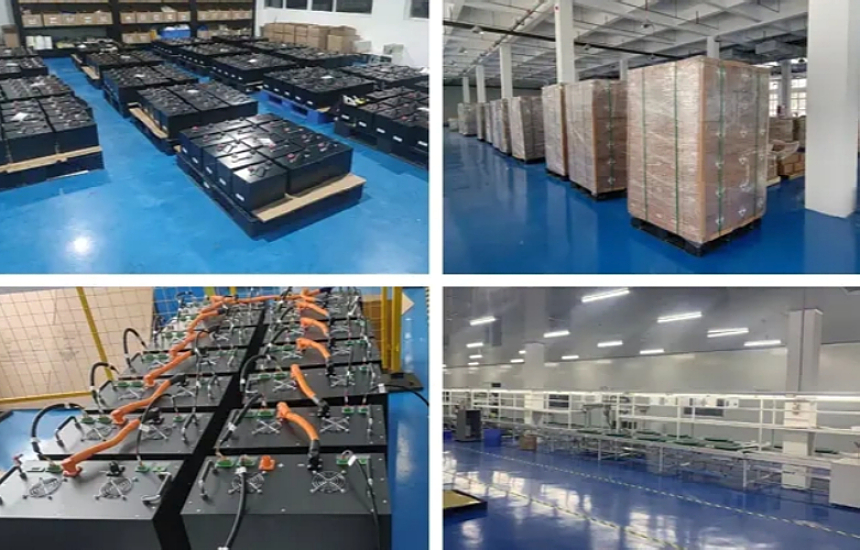
For distributors and OEM customers, production capability is an important consideration. Evaluate production capacity, manufacturing equipment, quality management system, lead time, batch consistency, OEM/ODM capability, export experience and after-sales technical support. A supplier should be capable of supporting both sample development and future volume production.
UFOPOWER is a professional battery manufacturer specializing in lithium battery solutions and developing advanced sodium-ion battery solutions for industrial and commercial applications. Our approach is focused on matching battery technology to the actual requirements of the equipment and application.
For OEM and B2B customers, UFOPOWER can support battery development around requirements such as voltage and capacity, battery dimensions, BMS configuration, electrical connections, communication requirements, charging requirements, application environment and mechanical integration. Rather than treating sodium-ion technology as a universal replacement for lithium-ion batteries, UFOPOWER evaluates the requirements of each application and helps customers select the appropriate battery chemistry and configuration — backed by in-house engineering, factory-direct production and OEM/ODM service.
There is no single battery supplier that is the best choice for every application. A reliable sodium-ion battery supplier should be able to demonstrate:
Consistent cell quality
Professional battery pack design
Reliable BMS integration
Application-specific customization
Quality-control and testing procedures
Relevant certifications
Stable production capability
OEM/ODM experience
Technical support
Clear communication and after-sales service
For OEM buyers, the ability to provide a complete battery solution is often more important than simply offering the lowest unit price.
Sodium-ion batteries are moving from research and early commercialization toward larger-scale deployment. The IEA describes 2026 as a potentially pivotal year for the technology’s scaling efforts, while also noting that LFP remains highly competitive because of its higher energy density, mature supply chain and cost advantages in many applications.
Recent industry developments also show that sodium-ion technology is moving into larger commercial applications. For example, CATL announced in June 2026 the commercial launch of its TENER sodium-ion energy storage system, while a May 2026 agreement between CATL and HyperStrong covered 60 GWh of sodium-ion battery supply for energy storage. This suggests that sodium-ion batteries should increasingly be viewed not simply as an experimental technology, but as an emerging battery chemistry with specific commercial advantages.
At the same time, lithium-ion and LiFePO4 batteries will remain important for applications where energy density, established supply chains and proven large-scale manufacturing are priorities. The future battery market is therefore likely to include multiple chemistries serving different applications rather than one chemistry replacing all others.
Sodium-ion batteries are becoming an increasingly important part of the global battery technology landscape. Their potential advantages in low-temperature performance, material availability and supply-chain diversification make them attractive for selected industrial, commercial, mobility and energy storage applications.
However, choosing the right sodium-ion battery is not simply a matter of choosing the newest battery chemistry. Buyers should evaluate cell quality, energy density, operating temperature, BMS design, safety, customization, testing and total cost according to the actual application. For OEMs, distributors and equipment manufacturers looking for a reliable sodium-ion battery manufacturer or supplier, UFOPOWER provides customized battery solutions backed by battery engineering and manufacturing capabilities.
What is a sodium-ion battery?
Are sodium-ion batteries better than lithium-ion batteries?
Are sodium-ion batteries suitable for energy storage?
What should I look for in a sodium-ion battery manufacturer?
Can sodium-ion batteries be customized for OEM applications?
Is UFOPOWER a sodium-ion battery manufacturer?


 WhatsApp의
 EN
EN AR
AR DE
DE ES
ES FR
FR JP
JP KO
KO PT
PT RU
RU 홈 >
홈 >