

 2026年9月2日
ナトリウムイオン電池は工業、商業、移動、貯蔵応用の重要な代替電池技術となっている。リチウムイオン電池と異なり、ナトリウムイオン電池は電荷担体としてナトリウムイオンを使用し、電池サプライチェーンの多様化に潜在的な方法を提供するとともに、いくつかの動作環境で強い性能を提供している。
電池の品質、電池設計、BMS能力、安全性、カスタマイズ、テスト、生産能力、応用経験も同様に重要である。として 専門電池メーカーUFOPOWERは、リチウムイオン電池とナトリウムイオン電池のソリューションを開発し、OEMプロジェクトにカスタムバッテリパック構成を提供しています。

その基本的な動作原理はリチウムイオン電池と似ている。主な違いは、電荷を転送するためのイオン:リチウムイオン電池のリチウムイオンとナトリウムイオン電池のナトリウムイオン。
典型的なナトリウムイオン電池は以下の部分から構成されている:
陰極
陽極
電解質
区切り文字
しゅうりゅうたい
バッテリ管理システム(BMS)
バッテリパックケースと電気的接続
異なるナトリウムイオン化学物質は異なる陰極及び陽極材料を使用する。現在、商業開発には、層状酸化物、プロシアブルーまたはプロシアホワイト類似体、およびポリアニオン化合物に基づく技術が含まれる。電池化学と電池設計はエネルギー密度、サイクル寿命、低温性能とコストに直接影響するため、買い手は契約条件だけに基づいてサプライヤーを選択するのではなく、完全な電池システムを評価しなければならない。ldquo;ナトリウムイオン。&;rdquo;
リチウムに比べてナトリウムの可用性が高く、これにより、ナトリウムイオン技術は電池原材料のサプライチェーンの多様化を求める会社に魅力を持っている。ナトリウムイオン電池はリチウムを必要としない。しかし、正確な重要鉱物の要件は使用されるカソード化学に依存するため、ナトリウムイオン技術は重要鉱物を完全に含まないと自動的に記述されるべきではない。国際エネルギー庁は、一部の商業的に関連するナトリウムイオン化学物質は依然としてニッケルやマンガンなどの材料を使用できると指摘している。
ナトリウムイオン電池の最も興味深い利点の1つは、寒い環境での潜在的な性能である。国際エネルギー庁のデータによると、最新世代のナトリウムイオン電池は-40℃の温度で約90%の公称容量を維持することができる。度、C、70℃前後の温度で動作することができます。度、C.実際の性能は電池化学、電池設計、熱管理及び操作条件に依存する。これにより、ナトリウムイオン技術は低温性能が重要な要件である応用において特に興味深い。
ナトリウムイオン技術は、リチウムへの依存を減らすことで、電池のサプライチェーンの多様化を支援することができる。これは、ナトリウムイオン電池がリチウムイオン電池に直ちに置換されることを意味するものではない。対照的に、この2つの技術は、エネルギー密度、コスト、温度、サイクル要件、およびシステム設計に基づいて異なる用途にサービスすることができる。
ナトリウムイオン電池は、ナトリウム含有量が豊富で、化学物質にリチウムを必要としないため、潜在的なコストメリットで注目されている。しかし、電池コストは、カソード化学、原材料価格、生産規模、製造効率、サプライチェーン成熟度など、多くの要因に依存します。そのため、専門の電池メーカーは、ナトリウムイオン電池がリチウムイオン電池よりも常に安いと簡単に言うのではなく、システム全体のコストを評価しなければならない。
ナトリウムイオンとリン酸鉄リチウム電池はすべての用途の直接代替品ではない。次の表では、B 2 Bバイヤーが最も関心を持っている2つの化学物質を比較します。
| 因子 | ナトリウムイオン電池 | LiFePO 4電池 |
|---|---|---|
| でんかキャリア | ナトリウムイオン | リチウムイオン |
| ひエネルギー | 一般的に低い | 一般的に高い |
| ていおんせいのう | 強力な潜在的優位性 | アプリケーションによって異なります |
| ねつあんていせい | 化学と設計の相関 | 一般的に強い |
| Supply Chain | Uses sodium and other chemistry-specific materials | Uses lithium-based materials |
| Technology Maturity | Emerging and scaling | Highly mature |
| Industrial Applications | Selected applications | Very broad |
| Energy Storage | Promising | Widely established |
| OEM Customization | Available depending on manufacturer | Widely available |
The IEA reports that current sodium-ion cells can reach up to around 175 Wh/kg, compared with up to around 205 Wh/kg for the latest LFP cells. This energy-density gap remains an important consideration when space and weight are critical. Therefore, the question should not simply be: “Is sodium-ion better than LiFePO4?” A more useful question is: “Which battery chemistry is better suited to my application?”
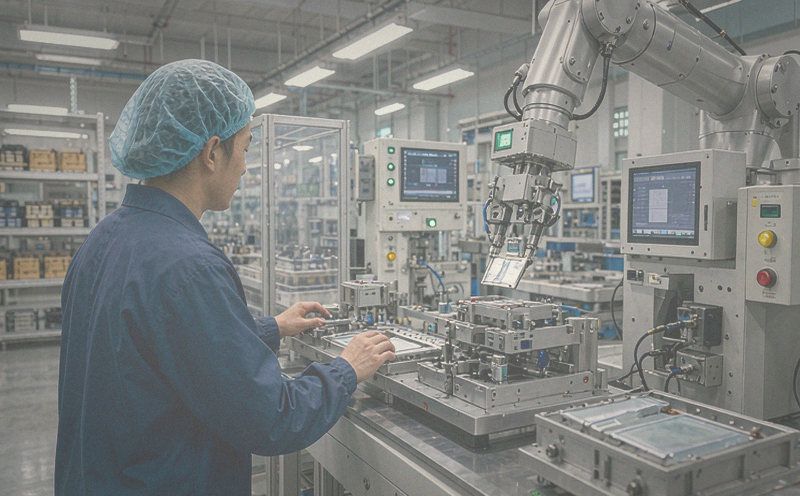
Sodium-ion technology is particularly interesting for applications where energy density is not the only performance priority. Potential applications include:
Stationary energy storage is one of the major areas being developed for sodium-ion batteries. Sodium-ion technology can be attractive where weight and volume are less restrictive and supply-chain diversification or temperature performance is important. The IEA expects sodium-ion batteries to play a growing role in battery storage, although lithium-ion technologies remain dominant.
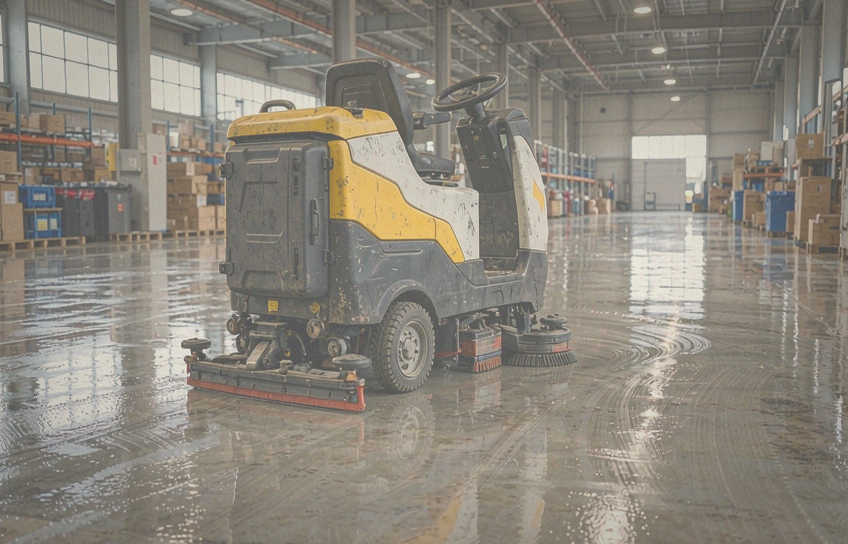
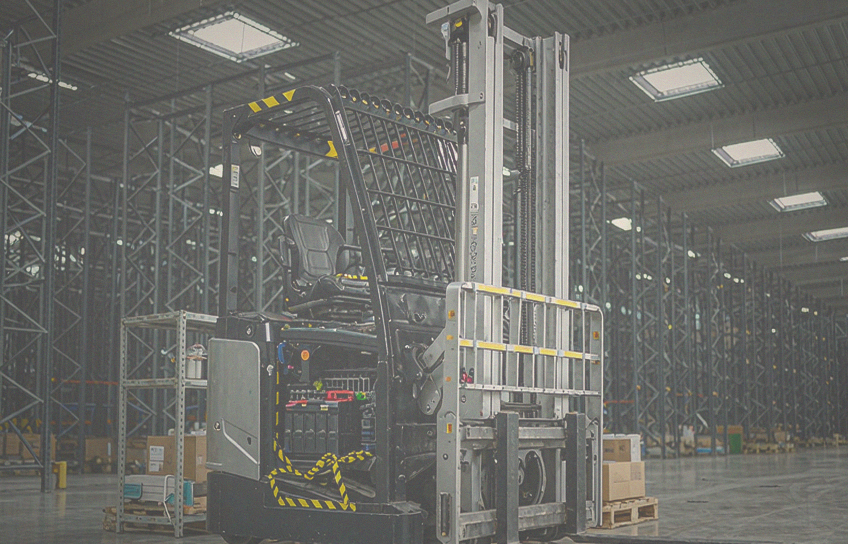
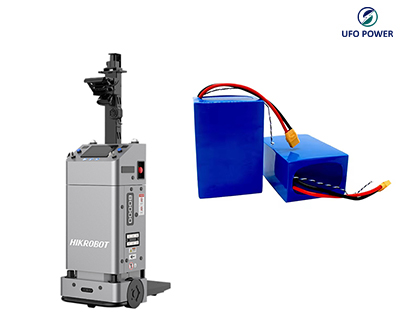
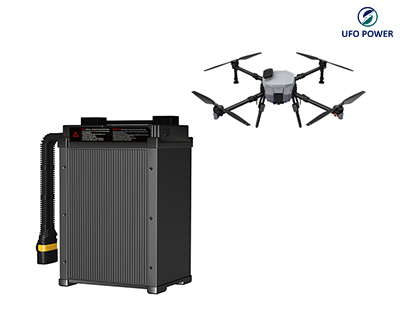
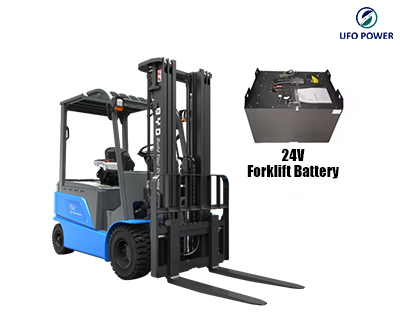
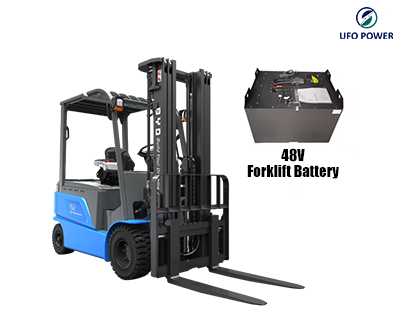
Industrial equipment can benefit from battery technologies that provide reliable power, long operating life and suitable performance under challenging environmental conditions. Potential applications include industrial equipment, material handling equipment, backup power systems, commercial equipment, low-temperature applications and specialty electric vehicles.
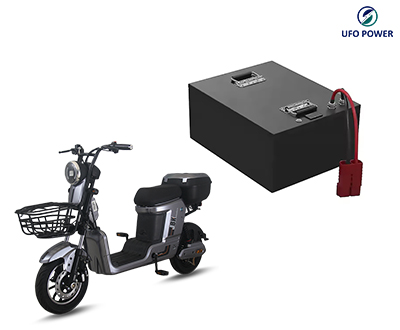
Sodium-ion batteries are also being developed for selected mobility applications. The IEA identifies small-range electric vehicles, light commercial vehicles operating in urban environments, two- and three-wheelers and certain industrial equipment among potential applications.
Choosing the right sodium-ion battery supplier requires more than comparing prices. For OEMs, distributors and industrial equipment manufacturers, we recommend evaluating at least the following factors.
The battery pack is only as reliable as its cells. Ask potential suppliers about cell manufacturer, cell chemistry, nominal voltage, capacity, energy density, cycle-life testing, cell consistency and batch traceability. A professional supplier should be able to provide clear technical specifications and quality-control information.
The battery management system is critical to battery safety and performance. A suitable BMS may provide overcharge protection, over-discharge protection, overcurrent protection, short-circuit protection, temperature monitoring, cell balancing, state-of-charge monitoring and communication functions. For OEM applications, BMS parameters and communication protocols may also need to be customized to match the equipment controller.
Industrial customers rarely need a completely standard battery. Depending on the application, OEM customers may require customization of voltage, capacity, battery dimensions, connector, terminal configuration, enclosure, BMS, communication protocol, mounting structure and charging requirements. A sodium-ion battery manufacturer with strong engineering capabilities can provide more value than a supplier that only sells standard battery packs.
Before choosing a supplier, ask how the battery is tested. A professional battery manufacturer should have quality-control procedures covering cell testing, capacity testing, charge and discharge testing, BMS testing, temperature testing, safety testing, end-of-line inspection and aging or performance verification. Certification requirements should also be evaluated according to the battery’s intended market and application.
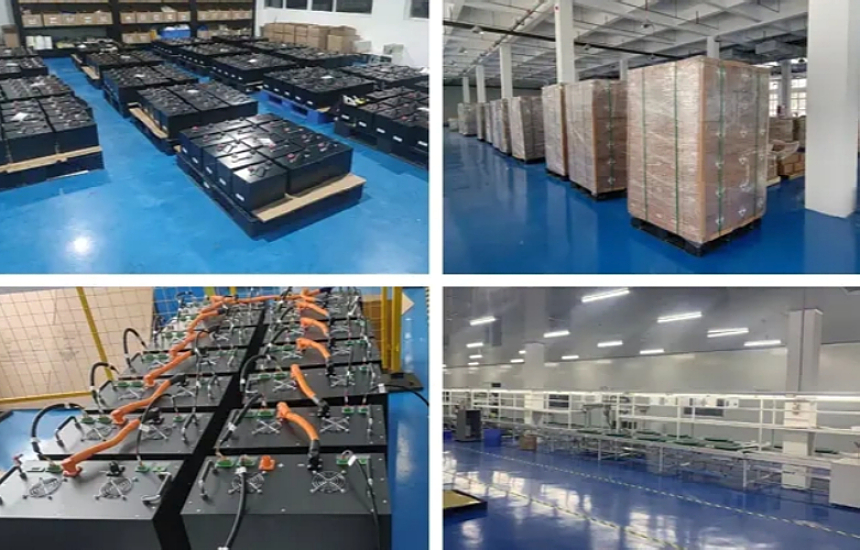
For distributors and OEM customers, production capability is an important consideration. Evaluate production capacity, manufacturing equipment, quality management system, lead time, batch consistency, OEM/ODM capability, export experience and after-sales technical support. A supplier should be capable of supporting both sample development and future volume production.
UFOPOWER is a professional battery manufacturer specializing in lithium battery solutions and developing advanced sodium-ion battery solutions for industrial and commercial applications. Our approach is focused on matching battery technology to the actual requirements of the equipment and application.
For OEM and B2B customers, UFOPOWER can support battery development around requirements such as voltage and capacity, battery dimensions, BMS configuration, electrical connections, communication requirements, charging requirements, application environment and mechanical integration. Rather than treating sodium-ion technology as a universal replacement for lithium-ion batteries, UFOPOWER evaluates the requirements of each application and helps customers select the appropriate battery chemistry and configuration — backed by in-house engineering, factory-direct production and OEM/ODM service.
There is no single battery supplier that is the best choice for every application. A reliable sodium-ion battery supplier should be able to demonstrate:
Consistent cell quality
Professional battery pack design
Reliable BMS integration
Application-specific customization
Quality-control and testing procedures
Relevant certifications
Stable production capability
OEM/ODM experience
Technical support
Clear communication and after-sales service
For OEM buyers, the ability to provide a complete battery solution is often more important than simply offering the lowest unit price.
Sodium-ion batteries are moving from research and early commercialization toward larger-scale deployment. The IEA describes 2026 as a potentially pivotal year for the technology’s scaling efforts, while also noting that LFP remains highly competitive because of its higher energy density, mature supply chain and cost advantages in many applications.
Recent industry developments also show that sodium-ion technology is moving into larger commercial applications. For example, CATL announced in June 2026 the commercial launch of its TENER sodium-ion energy storage system, while a May 2026 agreement between CATL and HyperStrong covered 60 GWh of sodium-ion battery supply for energy storage. This suggests that sodium-ion batteries should increasingly be viewed not simply as an experimental technology, but as an emerging battery chemistry with specific commercial advantages.
At the same time, lithium-ion and LiFePO4 batteries will remain important for applications where energy density, established supply chains and proven large-scale manufacturing are priorities. The future battery market is therefore likely to include multiple chemistries serving different applications rather than one chemistry replacing all others.
Sodium-ion batteries are becoming an increasingly important part of the global battery technology landscape. Their potential advantages in low-temperature performance, material availability and supply-chain diversification make them attractive for selected industrial, commercial, mobility and energy storage applications.
However, choosing the right sodium-ion battery is not simply a matter of choosing the newest battery chemistry. Buyers should evaluate cell quality, energy density, operating temperature, BMS design, safety, customization, testing and total cost according to the actual application. For OEMs, distributors and equipment manufacturers looking for a reliable sodium-ion battery manufacturer or supplier, UFOPOWER provides customized battery solutions backed by battery engineering and manufacturing capabilities.
What is a sodium-ion battery?
Are sodium-ion batteries better than lithium-ion batteries?
Are sodium-ion batteries suitable for energy storage?
What should I look for in a sodium-ion battery manufacturer?
Can sodium-ion batteries be customized for OEM applications?
Is UFOPOWER a sodium-ion battery manufacturer?


 EN
EN AR
AR DE
DE ES
ES FR
FR JP
JP KO
KO PT
PT RU
RU 家(いえ) >




 WhatsApp