
 28. September 2026
Ob du ein 5-Zoll-Freestyle-Quad fliegst oder ein Rennbuild, die Frage, die jeder Pilot sich zuerst stellt, ist dieselbe: Wie lange halten FPV-Drohnenbatterien? Die ehrliche Antwort besteht aus zwei Teilen – wie viele Minuten Sie pro Flug erhalten und wie viele Flüge die Packung selbst überlebt. Dieser Leitfaden führt durch beide Aspekte, plus die Lade-, Speicher- und Landegewohnheiten, die entscheiden, ob Ihr LiPo 50 oder 500 Zyklen hält. Als professioneller Lithium-Batteriehersteller baut UFOPOWER FPV-Packs genau für diese Realität: hohe Entladeleistungen, geringes Gewicht und vorhersehbare Spannung unter Last.
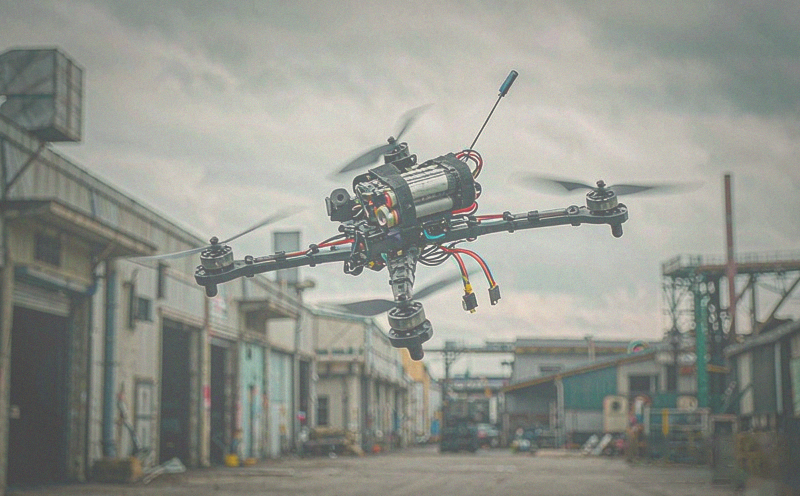
Eine FPV-Batterie ist ein speziell für Drohnen mit First-Person-View-Systemen konstruiertes Ladebündel. Die meisten sind Lithium-Polymer (LiPo)-Batterien, die wegen ihrer hohen Energiedichte und geringen Gewichts gewählt werden – die beiden wichtigsten Faktoren, wenn jedes Gramm die Flugzeit beeinflusst. FPV-Batterien sind in vielen Konfigurationen erhältlich: unterschiedliche Anzahl von Zellen (von 1S bis 6S und darüber), Kapazitäten und Entladungsleistungen, sodass Piloten das Bündel an die Luftfahrtkonstruktion und Flugstil anpassen können.
TheC-Rating Das ist, was einen FPV-Akku von einer Allzweckbatterie unterscheidet. Ein Quad, das kontinuierlich 30A zieht, benötigt Zellen, die diesen Strom liefern können, ohne unter eine sichere Spannung zu fallen – weshalb FPV-Akkus mit hohen Entladewerten verkauft werden und nicht nur mit einer Kapazitätszahl.
Die Flugdauer hängt von einer Handvoll Variablen ab: Drohnen-Gewicht, Drehzahlgewohnheiten, Kapazität und Entladeleistung. Mit einer 1300 mAh Pack, die meisten Piloten sehen etwa 5–7 Minuten Flugzeit. Fliegen Sie aggressiv – Rennen oder harten Freestyle – und ein 1300–1500mAh 4S-Pack liefert oft nur 3–5 Minuten. Wechseln Sie zu einem Cinewhoop oder sanfterem Cruising, und Sie können dasselbe Pack auf 8–10 Minuten ausdehnen; größere Kapazitäten können etwa 20 Minuten erreichen.
| Flugstil / Aufbau | Typischer Pack | Erwartete Flugzeit |
|---|---|---|
| Casual Freestyling / Cruising | 1300 mAh-Klasse | 5–7 minutes |
| Hard racing / aggressive freestyle | 1300–1500mAh 4S | 3–5 minutes |
| Cinewhoop / gentle cruise | 1300–1500mAh class | 8–10 minutes |
| Larger-capacity long-flight setup | Higher-capacity pack | Up to ~20 minutes |
You can estimate per-flight time with one simple formula:
Flight Time (hours) = Battery Capacity (Ah) ÷ Average Current Draw (A)
To get minutes, multiply the result by 60.
Example: a 1500mAh pack is 1.5Ah. If your quad pulls an average of 30A, then 1.5 ÷ 30 = 0.05 hours, and 0.05 × 60 = 3 minutes. Treat this as an ideal-condition estimate — throttle spikes, voltage sag and the need to land before full discharge all make real flight time a little shorter.
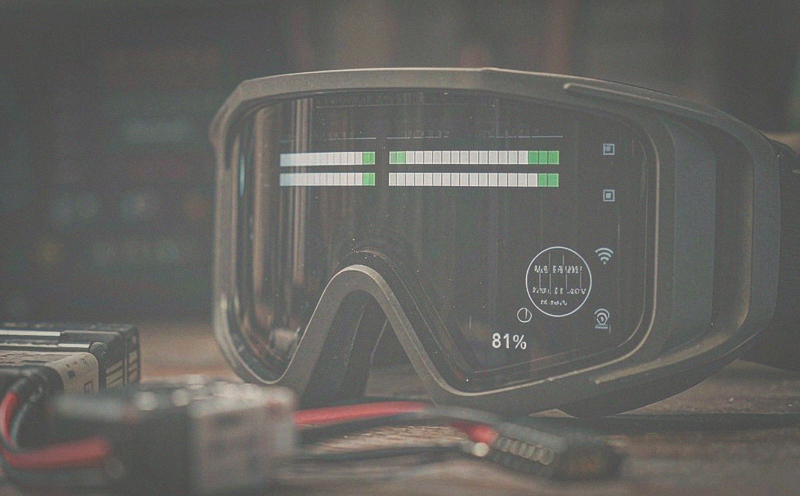
Whatever pack you fly, watch the voltage in real time with onboard monitoring or telemetry. Landing on voltage, not on gut feeling, is what keeps a pack alive — and it is the single biggest difference between a battery that lasts a season and one that lasts two months.
Drone weight and size. A heavier quad needs more power to stay airborne, so it drains the pack faster. Light, compact builds get more minutes from the same capacity.
Battery type and energy density. Different chemistries and cell grades deliver different energy density. Mid-range drones usually run high-energy-density packs precisely to keep flight times reasonable.
Extra gadgets. Cameras, propeller guards and accessories all add weight — and weight quietly eats battery life. Choose add-ons deliberately.
Throttle discipline. Aggressive punch-outs cause voltage sag and heat, which is hard on cells over time.
Flight time is only half the story. A well-maintained, high-quality LiPo pack typically survives around 300–500 full charge/discharge cycles before you notice meaningful capacity loss. That number moves a lot depending on how you treat the pack: balanced charging, correct storage voltage and avoiding deep discharge all push you toward the top of that range.
Most FPV battery damage is not caused by flying — it is caused by what happens between flights. The comparison below is the fastest way to see where packs are lost.
| Habit | Common mistake | Best practice |
|---|---|---|
| Discharge depth | Flying until the pack is empty | Land at 20–30% remaining (~3.5V/cell) |
| Storage charge | Leaving packs fully charged for weeks | Discharge to 3.7–3.85V per cell |
| Aufladen | Charging at a high rate, non-balanced | Charge at 1C on a balance charger |
| Storage location | Hot cars, damp shelves, metal surfaces | Dry place at 10–25°C, in a LiPo-safe bag |
| Between flights | Leaving the pack plugged into the drone | Remove the pack and store it separately |
Draining to zero can cause permanent damage and cut the pack's ability to hold charge. Land at 20–30% remaining, using voltage alerts or telemetry to track it.
LiPo cells slowly degrade at full charge. Internal resistance climbs, performance drops and the pack runs hotter. A useful rule of thumb: one day left full on ten separate occasions causes roughly the same wear as ten days left full in a row — and one hour left full across 24 days is roughly equal to a full day at charge. If you are not flying in the next day or two, discharge to storage voltage.
Charge at the recommended rate — typically 1C, meaning a 1500mAh pack charges at 1.5A — and always use a quality LiPo balance charger so every cell lands at the same voltage. Overcharging or constantly charging too fast can cause swelling, overheating or worse.
Use a LiPo-safe bag. A fireproof bag for both charging and storage is basic insurance.
Storage voltage: 3.7–3.85V per cell is optimal for long-term health.
Temperature: store between 10°C–25°C (50°F–77°F).
Inspect regularly. Discard swollen, cracked or punctured packs safely — never fly them.
Cold weather slows the chemical activity inside a pack and speeds up depletion; heat can make cells overheat, swell or vent. In cold conditions keep packs warm until launch; on hot days keep them out of direct sunlight and let them cool naturally after a flight before charging.
If the drone is going into storage, leave nothing fully or nearly fully charged. Most balance chargers have a storage mode that brings packs to the right level, and packs should never sit on metal surfaces or near anything that can short the leads.

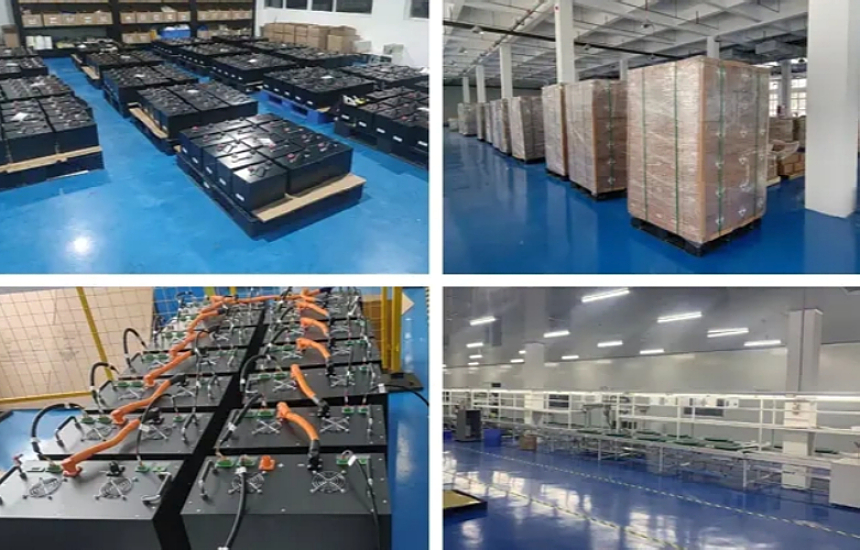
As a professional lithium battery manufacturer, UFOPOWER supplies factory-direct FPV battery packs built around the demands of real flight: high continuous discharge, stable voltage under load, and weight that does not steal your minutes. Every pack leaves our in-house production line only after factory testing, because a pack that sags at 30A is not a pack — it is a crash waiting to happen.
OEM / ODM and custom battery solutions — voltage, capacity, discharge rating, connector and lead length tailored to your airframe
In-house production and strict quality control with 100% factory testing before shipment
Consistent cell matching for balanced packs that hold voltage and last longer
Factory-direct pricing for brands, teams and distributors
Whether you need a batch of race-ready 4S packs or a custom pack geometry for a cinewhoop, UFOPOWER builds it to spec — and backs it with factory-level support.
© 2026 UFOPOWER. All rights reserved. | www.ufobattery.com E-Mail: sales@ufo-battery.com UFOPOWER Batterien | Individuelle Batterielösungen
How long do FPV drone batteries last on average?
When should I land my FPV drone to protect the battery?
Is it okay to leave the battery in the drone?
Is it safe to charge an FPV battery overnight?
How should I store FPV batteries when I'm not flying?
Can UFOPOWER customize FPV drone battery packs?



Lithium-Ionen-Batterie erklärt: Wie Li-Ionen-Zellen funktionieren, LCO vs LMO vs LFP Kathoden & 330 Wh/kg Energiedichte
Wie werden Lithium-Ionen-Batterien hergestellt? Ein Schritt-für-Schritt-Fabrikleitfaden für zylindrische, prismatische und Pouch-Zellen


 WhatsApp
 EN
EN AR
AR DE
DE ES
ES FR
FR JP
JP KO
KO PT
PT RU
RU Startseite >