
 2026년 9월 28일
5인치 프리스타일 쿼드를 날리든 레이싱 빌드를 날리든, 모든 파일럿이 가장 먼저 묻는 질문은 동일합니다: FPV 드론 배터리는 얼마나 오래 갑니까? 진실한 답변은 두 부분으로 나뉩니다. 한 번의 비행당 몇 분을 얻는지와 팩 자체가 얼마나 많은 비행을 견디는지입니다. 이 가이드는 둘 다를 설명하며, 충전, 보관 및 착륙 습관이 LiPo의 수명이 50사이클인지 500사이클인지 결정하는 방법을 안내합니다. UFOPOWER는 전문 리튬 배터리 제조업체로서, 이 현실을 정확히 반영한 FPV 팩을 제작합니다: 높은 방전 속도, 가벼운 무게 및 부하 하에서 예측 가능한 전압.
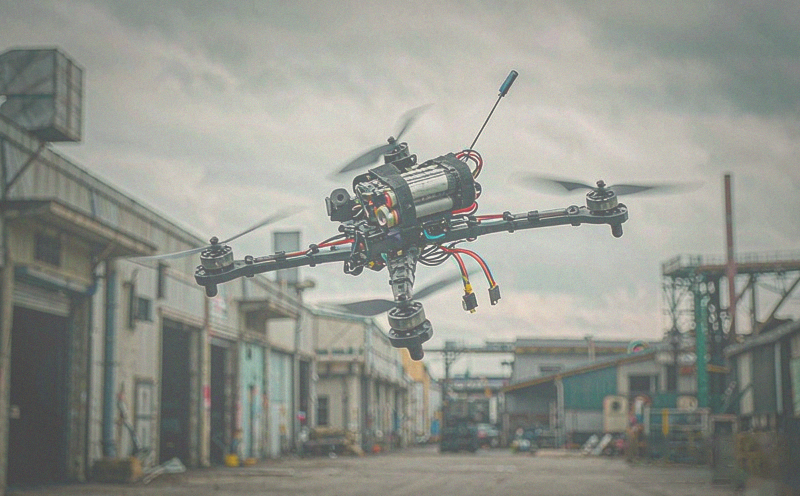
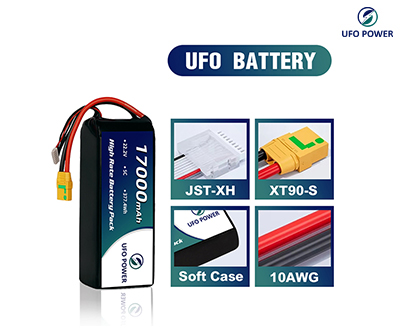
FPV 배터리는 첫 번째 시점 비행기용으로 특별히 제작된 충전 가능한 팩입니다. 대부분은 고에너지 밀도와 낮은 무게라는, 모든 그램이 비행 시간에 영향을 미치는 상황에서 가장 중요한 두 가지 요소로 인해 리튬 폴리머(LiPo) 팩을 선택합니다. FPV 팩은 다양한 구성으로 제공됩니다: 다른 셀 수(1S부터 6S 이상), 용량, 방전 등급 등으로, 파일럿이 팩을 공기 프레임과 비행 스타일에 맞출 수 있습니다.
TheC 등급 FPV 팩과 일반용 배터리의 차이점이다. 30A를 지속적으로 견뎌야 하는 4륜차용 배터리는 안전 전압 아래로 떨어지지 않으면서 그 만큼의 전류를 낼 수 있는 셀이 필요하다. 그래서 FPV 팩은 용량 숫자만 있는 일반 배터리와 달리 높은 방전 등급을 갖추고 판매된다.
플라잉 시간은 드론 무게, 스로틀 습관, 용량 및 방전 속도와 같은 몇 가지 변수에 달려 있습니다. 1300mAh 팩, 대부분의 파일럿은 약 5~7분의 비행을 목격합니다. 공격적으로 날아서(레이싱이나 강한 프리스타일) 1300~1500mAh 4S 팩은 종종 3~5분만 제공합니다. 씨네후프나 부드러운 크루징으로 전환하면 동일한 클래스의 팩을 8~10분까지 연장할 수 있으며, 더 큰 용량의 설정은 약 20분까지 도달할 수 있습니다.
| 플라이잉 스타일 / 세트업 | 전형적인 팩 | 예상 비행 시간 |
|---|---|---|
| 캐주얼 프리스타일 / 크루징 | 1300mAh 클래스 | 5~7분 |
| 하드 레이싱 / 공격적인 프리스타일 | 1300–1500mAh 4S | 3~5분 |
| Cinewhoop / gentle cruise | 1300–1500mAh 클래스 | 8~10분 |
| 대용량 장거리 비행 설정 | 더 높은 용량의 팩 | 최대 ~20분 |
You can estimate per-flight time with one simple formula:
Flight Time (hours) = Battery Capacity (Ah) ÷ Average Current Draw (A)
To get minutes, multiply the result by 60.
Example: a 1500mAh pack is 1.5Ah. If your quad pulls an average of 30A, then 1.5 ÷ 30 = 0.05 hours, and 0.05 × 60 = 3 minutes. Treat this as an ideal-condition estimate — throttle spikes, voltage sag and the need to land before full discharge all make real flight time a little shorter.
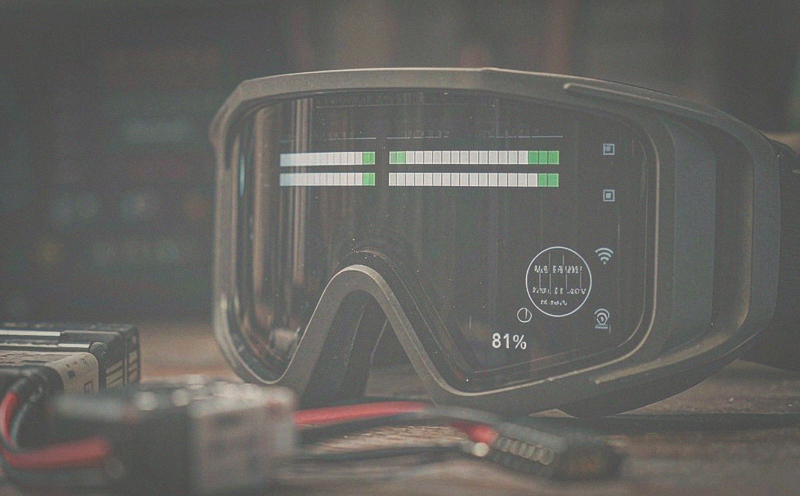
Whatever pack you fly, watch the voltage in real time with onboard monitoring or telemetry. Landing on voltage, not on gut feeling, is what keeps a pack alive — and it is the single biggest difference between a battery that lasts a season and one that lasts two months.
Drone weight and size. A heavier quad needs more power to stay airborne, so it drains the pack faster. Light, compact builds get more minutes from the same capacity.
Battery type and energy density. Different chemistries and cell grades deliver different energy density. Mid-range drones usually run high-energy-density packs precisely to keep flight times reasonable.
Extra gadgets. Cameras, propeller guards and accessories all add weight — and weight quietly eats battery life. Choose add-ons deliberately.
Throttle discipline. Aggressive punch-outs cause voltage sag and heat, which is hard on cells over time.
Flight time is only half the story. A well-maintained, high-quality LiPo pack typically survives around 300–500 full charge/discharge cycles before you notice meaningful capacity loss. That number moves a lot depending on how you treat the pack: balanced charging, correct storage voltage and avoiding deep discharge all push you toward the top of that range.
Most FPV battery damage is not caused by flying — it is caused by what happens between flights. The comparison below is the fastest way to see where packs are lost.
| Habit | Common mistake | Best practice |
|---|---|---|
| Discharge depth | Flying until the pack is empty | Land at 20–30% remaining (~3.5V/cell) |
| Storage charge | Leaving packs fully charged for weeks | Discharge to 3.7–3.85V per cell |
| 충전 | Charging at a high rate, non-balanced | Charge at 1C on a balance charger |
| Storage location | Hot cars, damp shelves, metal surfaces | Dry place at 10–25°C, in a LiPo-safe bag |
| Between flights | Leaving the pack plugged into the drone | Remove the pack and store it separately |
Draining to zero can cause permanent damage and cut the pack's ability to hold charge. Land at 20–30% remaining, using voltage alerts or telemetry to track it.
LiPo cells slowly degrade at full charge. Internal resistance climbs, performance drops and the pack runs hotter. A useful rule of thumb: one day left full on ten separate occasions causes roughly the same wear as ten days left full in a row — and one hour left full across 24 days is roughly equal to a full day at charge. If you are not flying in the next day or two, discharge to storage voltage.
Charge at the recommended rate — typically 1C, meaning a 1500mAh pack charges at 1.5A — and always use a quality LiPo balance charger so every cell lands at the same voltage. Overcharging or constantly charging too fast can cause swelling, overheating or worse.
Use a LiPo-safe bag. A fireproof bag for both charging and storage is basic insurance.
Storage voltage: 3.7–3.85V per cell is optimal for long-term health.
Temperature: store between 10°C–25°C (50°F–77°F).
Inspect regularly. Discard swollen, cracked or punctured packs safely — never fly them.
Cold weather slows the chemical activity inside a pack and speeds up depletion; heat can make cells overheat, swell or vent. In cold conditions keep packs warm until launch; on hot days keep them out of direct sunlight and let them cool naturally after a flight before charging.
If the drone is going into storage, leave nothing fully or nearly fully charged. Most balance chargers have a storage mode that brings packs to the right level, and packs should never sit on metal surfaces or near anything that can short the leads.

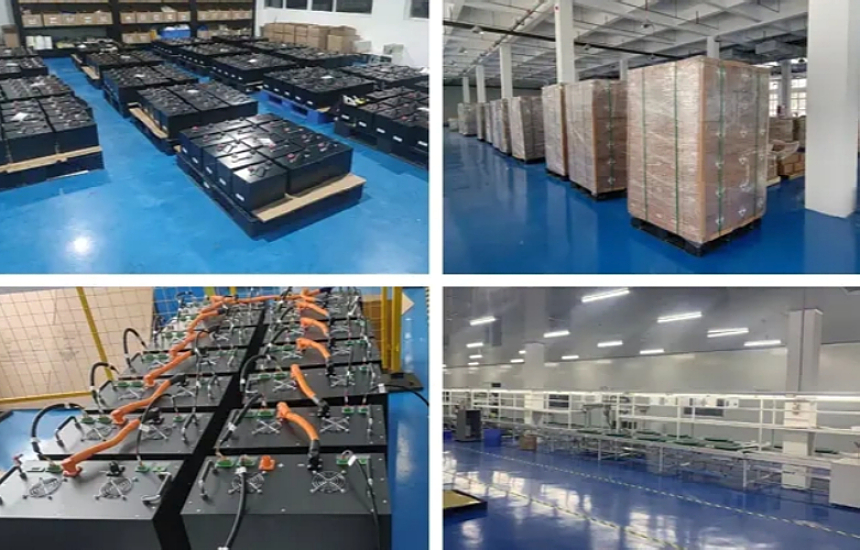
As a professional lithium battery manufacturer, UFOPOWER supplies factory-direct FPV battery packs built around the demands of real flight: high continuous discharge, stable voltage under load, and weight that does not steal your minutes. Every pack leaves our in-house production line only after factory testing, because a pack that sags at 30A is not a pack — it is a crash waiting to happen.
OEM / ODM and custom battery solutions — voltage, capacity, discharge rating, connector and lead length tailored to your airframe
In-house production and strict quality control with 100% factory testing before shipment
Consistent cell matching for balanced packs that hold voltage and last longer
Factory-direct pricing for brands, teams and distributors
Whether you need a batch of race-ready 4S packs or a custom pack geometry for a cinewhoop, UFOPOWER builds it to spec — and backs it with factory-level support.
© 2026 UFOPOWER. All rights reserved. | www.ufobattery.com 이메일: sales@ufo-battery.com UFOPOWER 배터리 | 맞춤형 배터리 솔루션
How long do FPV drone batteries last on average?
When should I land my FPV drone to protect the battery?
Is it okay to leave the battery in the drone?
Is it safe to charge an FPV battery overnight?
How should I store FPV batteries when I'm not flying?
Can UFOPOWER customize FPV drone battery packs?


 WhatsApp의
 EN
EN AR
AR DE
DE ES
ES FR
FR JP
JP KO
KO PT
PT RU
RU 홈 >
홈 >