Que vous voliez un quadricoptère freestyle de 5 pouces ou un build de course, la première question que tout pilote se pose est la même : Combien de temps durent les batteries des drones FPV ? La réponse honnête comporte deux parties : combien de minutes vous obtenez par vol, et combien de vols la batterie elle-même survit. Ce guide vous guide à travers les deux, ainsi que les habitudes de charge, de stockage et d'atterrissage qui déterminent si votre LiPo dure 50 cycles ou 500. En tant que fabricant professionnel de batteries lithium, UFOPOWER construit des packs FPV pour cette réalité exacte : des taux de décharge élevés, un poids léger et une tension prédéterminable sous charge.
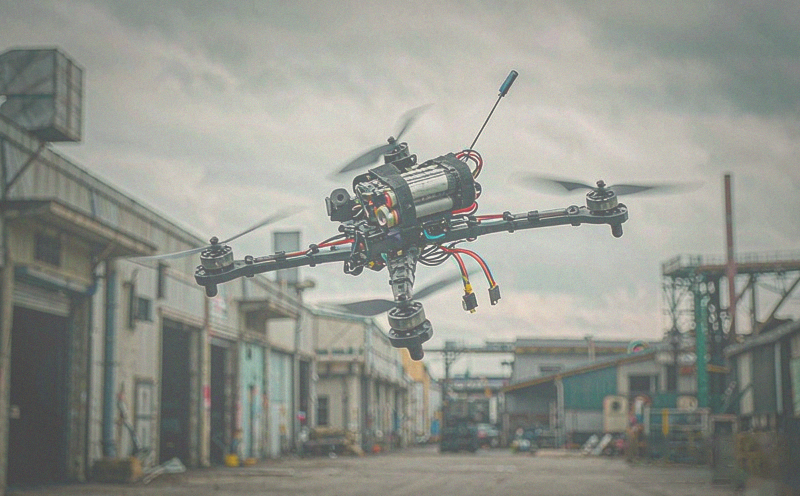
Qu'est-ce qu'une batterie de drone FPV ?
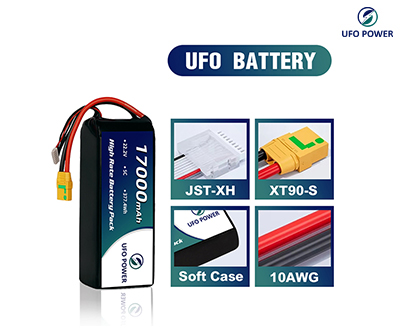
Une batterie FPV est un pack rechargeable spécialement conçu pour les drones à vue à la première personne. La plupart sont des packs au lithium polymère (LiPo), choisis pour leur haute densité énergétique et leur faible poids - deux éléments cruciaux lorsque chaque gramme affecte le temps de vol. Les packs FPV existent en de nombreuses configurations : différentes quantités de cellules (de 1S jusqu'à 6S et plus), capacités et taux de décharge, permettant aux pilotes de choisir le pack adapté à leur aéronef et à leur style de vol.
TheC-notation C'est ce qui distingue un pack FPV d'une batterie à usage général. Un quad qui pousse 30A en continu a besoin de cellules capables de fournir ce courant sans tomber en dessous d'une tension sûre - c'est pourquoi les packs FPV sont vendus avec des taux de décharge élevés plutôt qu'avec un simple nombre de capacité.
Combien de temps une batterie de drone FPV dure-t-elle par vol ?
La durée de vol dépend de quelques variables : le poids du drone, les habitudes de régulateur, la capacité et le taux de décharge. Avec un 1300mAh pack, la plupart des pilotes voient environ 5 à 7 minutes de vol. Vollez de manière agressive - course ou freestyle intense - et un pack 4S de 1300 à 1500 mAh ne fournira souvent que 3 à 5 minutes. Changez vers un cinewhoop ou un vol paisible et vous pouvez étendre le même pack à 8 à 10 minutes; des configurations de plus grande capacité peuvent atteindre environ 20 minutes.
| Style de vol / configuration | Packs typiques | Temps de vol prévu |
|---|
| Casual freestyle / cruising | Classe 1300mAh | 5–7 minutes |
| Hard racing / aggressive freestyle | 1300–1500mAh 4S | 3–5 minutes |
| Cinewhoop / gentle cruise | 1300–1500mAh class | 8–10 minutes |
| Larger-capacity long-flight setup | Higher-capacity pack | Up to ~20 minutes |
The Flight-Time Formula (Quick Estimate)
You can estimate per-flight time with one simple formula:
Flight Time (hours) = Battery Capacity (Ah) ÷ Average Current Draw (A)
To get minutes, multiply the result by 60.
Example: a 1500mAh pack is 1.5Ah. If your quad pulls an average of 30A, then 1.5 ÷ 30 = 0.05 hours, and 0.05 × 60 = 3 minutes. Treat this as an ideal-condition estimate — throttle spikes, voltage sag and the need to land before full discharge all make real flight time a little shorter.
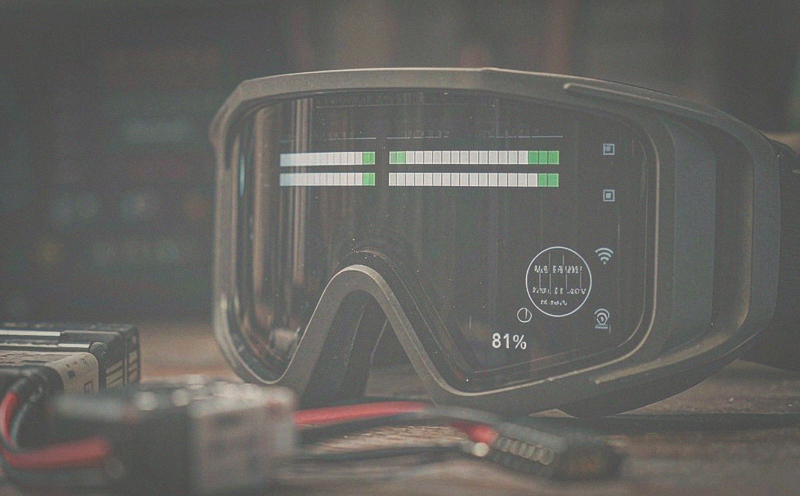
Whatever pack you fly, watch the voltage in real time with onboard monitoring or telemetry. Landing on voltage, not on gut feeling, is what keeps a pack alive — and it is the single biggest difference between a battery that lasts a season and one that lasts two months.
Factors That Actually Affect FPV Battery Life
Drone weight and size. A heavier quad needs more power to stay airborne, so it drains the pack faster. Light, compact builds get more minutes from the same capacity.
Battery type and energy density. Different chemistries and cell grades deliver different energy density. Mid-range drones usually run high-energy-density packs precisely to keep flight times reasonable.
Extra gadgets. Cameras, propeller guards and accessories all add weight — and weight quietly eats battery life. Choose add-ons deliberately.
Throttle discipline. Aggressive punch-outs cause voltage sag and heat, which is hard on cells over time.
Cycle Life: How Many Flights Does a Pack Survive?
Flight time is only half the story. A well-maintained, high-quality LiPo pack typically survives around 300–500 full charge/discharge cycles before you notice meaningful capacity loss. That number moves a lot depending on how you treat the pack: balanced charging, correct storage voltage and avoiding deep discharge all push you toward the top of that range.
Common Mistakes vs. Best Practice
Most FPV battery damage is not caused by flying — it is caused by what happens between flights. The comparison below is the fastest way to see where packs are lost.
| Habit | Common mistake | Best practice |
|---|
| Discharge depth | Flying until the pack is empty | Land at 20–30% remaining (~3.5V/cell) |
| Storage charge | Leaving packs fully charged for weeks | Discharge to 3.7–3.85V per cell |
| Chargement | Charging at a high rate, non-balanced | Charge at 1C on a balance charger |
| Storage location | Hot cars, damp shelves, metal surfaces | Dry place at 10–25°C, in a LiPo-safe bag |
| Between flights | Leaving the pack plugged into the drone | Remove the pack and store it separately |
How to Extend FPV Battery Life
1. Never fully drain the pack
Draining to zero can cause permanent damage and cut the pack's ability to hold charge. Land at 20–30% remaining, using voltage alerts or telemetry to track it.
2. Don't park packs at full charge
LiPo cells slowly degrade at full charge. Internal resistance climbs, performance drops and the pack runs hotter. A useful rule of thumb: one day left full on ten separate occasions causes roughly the same wear as ten days left full in a row — and one hour left full across 24 days is roughly equal to a full day at charge. If you are not flying in the next day or two, discharge to storage voltage.
3. Charge correctly, every time
Charge at the recommended rate — typically 1C, meaning a 1500mAh pack charges at 1.5A — and always use a quality LiPo balance charger so every cell lands at the same voltage. Overcharging or constantly charging too fast can cause swelling, overheating or worse.
How to Store FPV Batteries Safely
Use a LiPo-safe bag. A fireproof bag for both charging and storage is basic insurance.
Storage voltage: 3.7–3.85V per cell is optimal for long-term health.
Temperature: store between 10°C–25°C (50°F–77°F).
Inspect regularly. Discard swollen, cracked or punctured packs safely — never fly them.
Cold weather slows the chemical activity inside a pack and speeds up depletion; heat can make cells overheat, swell or vent. In cold conditions keep packs warm until launch; on hot days keep them out of direct sunlight and let them cool naturally after a flight before charging.
If the drone is going into storage, leave nothing fully or nearly fully charged. Most balance chargers have a storage mode that brings packs to the right level, and packs should never sit on metal surfaces or near anything that can short the leads.

Why Pilots Choose UFOPOWER FPV Packs
As a professional lithium battery manufacturer, UFOPOWER supplies factory-direct FPV battery packs built around the demands of real flight: high continuous discharge, stable voltage under load, and weight that does not steal your minutes. Every pack leaves our in-house production line only after factory testing, because a pack that sags at 30A is not a pack — it is a crash waiting to happen.
OEM / ODM and custom battery solutions — voltage, capacity, discharge rating, connector and lead length tailored to your airframe
In-house production and strict quality control with 100% factory testing before shipment
Consistent cell matching for balanced packs that hold voltage and last longer
Factory-direct pricing for brands, teams and distributors
Whether you need a batch of race-ready 4S packs or a custom pack geometry for a cinewhoop, UFOPOWER builds it to spec — and backs it with factory-level support.
© 2026 UFOPOWER. All rights reserved. | www.ufobattery.com | Email : sales@ufo-battery.com Batteries UFOPOWER | Solutions de batteries sur mesure


 EN
EN AR
AR DE
DE ES
ES FR
FR JP
JP KO
KO PT
PT RU
RU Accueil >
  28 sept. 2026







 sur WhatsApp