

 2026年9月28日
5インチのフリースタイルクワッドを飛ばすのか、レーシング用のビルドを飛ばすのかにかかわらず、パイロットが最初に問うるのは同じ疑問だ: FPVドローンのバッテリーはどれくらい持続しますか? 正直な答えには2つの部分があります。1つはフライトごとの充電時間、もう1つはパック自体がどのくらいのフライトを耐えられるかです。このガイドでは、どちらも説明し、さらに充電、保管、着陸時の習慣についても解説します。これらの要素が、あなたのLiPoバッテリーが50サイクルで終わるのか、それとも500サイクル持続するのかを決定します。プロのリチウム電池メーカーであるUFOPOWERは、まさにこの現実——高い放電率、軽量、負荷下での予測可能な電圧——に対応したFPVパックを製造しています。
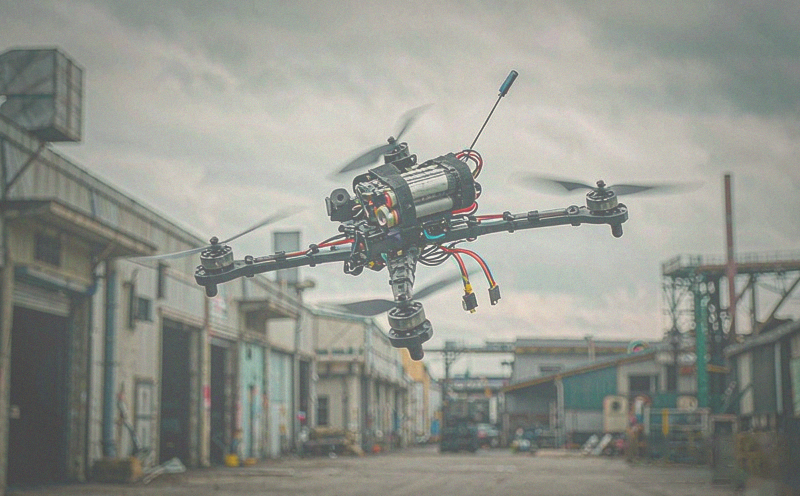
FPVバッテリーは、第一人称視点ドローン専用に設計された再充電可能なパックです。ほとんどのものは、エネルギー密度が高く軽量なため、重量が飛行時間に直結する状況で最も重要な要素となるリチウムポリマーパック(LiPo)を採用しています。FPVバッテリーにはさまざまな構成があり、セル数(1Sから6S以上)、容量、放電定格が異なるため、パイロットはフレームや飛行スタイルに合わせて最適なパックを選ぶことができます。
TheCランク FPVパックと汎用バッテリーを区別する点である。連続30Aの負荷をかけるクワッド用には、安全電圧を下回ることなくその電流を供給できるセルが必要である。それがFPVパックが放電レートを表示し、単なる容量数値だけではない理由である。
フライトごとの持続時間はドローンの重量、スロットルの操作習慣、バッテリー容量、放電率といった数値に左右される。 1300mAh パックの場合、ほとんどのパイロットは約5~7分の飛行時間を見込んでいる。激しく飛行する——レーシングやハードフリースタイル——と、1300~1500mAhの4Sパックでは往々にして3~5分しか持たない。cinewhoopや穏やかな巡航に切り替えると、同じクラスのパックでも8~10分まで延ばすことができ、より大容量のセットアップなら約20分に達する。
| 飛行スタイル / 設定 | 典型的なパック | 予想飛行時間 |
|---|---|---|
| カジュアルフリースタイル / クルージング | 1300mAhクラス | 5–7 minutes |
| Hard racing / aggressive freestyle | 1300–1500mAh 4S | 3–5 minutes |
| Cinewhoop / gentle cruise | 1300–1500mAh class | 8–10 minutes |
| Larger-capacity long-flight setup | Higher-capacity pack | Up to ~20 minutes |
You can estimate per-flight time with one simple formula:
Flight Time (hours) = Battery Capacity (Ah) ÷ Average Current Draw (A)
To get minutes, multiply the result by 60.
Example: a 1500mAh pack is 1.5Ah. If your quad pulls an average of 30A, then 1.5 ÷ 30 = 0.05 hours, and 0.05 × 60 = 3 minutes. Treat this as an ideal-condition estimate — throttle spikes, voltage sag and the need to land before full discharge all make real flight time a little shorter.
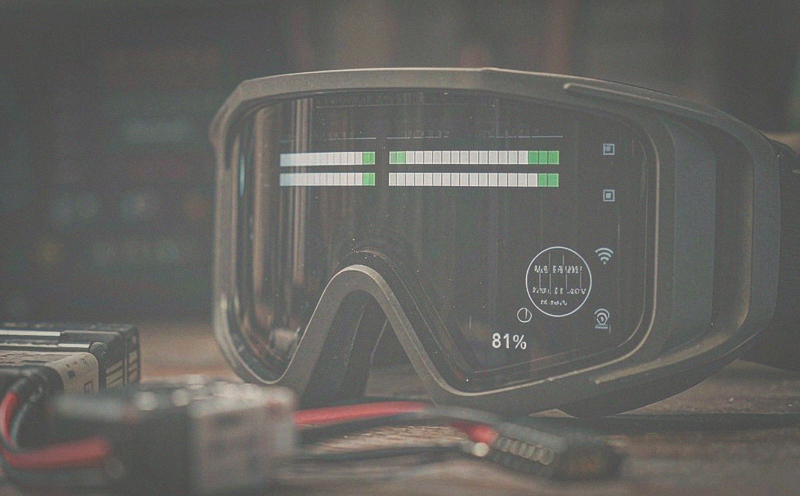
Whatever pack you fly, watch the voltage in real time with onboard monitoring or telemetry. Landing on voltage, not on gut feeling, is what keeps a pack alive — and it is the single biggest difference between a battery that lasts a season and one that lasts two months.
Drone weight and size. A heavier quad needs more power to stay airborne, so it drains the pack faster. Light, compact builds get more minutes from the same capacity.
Battery type and energy density. Different chemistries and cell grades deliver different energy density. Mid-range drones usually run high-energy-density packs precisely to keep flight times reasonable.
Extra gadgets. Cameras, propeller guards and accessories all add weight — and weight quietly eats battery life. Choose add-ons deliberately.
Throttle discipline. Aggressive punch-outs cause voltage sag and heat, which is hard on cells over time.
Flight time is only half the story. A well-maintained, high-quality LiPo pack typically survives around 300–500 full charge/discharge cycles before you notice meaningful capacity loss. That number moves a lot depending on how you treat the pack: balanced charging, correct storage voltage and avoiding deep discharge all push you toward the top of that range.
Most FPV battery damage is not caused by flying — it is caused by what happens between flights. The comparison below is the fastest way to see where packs are lost.
| Habit | Common mistake | Best practice |
|---|---|---|
| Discharge depth | Flying until the pack is empty | Land at 20–30% remaining (~3.5V/cell) |
| Storage charge | Leaving packs fully charged for weeks | Discharge to 3.7–3.85V per cell |
| 充電 | Charging at a high rate, non-balanced | Charge at 1C on a balance charger |
| Storage location | Hot cars, damp shelves, metal surfaces | Dry place at 10–25°C, in a LiPo-safe bag |
| Between flights | Leaving the pack plugged into the drone | Remove the pack and store it separately |
Draining to zero can cause permanent damage and cut the pack's ability to hold charge. Land at 20–30% remaining, using voltage alerts or telemetry to track it.
LiPo cells slowly degrade at full charge. Internal resistance climbs, performance drops and the pack runs hotter. A useful rule of thumb: one day left full on ten separate occasions causes roughly the same wear as ten days left full in a row — and one hour left full across 24 days is roughly equal to a full day at charge. If you are not flying in the next day or two, discharge to storage voltage.
Charge at the recommended rate — typically 1C, meaning a 1500mAh pack charges at 1.5A — and always use a quality LiPo balance charger so every cell lands at the same voltage. Overcharging or constantly charging too fast can cause swelling, overheating or worse.
Use a LiPo-safe bag. A fireproof bag for both charging and storage is basic insurance.
Storage voltage: 3.7–3.85V per cell is optimal for long-term health.
Temperature: store between 10°C–25°C (50°F–77°F).
Inspect regularly. Discard swollen, cracked or punctured packs safely — never fly them.
Cold weather slows the chemical activity inside a pack and speeds up depletion; heat can make cells overheat, swell or vent. In cold conditions keep packs warm until launch; on hot days keep them out of direct sunlight and let them cool naturally after a flight before charging.
If the drone is going into storage, leave nothing fully or nearly fully charged. Most balance chargers have a storage mode that brings packs to the right level, and packs should never sit on metal surfaces or near anything that can short the leads.

As a professional lithium battery manufacturer, UFOPOWER supplies factory-direct FPV battery packs built around the demands of real flight: high continuous discharge, stable voltage under load, and weight that does not steal your minutes. Every pack leaves our in-house production line only after factory testing, because a pack that sags at 30A is not a pack — it is a crash waiting to happen.
OEM / ODM and custom battery solutions — voltage, capacity, discharge rating, connector and lead length tailored to your airframe
In-house production and strict quality control with 100% factory testing before shipment
Consistent cell matching for balanced packs that hold voltage and last longer
Factory-direct pricing for brands, teams and distributors
Whether you need a batch of race-ready 4S packs or a custom pack geometry for a cinewhoop, UFOPOWER builds it to spec — and backs it with factory-level support.
© 2026 UFOPOWER. All rights reserved. | www.ufobattery.com | メールアドレス: sales@ufo-battery.com | UFOPOWERバッテリー | カスタムバッテリーソリューション
How long do FPV drone batteries last on average?
When should I land my FPV drone to protect the battery?
Is it okay to leave the battery in the drone?
Is it safe to charge an FPV battery overnight?
How should I store FPV batteries when I'm not flying?
Can UFOPOWER customize FPV drone battery packs?


 EN
EN AR
AR DE
DE ES
ES FR
FR JP
JP KO
KO PT
PT RU
RU 家(いえ) >






 WhatsApp