
 29. September 2026
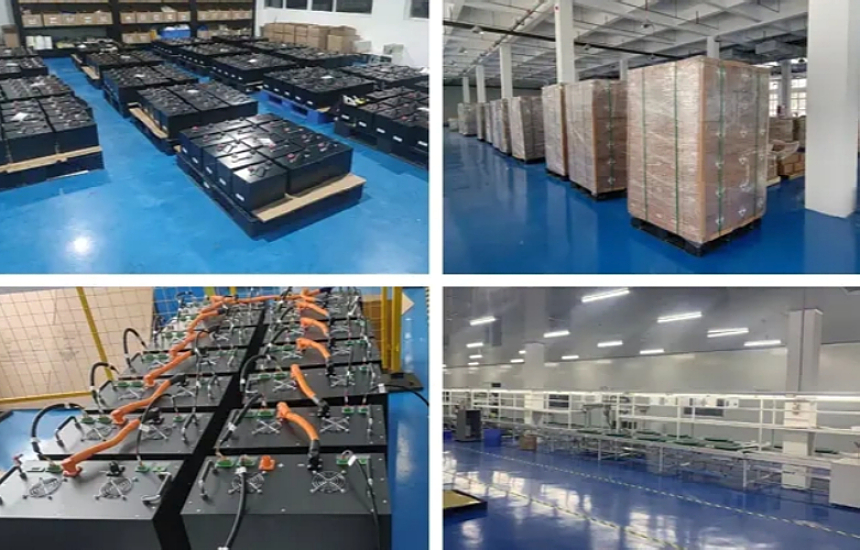
Lithium-Ionen-Batterien versorgen alles von Handys und Werkzeugen bis hin zu Elektrofahrzeugen und Energiespeichersystemen, doch die meisten Menschen sehen nie, wie sie tatsächlich gebaut werden. Wie werden Lithium-Ionen-Batterien hergestellt? Die kurze Antwort: durch eine streng kontrollierte Kette chemischer, mechanischer und elektrischer Prozesse – Rohstoffvorbereitung, Elektrodenherstellung, Zellenaufbau, Formerung, Packungsaufbau und Qualitätsprüfung. Als professioneller Lithiumbatteriehersteller führt UFOPOWER jeden dieser Schritte intern durch, denn eine Batterie ist nur so gut wie der schwächste Schritt in ihrer Produktionslinie.
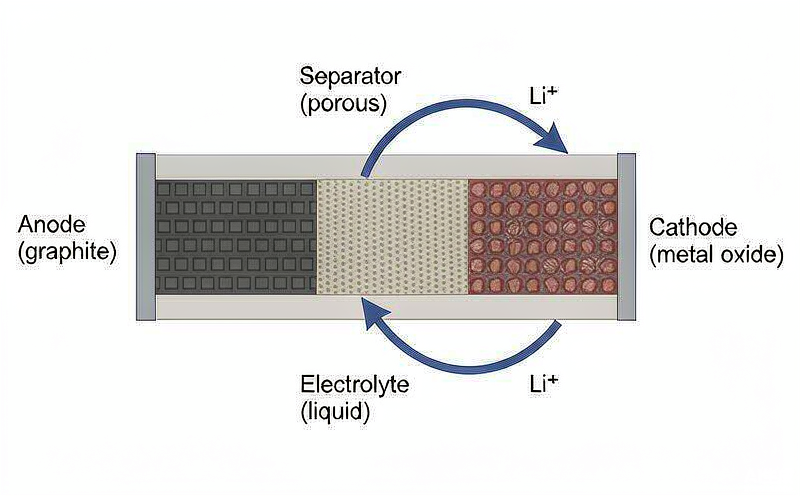
Bevor man die Produktion betrachtet, ist es hilfreich, das Funktionsprinzip zu verstehen. Eine Lithium-Ionen-Batterie speichert und gibt Energie frei, indem Lithium-Ionen zwischen zwei Elektroden hin und her wandern – die Anode und KathodeWenn die Batterie ein Gerät betreibt, wandern Lithiumionen von der Anode zur Kathode und erzeugen einen elektrischen Strom. Beim Laden kehren die Ionen zur Anode zurück und sind bereit, wieder Strom zu liefern. Diese umkehrbare Bewegung der Ionen ist genau das, was eine Lithium-Ionen-Batterie ladebar macht – und warum die Qualität jeder Elektrodenlage während der Herstellung so entscheidend ist.
Die folgende Tabelle zeigt den gesamten Produktionsablauf von Rohmaterialien bis hin zu einem fertigen, geprüften Batteriepack.
| Schritt | Was passiert | Warum es wichtig ist |
|---|---|---|
| 1. Rohstoffgewinnung & -bereitung | Erfassung und Vorbereitung von Lithium, Graphit, Kobalt und Mangan | Definiert Energiedichte und Zellenchemie |
| 2. Synthese von Aktivmaterialien | Basismetalle mit Lithium, Graphit und Bindemitteln mischen, erhitzen und abkühlen | Bestimmt die Elektrodenleistung und Struktur |
| 3. Elektrodenherstellung | Schlammvermischen, Beschichten, Trocknen und Walzen | Steuert Dicke, Dichte und Konsistenz |
| 4. Zellensemble | Aufschichten oder Wickeln von Folien, Elektrolytverfüllen, Versiegeln | Verhindert Leckagen und Kontaminationen |
| 5. Bildung & Alterung | Anfangsladung/Abschaltzyklen; SEI-Schicht bildet sich auf der Anode | Errichtet Langlebigkeit und stabile Leistung |
| 6. Modul- und Packungsverarbeitung | Cells grouped into modules and packs with a BMS | Delivers safety, monitoring and efficiency |
| 7. Quality control & testing | Material inspection, in-line checks, performance and safety testing | Ensures tolerance compliance and reliability |
Production starts with raw materials. According to the U.S. National Renewable Energy Laboratory, critical raw materials used in manufacturing lithium-ion batteries include lithium, graphite, cobalt and manganese. Inside the cell, the anode is typically built from a carbon-based material such as graphite, while the cathode is made from metal oxides such as lithium, cobalt and manganese.
Material synthesis creates materials with specific properties and structures through chemical or physical means. Base metals are mixed, heated and cooled, with lithium, graphite and binder materials added as needed to produce the electrode material.
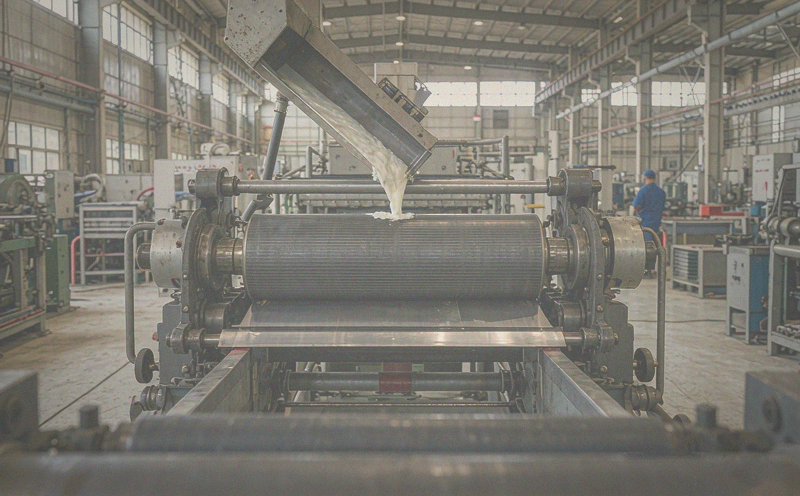
This stage has three parts: slurry preparation, coating and drying, then calendering. Active materials are mixed with a solvent and binder to form a slurry, which is coated onto a metal foil and dried in a controlled environment to remove the solvent. The coated foils then pass through rolls to reach the target thickness and density — a process called calendering.
The choice of foil is not random. The anode and cathode use different collectors, and that difference shapes how the electrode is processed and how the finished cell behaves.
| Electrode | Active material | Current collector foil |
|---|---|---|
| Anode | Carbon-based material (e.g. graphite) | Copper foil |
| Kathode | Metal oxides (lithium, cobalt, manganese) | Aluminum foil |
Lithium-ion cells come in several formats — cylindrical, prismatic and pouch. Depending on the design, anode and cathode foils are stacked with separators in between, or wound into a jelly roll. This is electrode stacking or winding. The cell is then filled with electrolyte, which enables lithium ions to move between electrodes, and finally sealed to prevent leakage and contamination.
Formation means charging and discharging new cells to activate the electrolyte and build a solid electrolyte interphase (SEI) on the anode. This step is critical to battery longevity and performance. Cells are then stored through an aging period so their performance characteristics stabilize before they are matched into packs.
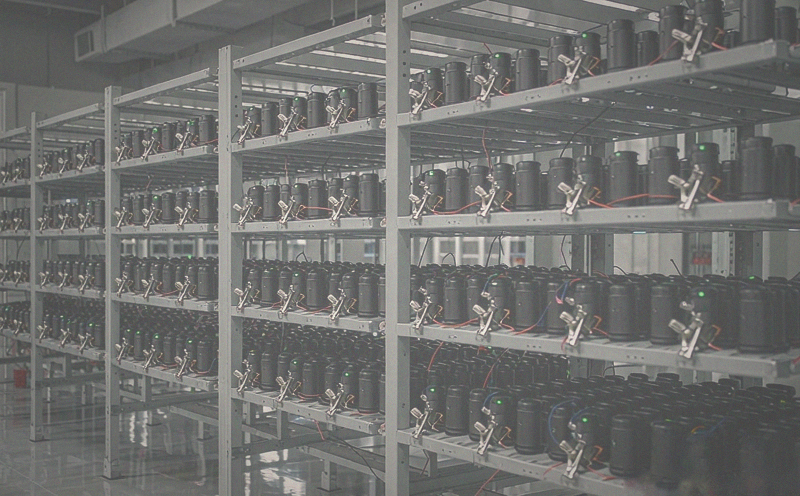
The high energy density of lithium-ion technology lets cells fit into smaller and smaller spaces, so cells are assembled into modules and packs with almost no dimensional constraints. A battery management system (BMS) monitors and controls performance, protecting the pack and keeping it efficient. This is where a manufacturer's engineering depth shows: matching cells, designing the BMS and packaging the pack for its real application.
Because lithium-ion batteries now appear in mobile devices, electronics, electric vehicles and even infant toys, manufacturing tolerances must be tight. Rigorous quality control runs through the entire production process: material inspections, in-line quality checks during manufacturing, performance testing and safety testing.
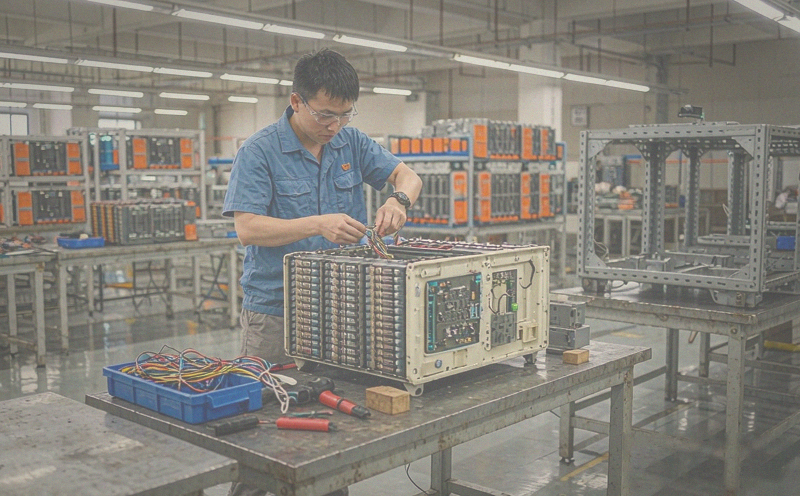
A single weak step in the chain is enough to compromise the finished product. Poor slurry mixing or uneven calendering creates inconsistent electrodes; imperfect sealing leads to leakage; skipped formation or aging shows up as unstable performance months later; loose cell matching shortens pack life. That is why serious battery manufacturing is judged not by a single headline specification, but by how tightly every stage is controlled — from the coating room to the final test bench.
As a professional lithium battery manufacturer, UFOPOWER brings these seven stages under one roof. Our in-house production covers electrode processing, cell assembly, formation and pack integration, followed by strict quality control and 100% factory testing before any pack ships. The result is factory-direct batteries that hold their voltage, last their rated cycles and match the application they were built for.
OEM / ODM and custom battery solutions — voltage, capacity, cell format (cylindrical, prismatic, pouch), connector and pack geometry
In-house production line with strict quality control at every stage
100% factory testing of performance and safety before shipment
Consistent cell matching for balanced, long-lasting packs with integrated BMS
Factory-direct pricing for brands, integrators and distributors
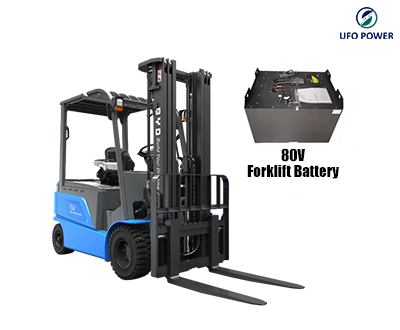
If you are sourcing a lithium battery for a specific product — from power tools and AGVs to forklifts or energy storage — the right partner is the one who controls the whole process. Send us your requirements and we will build the pack to spec.
© 2026 UFOPOWER. All rights reserved. | www.ufobattery.com E-Mail: sales@ufo-battery.com UFOPOWER Batterien | Individuelle Batterielösungen
How are lithium-ion batteries manufactured step by step?
What raw materials are used to make lithium-ion batteries?
What is calendering in battery manufacturing?
What are the differences between cylindrical, prismatic and pouch cells?
Why is cell formation and aging important?
How does UFOPOWER control battery quality during manufacturing?



Lithium-Ionen-Batterie erklärt: Wie Li-Ionen-Zellen funktionieren, LCO vs LMO vs LFP Kathoden & 330 Wh/kg Energiedichte
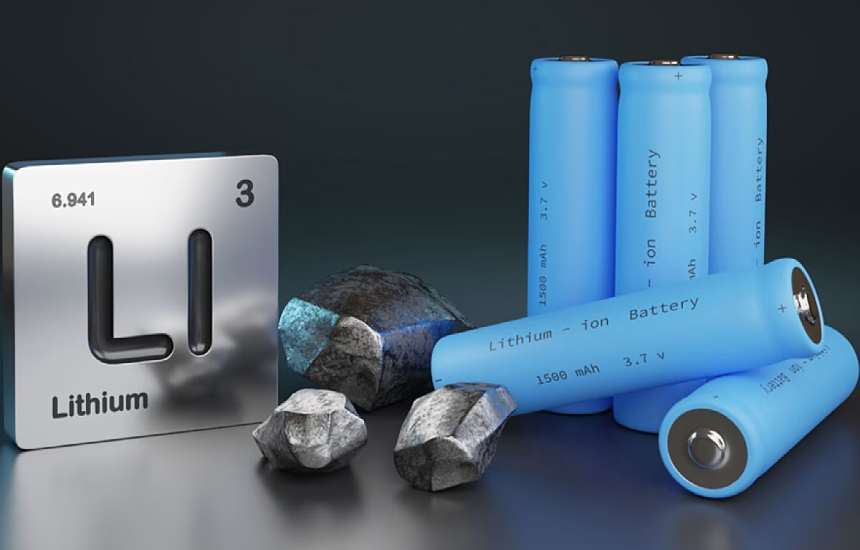
Wie werden Lithium-Ionen-Batterien hergestellt? Ein Schritt-für-Schritt-Fabrikleitfaden für zylindrische, prismatische und Pouch-Zellen


 WhatsApp
 EN
EN AR
AR DE
DE ES
ES FR
FR JP
JP KO
KO PT
PT RU
RU Startseite >