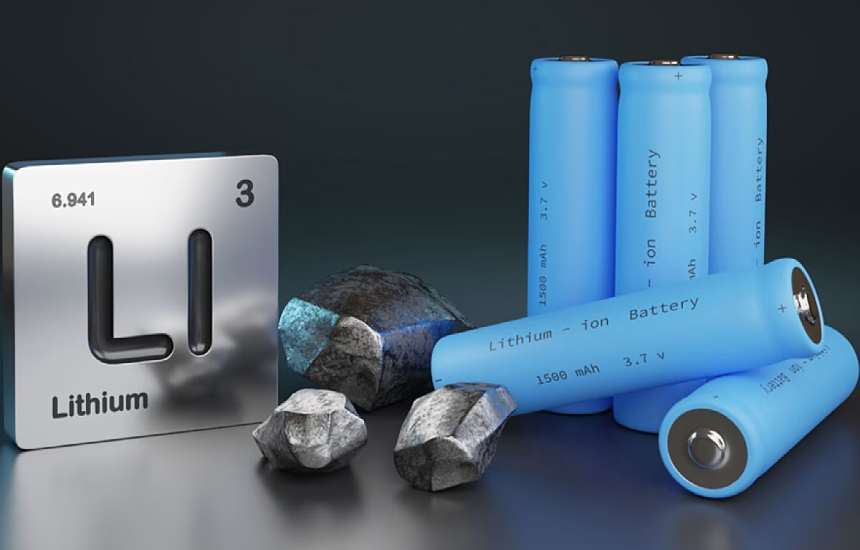
Las baterías de iones de litio alimentan desde teléfonos y herramientas eléctricas hasta vehículos eléctricos y sistemas de almacenamiento de energía, pero la mayoría de la gente nunca ve cómo se construyen realmente. ¿Cómo se fabrican las baterías de iones de litio? La respuesta corta: a través de una cadena estrictamente controlada de procesos químicos, mecánicos y eléctricos: preparación de materias primas, fabricación de electrodos, ensamblaje de celdas, formación, ensamblaje de paquetes y pruebas de calidad. Como fabricante profesional de baterías de litio, UFOPOWER ejecuta cada una de estas etapas internamente, porque una batería solo es tan buena como el paso más débil de su línea de producción.
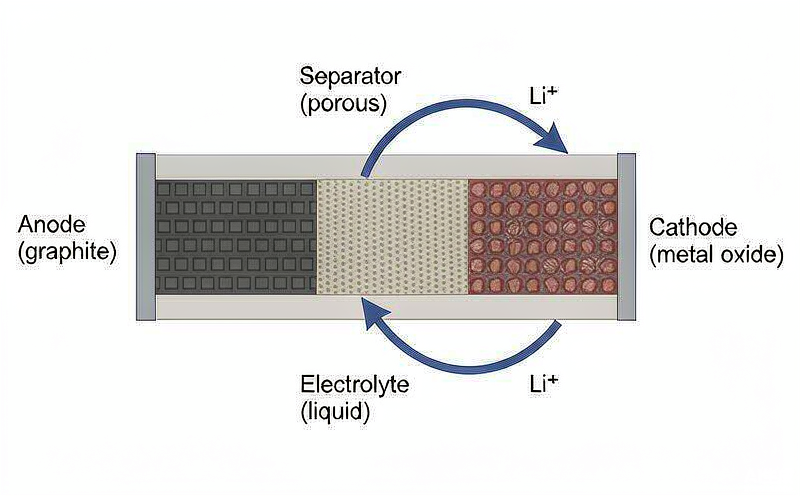
Cómo funciona una batería de iones de litio
Antes de analizar la producción, es útil comprender el principio de funcionamiento. Una batería de iones de litio almacena y libera energía moviendo iones de litio de un electrodo a otro —los ánodo y cátodoCuando la batería alimenta un dispositivo, los iones de litio viajan desde el ánodo hasta el cátodo, creando un flujo de electricidad. Cuando la cargas, los iones regresan al ánodo, listos para suministrar energía nuevamente. Este movimiento reversible de iones es exactamente lo que hace que una batería de iones de litio sea recargable, y por qué la calidad de cada capa del electrodo es tan importante durante la fabricación.
Los 7 pasos de fabricación de baterías de iones de litio
The table below maps the full production flow, from raw materials to a finished, tested battery pack.
| Step | What happens | Por qué importa |
|---|
| 1. Raw material extraction & preparation | Sourcing and preparing lithium, graphite, cobalt and manganese | Defines energy density and cell chemistry |
| 2. Active material synthesis | Mixing, heating and cooling base metals with lithium, graphite and binders | Determines electrode performance and structure |
| 3. Electrode manufacturing | Slurry mixing, coating, drying and calendering | Controls thickness, density and consistency |
| 4. Cell assembly | Stacking or winding foils, electrolyte filling, sealing | Prevents leakage and contamination |
| 5. Formation & aging | Initial charge/discharge cycles; SEI layer forms on the anode | Sets up longevity and stable performance |
| 6. Module & pack assembly | Cells grouped into modules and packs with a BMS | Delivers safety, monitoring and efficiency |
| 7. Quality control & testing | Material inspection, in-line checks, performance and safety testing | Ensures tolerance compliance and reliability |
Step 1: Raw Material Extraction & Preparation
Production starts with raw materials. According to the U.S. National Renewable Energy Laboratory, critical raw materials used in manufacturing lithium-ion batteries include lithium, graphite, cobalt and manganese. Inside the cell, the anode is typically built from a carbon-based material such as graphite, while the cathode is made from metal oxides such as lithium, cobalt and manganese.
Step 2: Active Material Synthesis
Material synthesis creates materials with specific properties and structures through chemical or physical means. Base metals are mixed, heated and cooled, with lithium, graphite and binder materials added as needed to produce the electrode material.
Step 3: Electrode Manufacturing
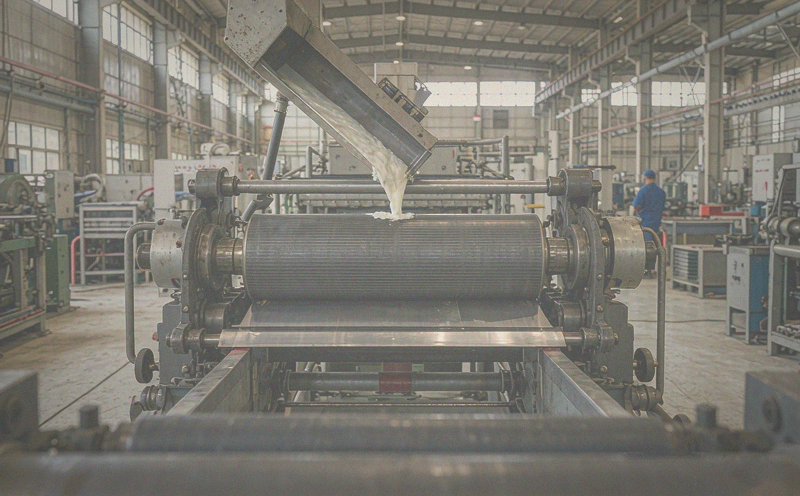
This stage has three parts: slurry preparation, coating and drying, then calendering. Active materials are mixed with a solvent and binder to form a slurry, which is coated onto a metal foil and dried in a controlled environment to remove the solvent. The coated foils then pass through rolls to reach the target thickness and density — a process called calendering.
The choice of foil is not random. The anode and cathode use different collectors, and that difference shapes how the electrode is processed and how the finished cell behaves.
| Electrode | Active material | Current collector foil |
|---|
| ánodo | Carbon-based material (e.g. graphite) | Copper foil |
| catódico | Metal oxides (lithium, cobalt, manganese) | Aluminum foil |
Step 4: Cell Assembly
Lithium-ion cells come in several formats — cylindrical, prismatic and pouch. Depending on the design, anode and cathode foils are stacked with separators in between, or wound into a jelly roll. This is electrode stacking or winding. The cell is then filled with electrolyte, which enables lithium ions to move between electrodes, and finally sealed to prevent leakage and contamination.
Step 5: Cell Formation & Aging
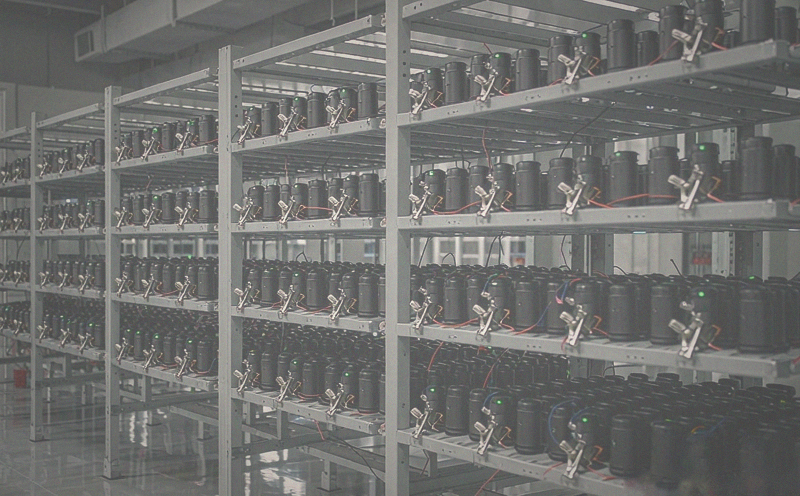
Formation means charging and discharging new cells to activate the electrolyte and build a solid electrolyte interphase (SEI) on the anode. This step is critical to battery longevity and performance. Cells are then stored through an aging period so their performance characteristics stabilize before they are matched into packs.
Step 6: Cell Module & Pack Assembly
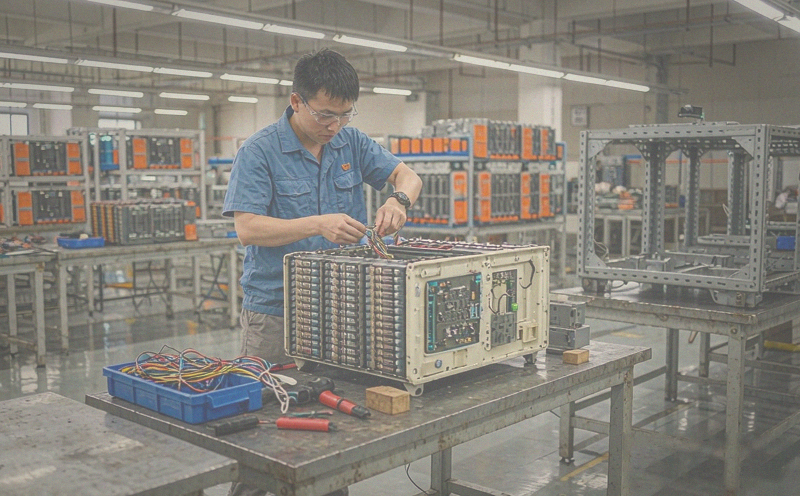
The high energy density of lithium-ion technology lets cells fit into smaller and smaller spaces, so cells are assembled into modules and packs with almost no dimensional constraints. A battery management system (BMS) monitors and controls performance, protecting the pack and keeping it efficient. This is where a manufacturer's engineering depth shows: matching cells, designing the BMS and packaging the pack for its real application.
Step 7: Quality Control & Testing
Because lithium-ion batteries now appear in mobile devices, electronics, electric vehicles and even infant toys, manufacturing tolerances must be tight. Rigorous quality control runs through the entire production process: material inspections, in-line quality checks during manufacturing, performance testing and safety testing.
Why Manufacturing Precision Decides Battery Performance
A single weak step in the chain is enough to compromise the finished product. Poor slurry mixing or uneven calendering creates inconsistent electrodes; imperfect sealing leads to leakage; skipped formation or aging shows up as unstable performance months later; loose cell matching shortens pack life. That is why serious battery manufacturing is judged not by a single headline specification, but by how tightly every stage is controlled — from the coating room to the final test bench.
Inside UFOPOWER: From Cell to Finished Pack
As a professional lithium battery manufacturer, UFOPOWER brings these seven stages under one roof. Our in-house production covers electrode processing, cell assembly, formation and pack integration, followed by strict quality control and 100% factory testing before any pack ships. The result is factory-direct batteries that hold their voltage, last their rated cycles and match the application they were built for.
OEM / ODM and custom battery solutions — voltage, capacity, cell format (cylindrical, prismatic, pouch), connector and pack geometry
In-house production line with strict quality control at every stage
100% factory testing of performance and safety before shipment
Consistent cell matching for balanced, long-lasting packs with integrated BMS
Factory-direct pricing for brands, integrators and distributors
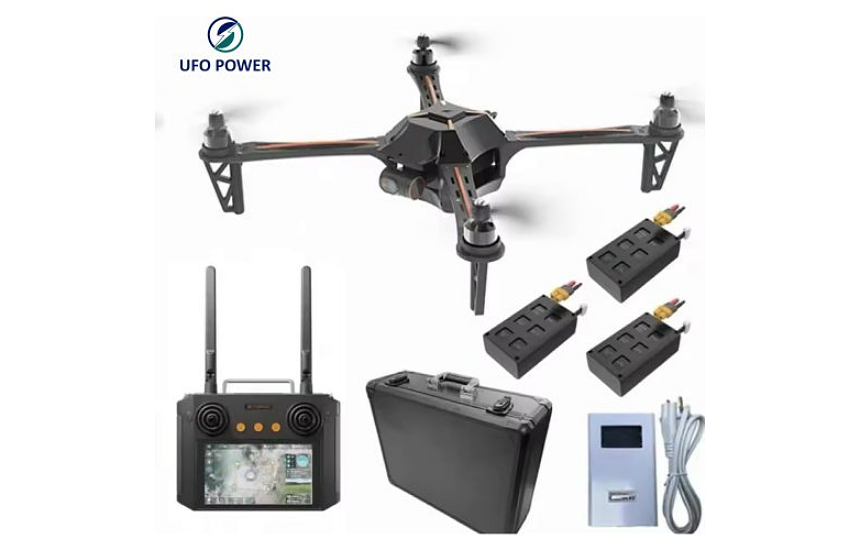
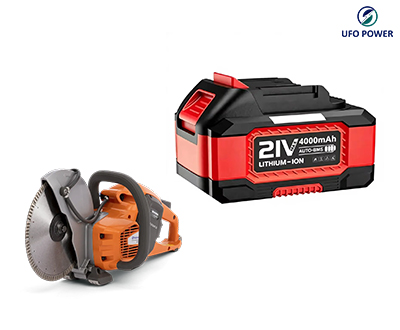
If you are sourcing a lithium battery for a specific product — from power tools and AGVs to forklifts or energy storage — the right partner is the one who controls the whole process. Send us your requirements and we will build the pack to spec.
© 2026 UFOPOWER. All rights reserved. | www.ufobattery.com Email: sales@ufo-battery.com Baterías UFOPOWER | Soluciones de baterías personalizadas


 EN
EN AR
AR DE
DE ES
ES FR
FR JP
JP KO
KO PT
PT RU
RU Inicio >
  29 de septiembre de 2026








 de WhatsApp