
 Oct 27, 2026
Every warehouse manager knows the feeling: a truck rolls to a stop mid-aisle with a dead pack, two hours into a shift that has to finish. Slow charging, sudden power loss and packs that die two years early are rarely accidents. They are the compound interest of small habits, or the lack of them, which is why forklift battery maintenance belongs in a written schedule rather than in someone's memory.
The good news is that the routine is not complicated. Five charging rules, a watering and cleaning rhythm, a handful of operator checks and a fault table cover most of what goes wrong in a real fleet. As a professional lithium battery manufacturer, UFOPOWER builds packs for lead-acid replacement and OEM programmes, so this guide covers both chemistries and explains where the maintenance workload actually sits.

Charging is where most battery life is won or lost, and the two chemistries want different behaviour. Treat them the same and at least one of them will suffer.
| Charging Rule | Lead-Acid | Lithium-Ion (LiFePO4) |
|---|---|---|
| When to recharge | At roughly 20 to 30 percent discharged, not when nearly empty | After each shift, plus optional opportunity charges during breaks |
| Partial charges | Avoid. Let the pack reach full capacity before disconnecting | Acceptable by design, but a full charge after each shift is still best practice |
| Overcharge control | Smart charger required, overcharge causes heat and gassing | Managed by the BMS and a matching charger |
| Ventilation | Mandatory, hydrogen is flammable. No smoking, no open flame, phone nearby | Still ventilate for heat dissipation, but no gassing hazard |
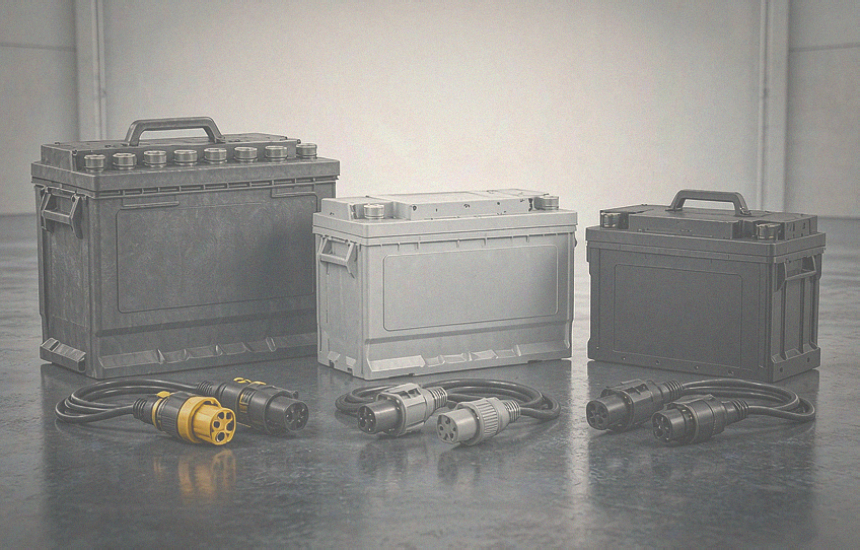
| Charger matching | Must match battery type and capacity. Label chargers and colour-code connectors | Must match pack voltage and communicate with the BMS where supported |
One detail worth writing into the SOP: connect the positive clamp first, then the negative, and label every charger so nobody plugs a 24V truck into a 48V lead. Most connector and charger damage in busy sites comes from a five-second mistake at shift change, not from a defective product.
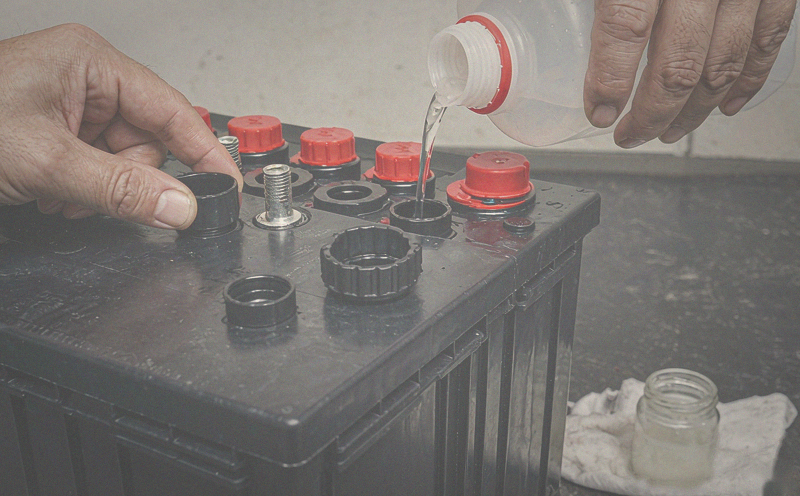
Lead-acid packs need attention that lithium packs simply do not. Skip it and electrolyte levels drop, plates sulfate and corrosion spreads across terminals, which trims performance first and lifespan second.
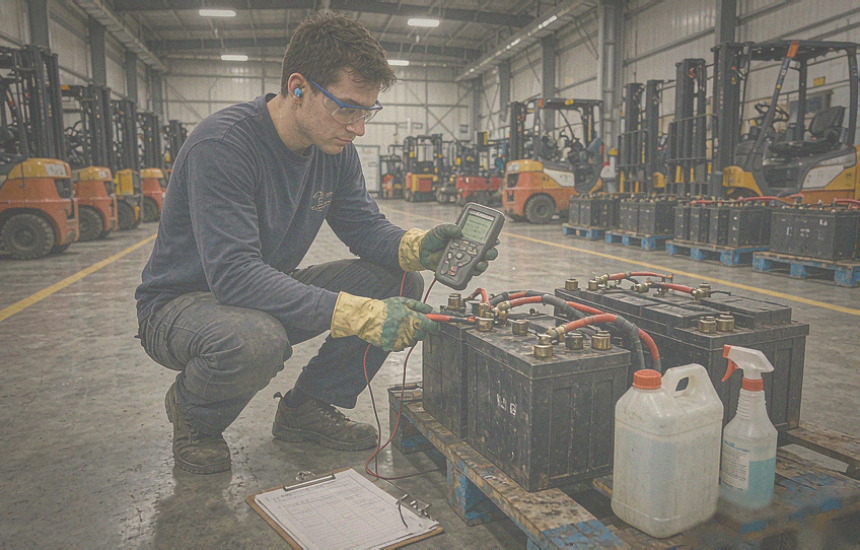
• Check water levels after charging, weekly, or every 5 to 10 charge cycles, whichever comes first.
• Add distilled or deionized water only, and only after the pack has cooled.
• Keep the level slightly above the plates but below the cap, never overfilled.
• Log every watering round against the truck number, so a pack that drinks more than its neighbours gets inspected before it fails.
• Low electrolyte damages plates, reduces capacity and shows up as a truck that tires early in the shift.
• Inspect terminals, connectors, cables and the case for dirt, corrosion or cracks at every check.
• Spot clean weekly, wipe the case and edges monthly, and do a full clean three to six times a year.
• Use a neutralizing agent such as a baking soda solution or a proper battery cleaner, not a hose and hope.
• Confirm vent caps are sealed before washing, and dispose of wastewater through the site's hazardous-waste route.
| Task | Frequency | Lead-Acid | Lithium |
|---|---|---|---|
| Visual inspection of terminals, cables, case | Every shift | Required | Required |
| Water level check and top-up | Weekly or every 5 to 10 cycles | Required | Not applicable |
| Spot clean terminals and case edges | Weekly | Required | Wipe dust as needed |
| Case and edge wipe-down | Monthly | Required | Recommended |
| Full clean with neutralizing agent | 3 to 6 times a year | Required | Not required |
| Equalization charge | As recommended by the charger or manufacturer | Required to de-sulfate plates | Handled automatically by the BMS balancing |
| BMS event log review | Monthly | Not applicable | Recommended, catches early cell drift |
This is the part of the comparison that changes labour budgets. A sealed LiFePO4 pack has no electrolyte to top up, no acid residue to neutralize and no equalization cycle to schedule. What remains is inspection and data, not servicing.
• Keep it in the useful band. Daily opportunity charging is fine, but avoid parking a pack at zero for days, and avoid leaving it at 100 percent in a hot room for long idle periods.
• Store idle packs around 40 to 60 percent state of charge in a cool, dry place, and top them up periodically during long shutdowns.
• Respect the temperature window. Discharge holds up well in cold stores, but charging below freezing damages LiFePO4 cells, so cold-store charging needs pack heating or a BMS low-temperature cutoff.
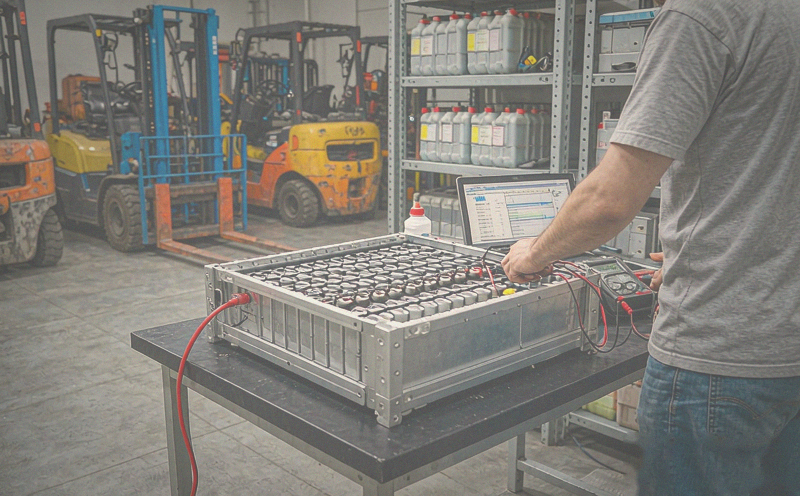
• Read the BMS log, not just the fuel gauge. A monthly export of alarms and cycle counts reveals a drifting cell group long before the driver notices a shorter runtime.
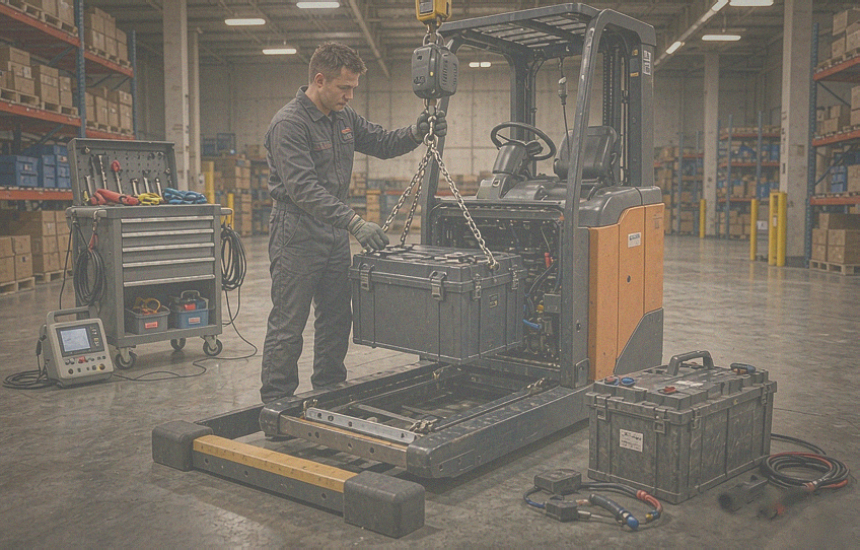
• Check the mechanical side. Terminal torque, connector wear, cable chafe and enclosure integrity matter more than chemistry when a truck works eight hours a day over a dock plate.
• Lift and move packs correctly. A dropped or shock-loaded pack can lose capacity without any visible damage.
• Store cool and dry. Heat accelerates degradation in both chemistries, so keep packs out of direct sun and away from radiators, ovens or hot process areas.
• Inspect before the shift, not after the failure. Terminals, cables and casing, two minutes per truck, every day.
• Wear the right protective equipment and disconnect before handling. For lead-acid that means acid-resistant gloves and eye protection; for lithium it means no rings or watches near terminals and no improvised tools.
• Train everyone who touches a battery. Most premature failures we see trace back to a habit nobody taught, such as unplugging a lead-acid pack mid-cycle or hosing down a terminal block.
| Symptom | Usual Cause | Fix |
|---|---|---|
| Sulfation, lead-acid | Chronic undercharging, partial cycles, long idle time at low charge | Return to complete full charge cycles, run equalization charging where the charger or manufacturer recommends it, and stop disconnecting mid-cycle |
| Overheating during charge | Overcharging, mismatched charger, poor ventilation | Use a correct smart charger, confirm the ventilation path is clear, and stop using any charger that drives temperature up repeatedly |
| Corrosion on terminals | Acid residue, dirt, loose connections | Clean with a baking soda solution or battery cleaner, dry fully, re-torque the connections and check again in a week |
| Shortened capacity, lithium | Sustained exposure to extreme temperature, charging outside the allowed window | Store and charge in a temperature-controlled area, monitor hot and cold operating conditions, and check the BMS log for temperature alarms |
| Truck cuts power under load | BMS protection triggered by over-current or low voltage, or a pack undersized for the duty cycle | Read the fault code first, then review peak current and usable kWh against the real workload rather than assuming a failed pack |
| Runtime drops after a few months | Cell imbalance, a weak group, or a charging habit that never lets the pack balance | Export cycle and alarm data, let the pack complete full charges so balancing can run, and escalate to the supplier with the log rather than the complaint |
A maintenance schedule protects a healthy pack; it cannot rescue a wrong specification. If a lead-acid pack has burned through its rated 1,000 to 1,800 cycles, no watering routine brings capacity back. If a lithium pack is undersized for a three-shift duty cycle, better habits will not create energy that was never in the design. In both cases the honest fix is a pack sized in kWh against measured truck-hour consumption, which is a specification problem rather than a maintenance problem.
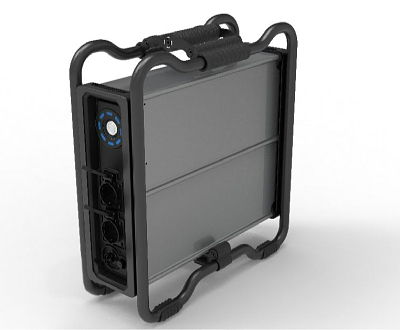
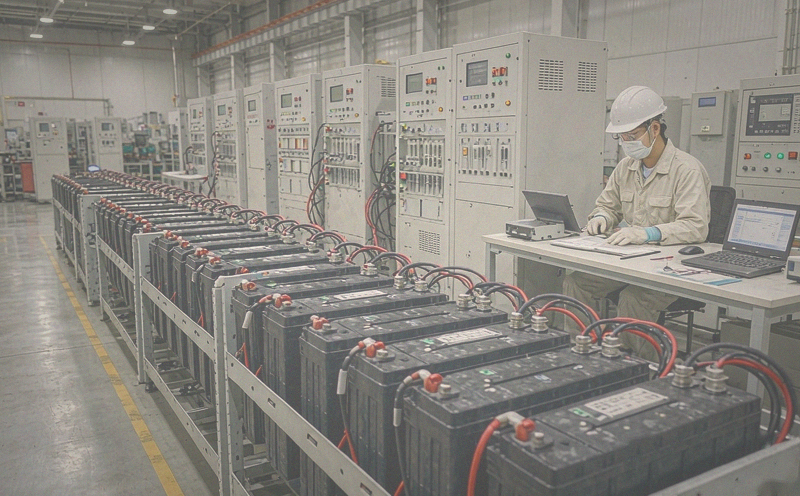
UFOPOWER is a professional lithium battery manufacturer producing forklift packs on in-house lines, factory-direct and to specification. Designing out maintenance starts at the pack level rather than in the maintenance log.
• Sealed enclosure, no electrolyte routine. No watering, no acid handling, no equalization schedule to remember.
• A BMS that records what happened. Alarm history, cycle counts and cell data are exportable, so a fault is diagnosed from evidence instead of a driver's description.
• CAN or RS485 integration so the truck displays state of charge and derates gradually instead of stopping mid-aisle.
• Custom voltage, capacity and enclosure for 24V, 48V and 80V platforms, plus OEM and ODM builds with sample validation before volume.
• 100 percent factory testing of capacity, internal resistance, charge and discharge behaviour and enclosure sealing before shipment, with batch traceability to support warranty conversations later.
If you want the maintenance conversation to start from data rather than guesswork, send your truck models, shift pattern and current fault history. UFOPOWER will review the duty cycle, propose a pack size in kWh and flag the charging habits most likely to cost you cycles.
How often should a lead-acid forklift battery be watered?
Is it bad to charge a lead-acid forklift battery before it is empty?
What maintenance does a lithium forklift battery need?
Why do my forklift battery terminals keep corroding?
Can maintenance recover a battery that has lost runtime?
Does a lithium forklift battery need a ventilation system?


 WhatsApp
 EN
 AR
 DE
 ES
 FR
 JP
 KO
 PT
 RU
 Home >