
 Sep 07, 2026
The rapid expansion of the global battery energy storage system (BESS) market is reshaping how energy is generated, stored and consumed. System performance and price usually get the attention, while the underlying energy storage supply chain stays out of sight — even though it decides whether a project performs as specified, arrives on schedule and keeps running years later.
As market complexity increases, understanding that chain becomes essential for keeping product performance, delivery timelines and long-term operation consistent. As a professional lithium battery manufacturer, UFOPOWER works across every stage described below, from LiFePO4 battery supply and pack assembly to integrated energy storage systems. This article walks through the chain from cell production to full system integration, focusing on the factors that shape quality, stability and scalability.
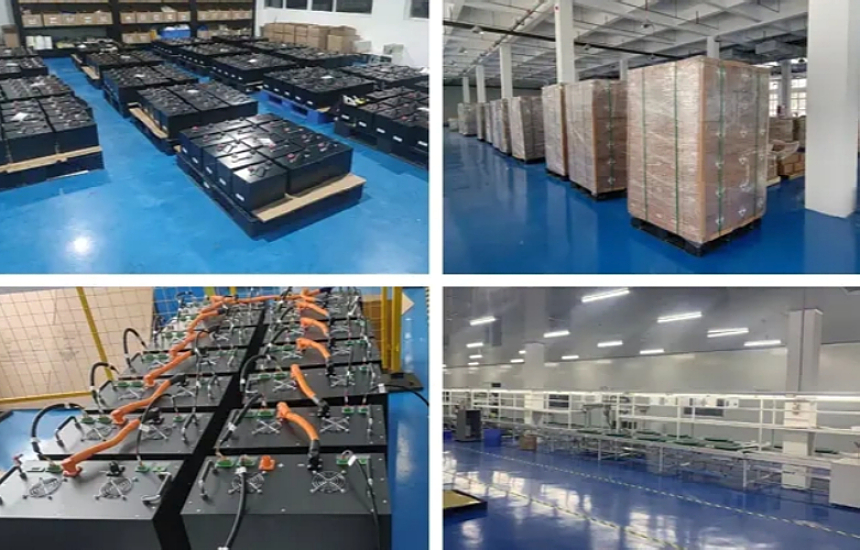
Battery cells form the basis of any lithium-based energy storage system, and their characteristics flow directly into efficiency, safety and lifecycle performance. Four factors matter most: cell chemistry selection (LiFePO4 and other lithium-ion variants), energy density and thermal behaviour, cycle life under realistic operating conditions, and batch consistency with traceability. Variations at the cell level propagate through the whole system, affecting balance, degradation rates and usable capacity over time.
Moving from individual cells to a finished battery pack adds an engineering layer that is critical to system stability. The stage typically covers cell grading and matching, mechanical and thermal structure design, integration of protection components, and functional and safety testing. How well pack assembly is executed directly determines system uniformity and its resilience under varying operating conditions — which is why factory-controlled assembly beats outsourced, piece-by-piece procurement.
The battery management system (BMS) is the control layer of an energy storage system, responsible for keeping operation safe and efficient. Core functions include monitoring voltage, current and temperature; estimating state of charge (SOC) and state of health (SOH); running cell balancing strategies; and executing fault detection and protection. More advanced implementations add remote monitoring, firmware updates and data-driven diagnostics, which support better lifecycle management across a fleet.
System integration combines battery packs with the remaining components to form a complete battery energy storage system. Key elements include battery modules and structural configuration, inverter compatibility, communication interfaces such as CAN and RS485, and environmental protection and enclosure design. Decisions taken here influence installation efficiency, interoperability and how easily a platform scales across different application scenarios.
Compliance is a basic requirement in the global energy storage market. Typical areas include electrical safety standards, transportation requirements such as UN38.3, and regional compliance frameworks. Adherence supports market access, eases project approval and contributes to the credibility of the finished system.
Beyond manufacturing, supply chain performance is closely linked to delivery reliability and project execution. Production capacity and scalability, lead-time consistency, packaging and transport safeguards, and inventory and demand coordination all matter. Disruption in any of these areas shifts deployment schedules and introduces operational uncertainty.
The chain reaches into the operational phase, where ongoing support maintains performance. That includes technical support infrastructure, availability of replacement components, warranty processes and remote diagnostics. Effective lifecycle support is what converts a delivered product into predictable long-term uptime.
| Stage | What It Determines | What to Verify |
|---|---|---|
| 1. Battery cells | Efficiency, safety, cycle life | Chemistry, batch consistency, traceability |
| 2. Pack assembly | Uniformity and durability | Cell grading and matching, thermal structure, testing |
| 3. BMS | Safe, efficient operation | SOC/SOH accuracy, balancing logic, fault protection |
| 4. System integration | Interoperability and scalability | Inverter compatibility, CAN/RS485, enclosure design |
| 5. Certification | Market access and approval | Electrical safety, UN38.3, regional frameworks |
| 6. Logistics | Delivery reliability | Capacity, lead time, packaging, inventory planning |
| 7. Lifecycle support | Long-term uptime | Spare parts, warranty process, remote diagnostics |
Two supply models dominate the storage market, and the difference shows up long before installation.
| Aspect | Trading-Led Supply | Factory-Direct Manufacturer |
|---|---|---|
| Cell sourcing | Purchased from multiple sources | Graded and matched under one specification |
| Assembly control | Often outsourced, hard to audit | In-house production line, traceable batches |
| BMS calibration | Supplier default settings | Calibrated to the actual pack and duty cycle |
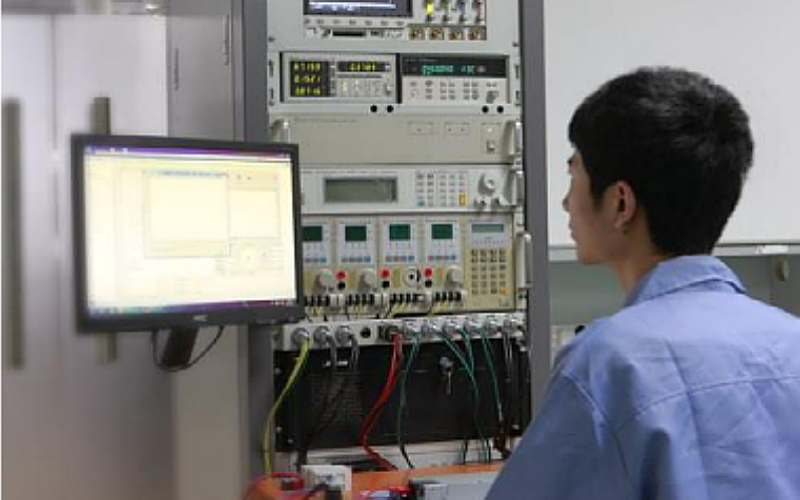
| Testing | Sampling-based | 100% factory testing before shipment |
| Customisation | Limited to what is in stock | OEM/ODM custom battery solutions |
| After-sales | Passed back up the chain | Direct technical support and warranty handling |
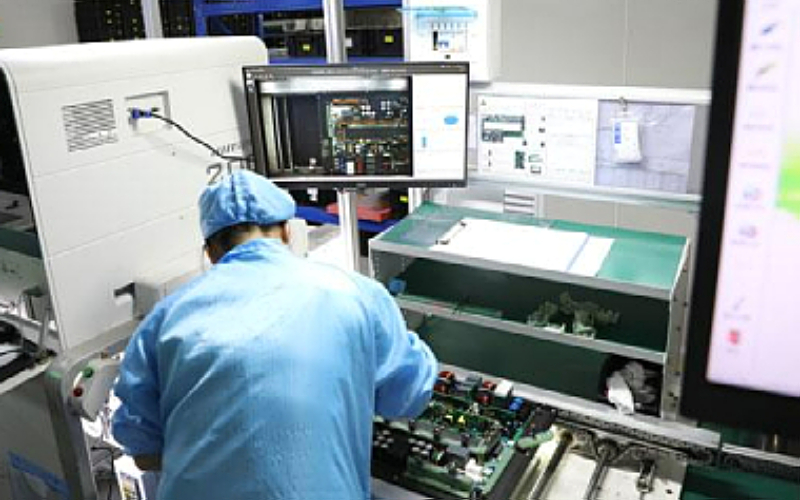
A supply chain perspective shows that energy storage products are not standalone units. Consistency, engineering integration and operational support run through the entire lifecycle — and they are easiest to guarantee when one manufacturer owns the stages instead of handing the product between parties.
As a professional lithium battery manufacturer, UFOPOWER covers the full sequence in-house: LiFePO4 battery supply and cell grading, factory-direct battery pack assembly with strict quality control and 100% factory testing, BMS integration with calibrated protection and balancing logic, and system integration for residential, commercial and industrial storage applications. Custom battery solutions are developed through an OEM/ODM process, with UN38.3 and other certification documentation handled as part of the delivery package rather than left to the buyer to chase.
© 2026 UFOPOWER. All rights reserved. | www.ufobattery.com | Email: sales@ufo-battery.com | UFOPOWER batteries | Custom battery solutions
What is the energy storage supply chain?
Why do battery cells matter more than other components?
What does a BMS actually do in an energy storage system?
Which certifications should buyers check for LiFePO4 battery supply?
Why is factory-direct supply more reliable than trading-led sourcing?
What happens after delivery if a battery fails?


 WhatsApp
 EN
EN AR
AR DE
DE ES
ES FR
FR JP
JP KO
KO PT
PT RU
RU Home >