
 Sep 08, 2026
Running out of power in the middle of nowhere is the fastest way to end a camping trip early. Camper owners have traditionally accepted this as part of the deal with lead-acid batteries — heavy, slow to charge, requiring maintenance and needing replacement every few seasons. A lithium camper battery changes that equation: lighter for the same capacity, faster to charge and far longer-lived, which is why lithium is now the default upgrade for camper trailers, caravans and motorhomes.
As a professional lithium battery manufacturer, UFOPOWER builds LiFePO4 camper battery packs from 12V 7Ah for small devices up to 12V 300Ah for full off-grid living, each one assembled in-house with an integrated smart BMS and tested before shipment. This guide covers how lithium compares with lead-acid, how to size a pack for your camper, and how series and parallel connections extend a system.
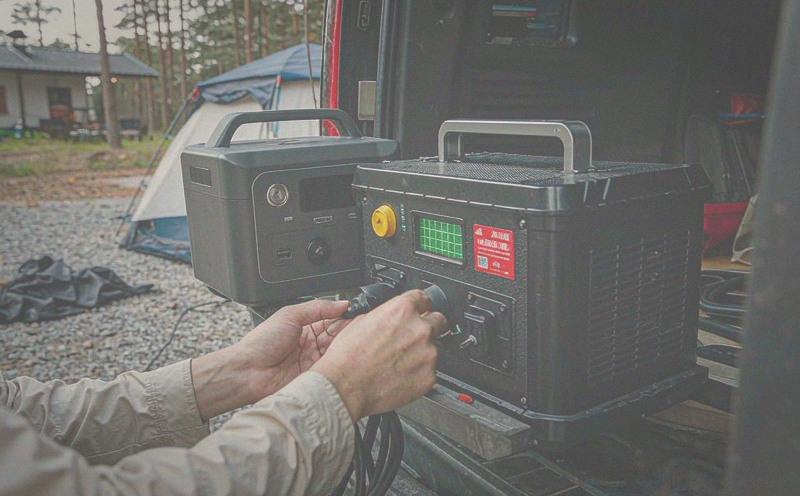
The advantage is not one feature but a combination. Lithium batteries have a higher energy density, so they store more usable energy in the same volume or weight. They charge faster, hold their capacity with essentially zero maintenance, and discharge more of their rated capacity before the voltage drops.
| Aspect | Lead-Acid / AGM | UFOPOWER LiFePO4 |
|---|---|---|
| Usable runtime | Baseline | Up to 3x the run time |
| Charging speed | Slow, efficiency falls as state of charge rises | Up to 5x faster, up to 99% efficiency |
| Cycle life | Around 500 cycles | Up to 6,500 cycles |
| Maintenance | Water topping up, terminal care | Zero maintenance |
| Self-discharge | High, drains in storage | About 3% per month |
| Venting | Required, can vent hydrogen when overcharged | No venting under normal operation |
Capacity should follow the load, not the other way round. Small electronics, lights and a portable refrigerator only need a compact pack; running a full off-grid setup with an inverter, a compressor fridge and a coffee machine calls for a much larger bank.
| Capacity | Typical Use |
|---|---|
| 12V 7Ah – 40Ah | Phones, headlamps, camp lights, portable fridge for short trips |
| 12V 75Ah – 120Ah | Weekend trips, small camper trailers, moderate 12V loads |
| 12V 150Ah – 200Ah | Caravans and motorhomes with fridge, inverter and extended stays |
| 12V 280Ah – 300Ah | Long-term off-grid living, high inverter loads, full-time travel |
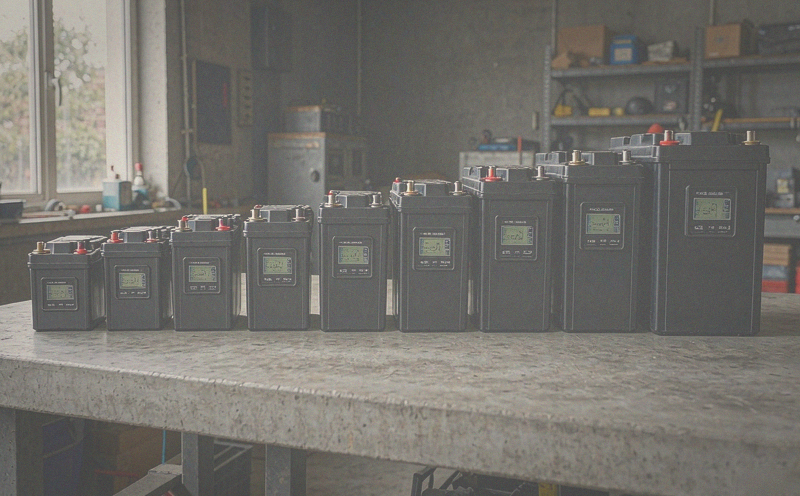
Every UFOPOWER camper battery has an integrated intelligent BMS that prevents overcharging, over-discharging and short circuits, and balances the cells to keep the pack healthy. That protection layer is what makes lithium practical in a vehicle: the battery manages itself while you are away from the campsite.
Charging is where the difference is felt daily. Lithium accepts charge quickly and reaches high efficiency, so a solar array, a DC-DC charger or a shore connection fills the pack in a fraction of the time lead-acid needs. A low self-discharge rate of roughly 3% per month also means a camper that sits unused for weeks still has usable power when the next trip begins. Higher-spec models add Bluetooth monitoring, so state of charge, voltage and temperature can be checked from a phone without opening the battery box.
A single 12V pack is rarely the end of the story. Connecting batteries in series raises voltage to 24V, 36V or 48V for larger inverters, while connecting them in parallel raises capacity to 400Ah, 500Ah or 600Ah and beyond for longer off-grid stays. Because each pack carries its own BMS and matched cells, expansion stays consistent rather than degrading as mixed-age lead-acid banks tend to do.
Travel trailer — mid-capacity 12V packs for lighting, water pumps and fridges.
Caravan — larger banks with inverter support for extended touring.
Pop-up camper — compact, lightweight packs where every kilogram counts.
Truck camper — high-capacity systems for full-time off-grid use.

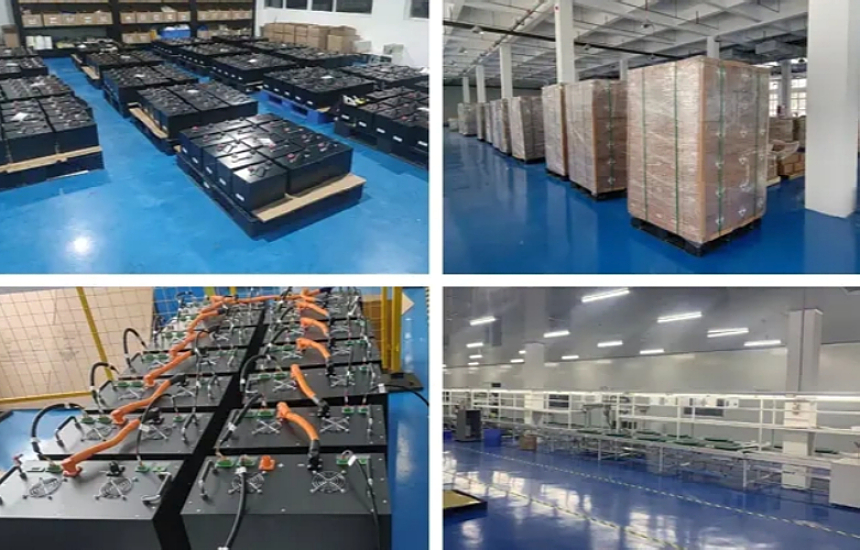
As a professional lithium battery manufacturer, UFOPOWER keeps cell grading, pack assembly, BMS calibration and final testing under one roof. That means factory-direct pricing without a trading layer in the middle, consistent batches with traceability, and quality control that includes testing every pack before it ships rather than sampling a proportion of them.
Camper installations are rarely identical, so custom battery solutions matter: packs can be configured by voltage, capacity, case format and communication interface through an OEM/ODM process, with certification documentation supplied as part of the delivery package. Whether the project is a single caravan or a fleet of rental campers, the same factory controls the build.
© 2026 UFOPOWER. All rights reserved. | www.ufobattery.com | Email: sales@ufo-battery.com | UFOPOWER batteries | Custom battery solutions
Are lithium batteries better for campers?
How much battery capacity does a camper or caravan need?
Do lithium camper batteries need to be vented?
What are the drawbacks of lithium camper batteries?
Can camper batteries be connected in series or parallel?
How does the built-in BMS protect a camper battery?


 WhatsApp
 EN
EN AR
AR DE
DE ES
ES FR
FR JP
JP KO
KO PT
PT RU
RU Home >