
 Sep 03, 2026
전기 오토바이는 남아프리카에서 가장 일반적인 교통 형태 중 하나이며 오토바이 택시는 수십만 명의 운전자에게 매일 교통과 상품 배달의 생명혈액입니다.그러나 불안정한 전력 그리드, 연료 비용이 증가하고 라이더의 소득이 제한되어 있으므로 전통적인 가정용 충전이 실용적이지 않습니다.이러한 제한에서 배터리 교환 모델은 자연스러운 솔루션으로 나타났습니다.아프리카 전자 오토바이 시장에 서비스를 제공하는 전문 리전전يوم 배터리 제조업체로서 UFOPOWER은 왜 전기 오토바이를 위한 배터리 교환 남아프리카 공화국에서 작동 - 그리고 그것을 위해 올바른 배터리를 선택하는 방법.
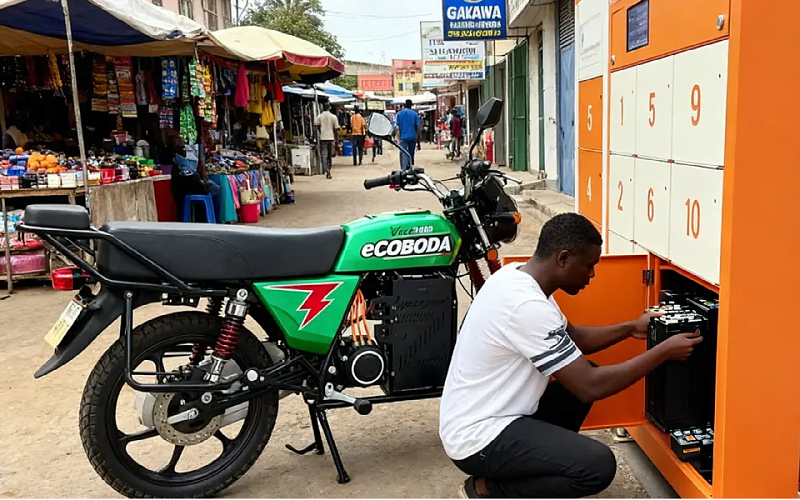
세 가지 힘이 함께 함께 교환 모델을 남아프리카에 적합하게 만들기 위해:
광범위한 시장 기반입니다. 오토바이 택시는 케냐와 우오오오오오오토바이 택시는 아프리카 전역의 운송의 생명오오토바이 택시 운전자가 200만 명 이상이 케냐와 우오오오오간오토바이 택시를 운전하고 있습니다.남아프리카 지역은 전기 오토바이 및 교환 서비스에 대한 준비된 거대한 대상 시장을 제공합니다.
높은 연료 비용.가솔린은 연료 동력 오토바이의 운영 비용의 상당한 부분을 차지하고 있으며, 변동적인 석유 가격은 운전자를 침식시키고 있습니다.소득.전기 오토바이 절단 "연료"비용은 30%-50%로 소득을 얻는 라이더에게 매우 매력적입니다.
인프라 병목. 많은 지역에는 불안정하거나 존재하지 않는 전력망이 있으므로 집 충전이 어려워집니다.느린 충전은 운전자가 돈을 벌기 위해 지속적으로 운전하는 차량을 필요로 하는 동안 시간이 걸리고 있으며 전기 오토바이의 사전 비용은 이미 연료 동력 자전거보다 높습니다.교환은 세 가지 장벽을 한 번에 제거합니다.
오토바이를 생산 도구로 사용하는 라이더에게 시간은 돈이다.배터리 교환은 가솔린 오토바이를 연료로 충전하는 것과 비교할 수 있는 1-3 분만이 걸리지만 빠른 충전에서도 일반적으로 1-2 시간, 느린 충전은 6-8 시간이 필요합니다.스스스스스스스스스스스스스스스스스스스스스스스스스스스스스스스스스스스스스스스스스스스스스스스스스스스스스스스스스스스스스스스
| 연료 / 충전 방법 | 필요한 시간 | 라이더 수입에 미치는 영향 |
|---|---|---|
| 연료 충전 | 몇 분 | 기본선 최소 정지 시간 |
| 배터리 교환 | 1~3분 | 연료 충전과 비교할 수 있습니다 — 거의 24/7 운영 |
| 빠른 충전 | 1-2 시간 | 피크 수익 시간 동안 긴 다운타임 |
| 느린 충전 | 6-8 시간 | 밤만 - 일일 범위 제한 |
경제는 운영자에게도 작동합니다.중앙화된 전문적인 유지보수는 배터리를 최적의 조건 - 일정한 온도와 습도, 정확한 충전/방전 곡선 - 하에서 충전하도록 유지하여 팩 수명을 크게 연장합니다.운영자는 야간 요금 외 충전을 예정하거나 자체 생산 태양 전력을 사용하고 낮 시간 동안 고객에게 서비스를 제공할 수 있습니다.그리고 교환 세금에서 은퇴된 배터리는 여전히 에너지 저장에 재사용될 수 있으며 두 번째 수입 흐름을 열 수 있습니다.A "배터리 서비스로서"모델은 또한 차량 바디를 구입하고 전체 사전 비용을 지불하는 대신 배터리를 대여하는 라이더의 입구 장벽을 낮추습니다.
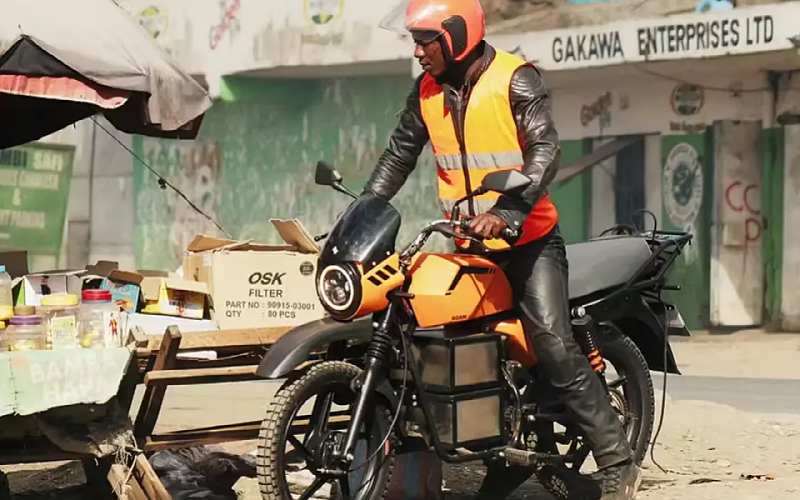
세 가지 화학은 오늘에 나타납니다'아프리카 전자 오토바이 시장:
연산. 여전히 주로 개인, 비 교환 세그먼트에서 사용됩니다.그것의 장점은 낮은 제조 비용과 낮은 시장 가격이지만 주기 수명은 약 300 주기에 불과하며 일부 유형은 정기적인 전해질 유지보수를 필요로 하며, 충전은 약 0.1C-0.3C에서 느리습니다.
LiFePO4 (LFP)입니다. Currently the most preferred battery among battery swapping operators in Africa. It delivers over 3,000 charge cycles — one pack can serve multiple drivers for years, cutting per-use cost and forming the cornerstone of a profitable model. Its chemistry is exceptionally stable: high-temperature resistant, non-flammable, low explosion risk and virtually no thermal runaway. Free of precious metals like cobalt and nickel, it has low and stable raw-material costs, and its excellent high-temperature performance suits Africa's hot climate.
NCM (ternary lithium). 확장된 범위를 위해 일부 운영자가 선택합니다.NCM은 더 높은 에너지 밀도를 제공합니다. 같은 양이나 무게에서 LFP보다 더 긴 범위를 제공합니다. 또한 더 가거운 컴팩트한 팩, 높은 순간 전력을 위한 강한 속도 기능 및 약 -20°C까지 신뢰할 수 있는 방전을 제공합니다.일반적인 주기 수명은 1,200-1,500주기이며, 화학 분야에서 코발트와 니원원원료 비용이 높기 때문에 원료 비용이 높습니다.
| 기준 | 铅산 | LiFePO4는 | NCM (ternary) |
|---|---|---|---|
| 전형적인 주기 수명 | 약 300 주기 | Over 3,000 cycles | 1,200–1,500 cycles |
| 에너지 밀도 | Low | Moderate — lower than NCM | High — more range per charge |
| High-temperature performance | — | Excellent — slower degradation in heat | — |
| Low-temperature performance | — | — | Reliable down to about -20°C |
| Raw-material cost | Low | Low and stable — no cobalt or nickel | Higher — uses cobalt and nickel |
In practice, lithium batteries — LiFePO4 or NCM — are the standard choice for electric motorcycle battery swapping in Africa. Their high energy density extends single-charge range, and when paired with an advanced battery management system they protect drivers and operators while cutting long-term costs through durability.
Lack of standardisation. Battery specifications, interfaces and swap-cabinet designs vary between operators, which can waste resources and limit user choice until governments or industry bodies step in.
Massive capital investment. Building a swap-station network and procuring large quantities of batteries and vehicles demands substantial upfront funding.
Grid and recycling gaps. Even with solar power, large-scale operations still depend on the grid, and battery recycling, second-life use and environmental disposal systems remain underdeveloped in the region.
User habits and trust. Riders must be educated and convinced to switch from long-established fuel-vehicle habits to a new technology.
Policy and regulatory risk. Tax policies, subsidies and industry regulation can significantly change the pace of industry development.
South Africa's climate, power conditions and usage patterns put unusual demands on a swapping battery: it must balance safety, lifespan, cost, weather resistance and maintainability. UFOPOWER's 72V 60Ah electric motorcycle battery for swapping networks is engineered for exactly this environment. Its intelligent thermal management combines liquid cooling and air cooling to keep cell temperatures stable even above 35°C — directly countering the effect of summer heat on battery performance and range. An IP66 protection rating lets the same pack serve both the dry inland climate and the high-humidity, salt-spray conditions of coastal regions.
The pack is built with high-grade A cells supporting 2,000 cycles at 100% depth of discharge — roughly 5–6 years of daily charge/discharge use — which significantly reduces long-term battery replacement costs for commercial operators and protects vehicle resale value for individual riders. A standardised interface makes it compatible with mainstream electric motorcycle models in the South African market, and its intelligent management system supports offline battery swapping, which is critical in remote areas with unstable communication networks. As a professional lithium battery manufacturer, UFOPOWER offers factory-direct OEM/ODM custom battery solutions, including rapid adaptation testing to ensure seamless compatibility across vehicle brands.
Looking ahead, the value of swapping extends beyond transport: each swap station acts as a micro-storage facility that can participate in power market regulation through smart-grid dispatch, strengthening grid stability and creating additional revenue for operators. For South Africa, the model is not just an answer to charging bottlenecks — it is a practical pathway toward cleaner, more efficient and more economical mobility.
Why is battery swapping better than charging for electric motorcycle taxis in South Africa?
How much can riders save with electric motorcycles?
Which battery type is best for battery swapping in South Africa?
How do swapping operators keep batteries safe?
What challenges does the battery swapping model face?
Do you supply swapping batteries designed for the South African market?


 WhatsApp의
 EN
EN AR
AR DE
DE ES
ES FR
FR JP
JP KO
KO PT
PT RU
RU 홈 >
홈 >