

 2026年9月3日
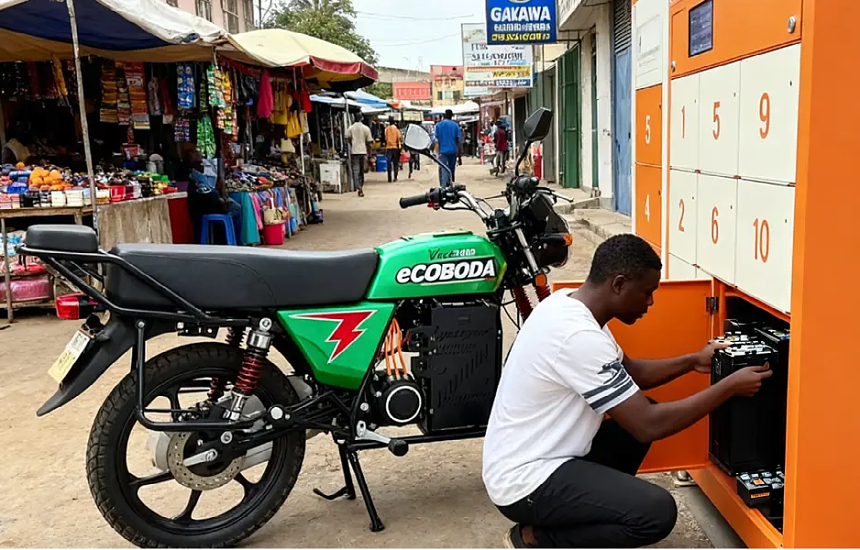
電動バイクは南アフリカで最も一般的な交通手段の一つであり、バイクタクシーは数十万人のドライバーが日常的に通勤し、荷物を配送する生命線である。しかし、不安定な電力網、上昇する燃料コスト、限られた乗客収入は、伝統的な家庭の充電を非現実的にしている。これらの制限から抜け出して、電池交換モデルは自然な解決策となっている。アフリカの電動バイク市場にサービスを提供するリチウムイオン電池専門メーカーとして、UFOPOWERはなぜ 電動バイクのバッテリー交換 南アフリカで動作し、適切なバッテリを選択する方法
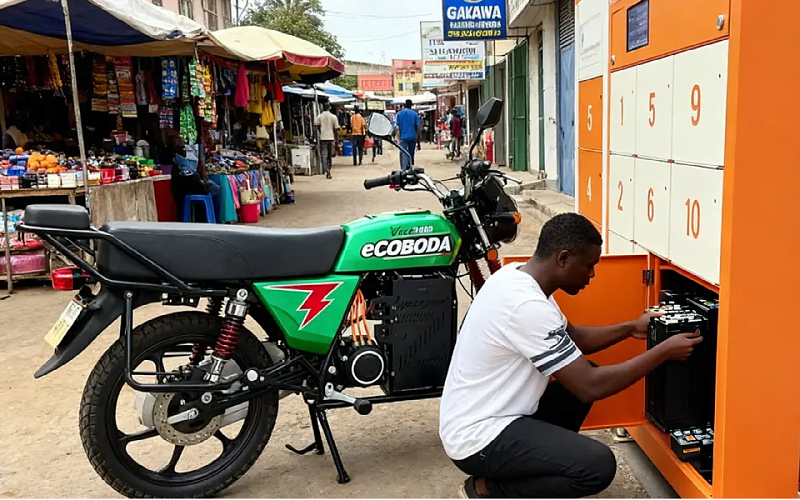
3つの力が共同作用し、交換モードを南アフリカに最適化する:
巨大な市場基盤。 南部アフリカ地域は電動バイクと交換サービスのために既製、巨大なターゲット市場を提供している。
燃料コストが高い。ガソリンは燃料バイクの運営費の中で大きな割合を占め、ガソリン価格の変動は運転手を絶えず蝕んでいる。収入。燃料」、コストは30%〜50%削減され、これは乗客の収入創出に非常に魅力的である。
インフラのボトルネック。 多くの地域では電力網が安定していないか、まったく存在していないため、家庭での充電が困難になっています。徐行充電には数時間かかるが、運転手は車を走り続けなければお金を稼ぐことができない--電動バイクの前期コストは燃料駆動バイクよりも高くなっている。交換は3つの障害を同時に解消することができます。
バイクを生産道具として使う騎手にとって、時間は金である。バッテリー交換には1~3分しかかかりません。ガソリンバイクへの給油に相当しますが、急速充電でも通常1~2時間、徐行充電では6~8時間かかります。
| 給油/チャージ方式 | 所要時間 | 騎手の収入への影響 |
|---|---|---|
| ガソリン給油 | 数分 | ベースライン:最小ダウンタイム |
| 電気を換える | 1~3分 | 給油に匹敵する--24/7に近い運行 |
| 急速充電 | 1~2時間 | 収益ピーク時に長時間ダウンタイム |
| スローチャージ | 6~8時間 | Overnight only — limits daily range |
The economics work for operators too. Centralized, professional maintenance keeps batteries charging under optimal conditions — constant temperature and humidity, precise charge/discharge curves — which significantly extends pack lifespan. Operators can schedule charging during off-peak night rates or use self-generated solar power, then serve customers during peak daytime hours. And batteries retired from swapping duty can still be repurposed for energy storage, unlocking a second revenue stream. A "battery-as-a-service" model also lowers the entry barrier for riders, who buy the vehicle body and lease the battery instead of paying the full upfront cost.
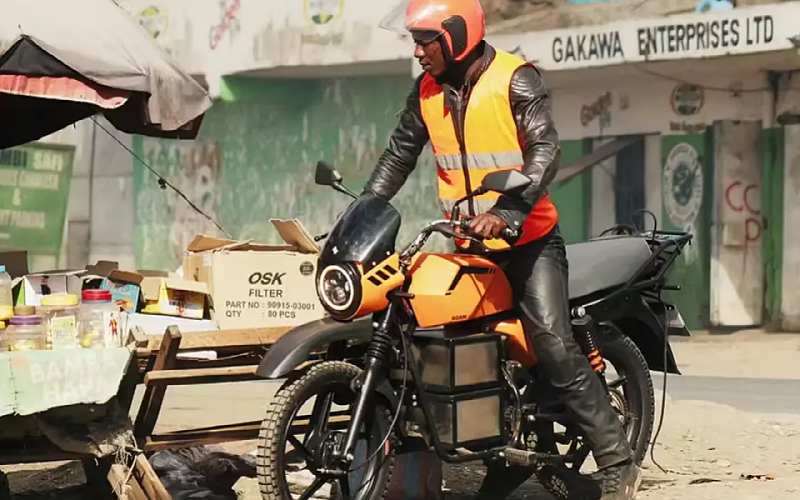
今日は3つの化学物質が現れました' ;アフリカの電動バイク市場:
Lead-acid. Still used mainly in the personal, non-swapping segment. Its advantages are low manufacturing cost and low market price — but cycle life is only around 300 cycles, some types need periodic electrolyte maintenance, and charging is slow at roughly 0.1C–0.3C.
LiFePO4(LFP)。 Currently the most preferred battery among battery swapping operators in Africa. It delivers over 3,000 charge cycles — one pack can serve multiple drivers for years, cutting per-use cost and forming the cornerstone of a profitable model. Its chemistry is exceptionally stable: high-temperature resistant, non-flammable, low explosion risk and virtually no thermal runaway. Free of precious metals like cobalt and nickel, it has low and stable raw-material costs, and its excellent high-temperature performance suits Africa's hot climate.
NCM(三元リチウム)。 一部のキャリアによって範囲を広げるために選択されています。NCMはより高いエネルギー密度を提供し、同じ体積または重量でLFPより遠い射程を提供し、より軽く、よりコンパクトな包装、高瞬時電力の強力な速度能力、および-20°C程度まで低い信頼性のある放電を提供する。典型的なサイクル寿命は1200〜1500サイクルであり、化学物質はコバルトとニッケルを使用するため、原材料コストがより高い。
| 標準 | なまりさん | リン酸鉄リチウム | NCM (ternary) |
|---|---|---|---|
| Typical cycle life | Around 300 cycles | Over 3,000 cycles | 1,200–1,500 cycles |
| エネルギー密度 | Low | Moderate — lower than NCM | High — more range per charge |
| High-temperature performance | — | Excellent — slower degradation in heat | — |
| Low-temperature performance | — | — | Reliable down to about -20°C |
| Raw-material cost | Low | Low and stable — no cobalt or nickel | Higher — uses cobalt and nickel |
In practice, lithium batteries — LiFePO4 or NCM — are the standard choice for electric motorcycle battery swapping in Africa. Their high energy density extends single-charge range, and when paired with an advanced battery management system they protect drivers and operators while cutting long-term costs through durability.
Lack of standardisation. Battery specifications, interfaces and swap-cabinet designs vary between operators, which can waste resources and limit user choice until governments or industry bodies step in.
Massive capital investment. Building a swap-station network and procuring large quantities of batteries and vehicles demands substantial upfront funding.
Grid and recycling gaps. Even with solar power, large-scale operations still depend on the grid, and battery recycling, second-life use and environmental disposal systems remain underdeveloped in the region.
User habits and trust. Riders must be educated and convinced to switch from long-established fuel-vehicle habits to a new technology.
Policy and regulatory risk. Tax policies, subsidies and industry regulation can significantly change the pace of industry development.
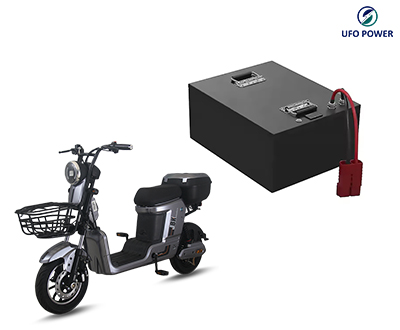
South Africa's climate, power conditions and usage patterns put unusual demands on a swapping battery: it must balance safety, lifespan, cost, weather resistance and maintainability. UFOPOWER's 72V 60Ah electric motorcycle battery for swapping networks is engineered for exactly this environment. Its intelligent thermal management combines liquid cooling and air cooling to keep cell temperatures stable even above 35°C — directly countering the effect of summer heat on battery performance and range. An IP66 protection rating lets the same pack serve both the dry inland climate and the high-humidity, salt-spray conditions of coastal regions.
The pack is built with high-grade A cells supporting 2,000 cycles at 100% depth of discharge — roughly 5–6 years of daily charge/discharge use — which significantly reduces long-term battery replacement costs for commercial operators and protects vehicle resale value for individual riders. A standardised interface makes it compatible with mainstream electric motorcycle models in the South African market, and its intelligent management system supports offline battery swapping, which is critical in remote areas with unstable communication networks. As a professional lithium battery manufacturer, UFOPOWER offers factory-direct OEM/ODM custom battery solutions, including rapid adaptation testing to ensure seamless compatibility across vehicle brands.
Looking ahead, the value of swapping extends beyond transport: each swap station acts as a micro-storage facility that can participate in power market regulation through smart-grid dispatch, strengthening grid stability and creating additional revenue for operators. For South Africa, the model is not just an answer to charging bottlenecks — it is a practical pathway toward cleaner, more efficient and more economical mobility.
Why is battery swapping better than charging for electric motorcycle taxis in South Africa?
How much can riders save with electric motorcycles?
Which battery type is best for battery swapping in South Africa?
How do swapping operators keep batteries safe?
What challenges does the battery swapping model face?
Do you supply swapping batteries designed for the South African market?


 EN
EN AR
AR DE
DE ES
ES FR
FR JP
JP KO
KO PT
PT RU
RU 家(いえ) >


 WhatsApp