
 Sep 02, 2026
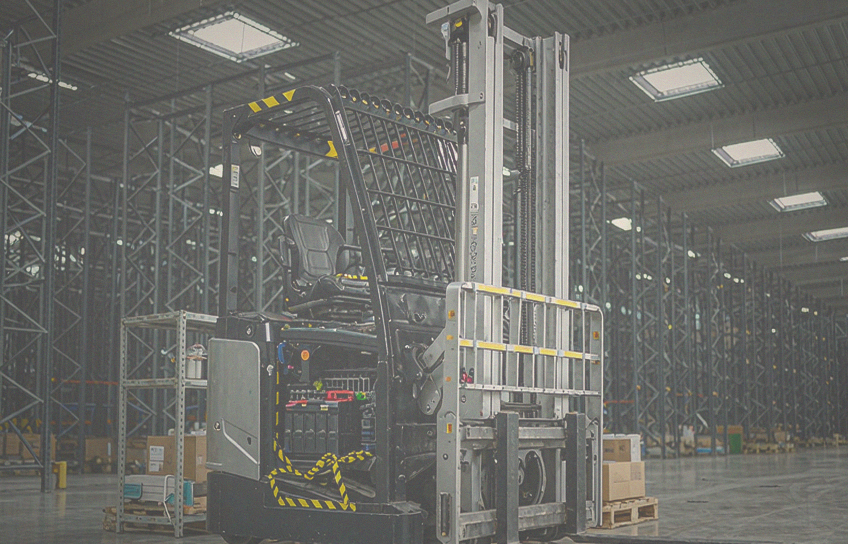
In today’s fast-moving industrial and logistics environment, forklifts play a critical role in warehouses, manufacturing facilities, distribution centers, and construction operations. As businesses continue to improve efficiency and reduce operating costs, the demand for reliable and high-performance forklift batteries is increasing worldwide.
For many years, lead-acid batteries were the traditional power source for electric forklifts. However, with the development of lithium battery technology, more companies are switching to lithium forklift batteries due to their longer lifespan, higher efficiency, faster charging capability, and lower maintenance requirements. As a professional lithium battery manufacturer, UFOPOWER focuses on providing high-quality LiFePO4 forklift battery solutions for global industrial customers. With advanced lithium battery technology and extensive application experience, UFOPOWER supports businesses looking for safer, more efficient, and more sustainable energy solutions.
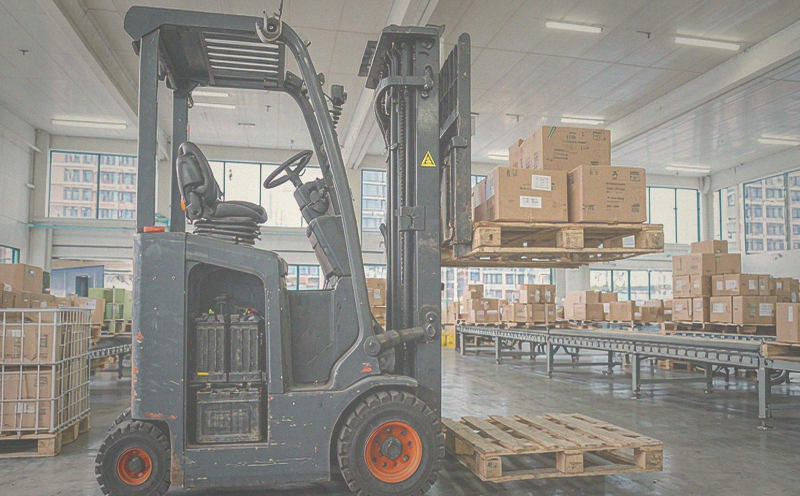
A professional forklift battery manufacturer plays a key role in the entire battery supply chain. Unlike simple distributors or traders, manufacturers control the core processes of battery production, including cell selection, battery pack assembly, BMS integration, performance testing, and quality inspection. A forklift operating in a warehouse or factory environment may work for several hours every day, and unexpected battery failures can cause production delays and increased operational costs. A reliable manufacturer ensures stable power output during operation, long service life under frequent charging cycles, strong safety protection, consistent product performance and professional technical support.
When purchasing forklift batteries, companies often need to decide whether to work with a manufacturer or a distributor. A distributor mainly focuses on product sales and delivery, while a manufacturer controls the technology and production process:
| Dimension | Direct Battery Manufacturer | Battery Distributor |
|---|---|---|
| Quality Control | Monitors every production stage, from battery cells to finished products | Sells and delivers products from other producers |
| Supply Capability | Stable production capacity for multiple units and long-term projects | Depends on upstream stock and availability |
| Technical Support | Guidance based on real operating conditions (BMS, charging, applications) | Limited to product information |
For global B2B customers, selecting a trustworthy forklift battery manufacturer is not only about purchasing a battery — it is about building a reliable energy supply partnership.
The forklift industry is experiencing a major transition from traditional lead-acid batteries to lithium battery solutions. Although lead-acid batteries have been widely used for decades, they have several limitations: shorter cycle life, longer charging time, regular maintenance requirements, lower energy efficiency, and performance reduction during heavy-duty operation.
Lithium iron phosphate (LiFePO4) batteries solve many of these challenges and have become one of the preferred choices for industrial forklift applications because of their excellent safety, durability and energy efficiency. Compared with traditional batteries, lithium forklift batteries offer:
Longer service life — significantly more charging cycles than conventional lead-acid batteries, reducing replacement frequency and long-term operating expenses.
Faster charging capability — opportunity charging lets operators recharge during short breaks instead of waiting for long charging periods. This is especially valuable for warehouses operating multiple shifts, distribution centers with continuous logistics operations, and manufacturing facilities requiring high equipment availability.
Higher energy efficiency — more efficient energy conversion helps forklifts operate longer with stable power output.
Reduced downtime and maintenance — LiFePO4 batteries do not require regular watering or acid maintenance, so equipment spends more time working and battery management is simpler in busy industrial environments.
Choosing the right supplier is not only about finding a competitive price. For industrial applications, battery quality, production capability, safety standards and long-term support are equally important.
A reliable manufacturer should have control over key production processes, including battery cell selection, battery module assembly, BMS integration, performance testing, safety inspection and final quality control. Professional manufacturers also invest in testing equipment to evaluate charging and discharging performance, battery capacity, temperature resistance, protection functions and long-term cycle performance — essential for industrial customers that require batteries to operate reliably in demanding environments.
Different forklifts require different battery specifications based on their power requirements, operating hours and working environments. A professional manufacturer should provide a wide range of standard lithium battery solutions:
| Voltage Platform | Typical Applications | Best Suited For |
|---|---|---|
| 24V | Electric pallet trucks, walkie stackers, small warehouse equipment | Light-duty applications needing compact, efficient energy |
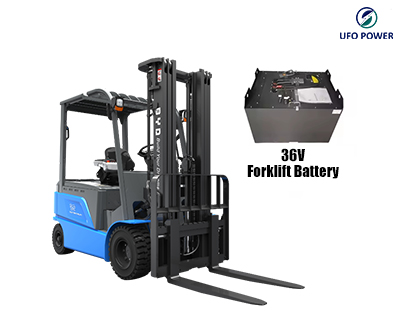
| 36V | Reach trucks, electric stackers, medium-duty forklifts | Balanced power output and operating efficiency |
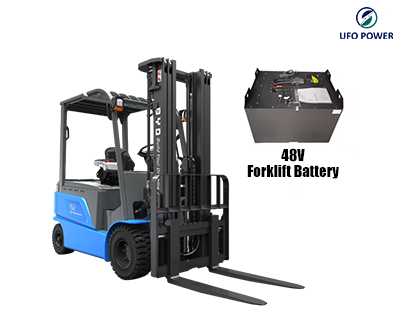
| 48V | Counterbalance forklifts, warehouse forklifts, distribution center equipment | Long working hours with higher energy capacity and strong performance |
| 72V | Large electric forklifts, heavy material handling equipment | Heavier-duty applications requiring high power output |
Safety is one of the most important factors when selecting lithium forklift batteries. High-quality LiFePO4 batteries are known for excellent thermal stability and safety characteristics compared with other lithium battery chemistries. A professional manufacturer should integrate an advanced Battery Management System (BMS) that provides overcharge protection (preventing excessive charging that may affect battery lifespan), over-discharge protection (preventing damage caused by deep discharge), over-current protection (protecting the battery during high-load operation) and temperature monitoring (ensuring safe operation under different working conditions).
When purchasing forklift batteries, many companies only compare the initial purchase price. However, the real cost of a battery includes maintenance, replacement frequency, charging efficiency and operational downtime. This is why more businesses evaluate the Total Cost of Ownership (TCO) when choosing lithium forklift batteries.
Lower maintenance costs — traditional lead-acid batteries require water refilling, acid level inspection, cleaning and maintenance scheduling. LiFePO4 batteries require minimal maintenance, reducing labor costs and simplifying battery management.
Longer battery lifespan — because LiFePO4 forklift batteries typically offer longer cycle life, businesses reduce replacement frequency, lowering replacement costs and equipment interruption.
Higher operational efficiency — lithium batteries support fast charging and opportunity charging with stable power output, allowing forklifts to spend more time performing productive work instead of waiting for battery replacement or maintenance.
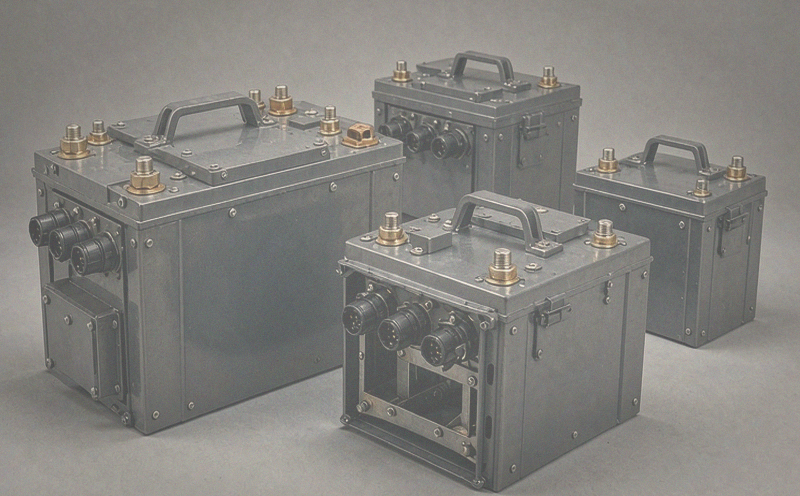
As global industries accelerate their transition toward electrification, choosing a reliable lithium battery partner has become increasingly important. Companies need more than just a battery supplier — they need a manufacturer that understands industrial applications, provides consistent product quality, and supports long-term business growth.
UFOPOWER is a professional lithium battery manufacturer specializing in LiFePO4 battery solutions for industrial and commercial applications, including electric forklifts, reach trucks, pallet trucks, stackers, warehouse equipment and other industrial material handling applications. UFOPOWER provides standard lithium forklift battery solutions covering 24V, 36V, 48V and 72V voltage platforms, helping customers select suitable battery systems based on equipment specifications and operational needs.
Standardized solutions offer faster project implementation (shorter evaluation and purchasing cycles than fully customized development), stable product quality (consistent manufacturing processes) and easier global supply (reliable availability and repeatable performance). Battery quality is controlled through multiple production and testing procedures, including battery cell inspection, electrical performance testing, BMS function verification, charging and discharging tests, and safety inspection before shipment. With in-house manufacturing and strict quality management, UFOPOWER aims to provide dependable lithium battery solutions for customers in different industrial markets.
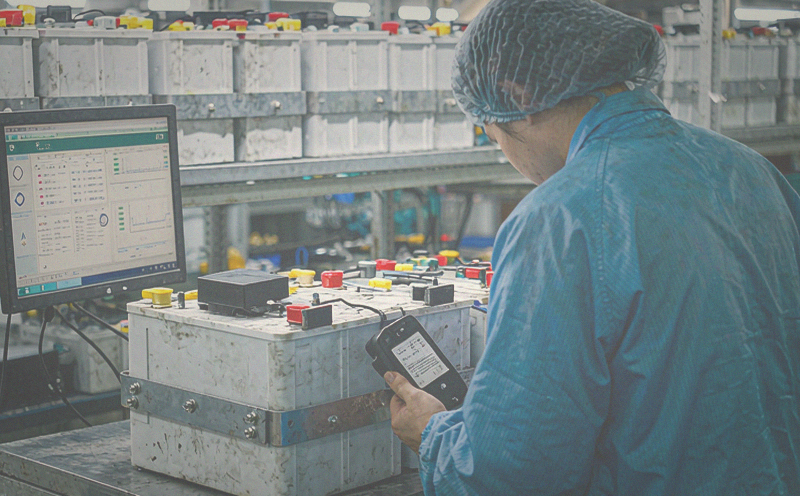
The forklift industry is entering a new stage of energy transformation. More warehouses, factories and logistics companies are choosing lithium batteries because they offer clear advantages over traditional technologies. Key drivers include higher productivity requirements (equipment that works longer with fewer interruptions), rising energy efficiency expectations and lower maintenance demand. As a result, lithium forklift batteries are becoming a mainstream solution for electric material handling equipment.
Future forklift batteries will also become increasingly intelligent. Advanced battery systems are expected to provide real-time battery status monitoring, usage data analysis, predictive maintenance information and improved energy management, helping large facilities improve fleet efficiency and reduce unexpected downtime.
In addition, sodium-ion battery technology is attracting attention for future industrial applications, with potential advantages such as better low-temperature performance, reduced dependence on certain raw materials and strong safety characteristics. Manufacturers investing in multiple battery technologies will be better positioned to support future energy demands.
Selecting the right forklift battery manufacturer is an important decision for companies looking to improve efficiency, reduce operating costs and achieve more reliable industrial operations. A professional lithium battery manufacturer should provide stable manufacturing capability, reliable LiFePO4 battery technology, intelligent BMS protection and long-term technical support. For businesses searching for a reliable forklift battery supplier, UFOPOWER provides standard and customized lithium solutions backed by factory-direct production, strict quality control and global B2B service experience.
What is the difference between a forklift battery manufacturer and a distributor?
Why switch forklifts from lead-acid to LiFePO4 batteries?
Which forklift battery voltage do I need: 24V, 36V, 48V or 72V?
What safety features should a lithium forklift battery have?
How does UFOPOWER control forklift battery quality?
What are the future trends for forklift batteries?


 WhatsApp
 国家1
国家1 Home >