
 Oct 10, 2026
Every camper needs an RV battery that can run its appliances and survive years of charge and discharge cycles. Traditional RV batteries are lead-acid devices built from a series of cells, and understanding how they work makes it much easier to choose the right one — and to keep it alive. As a professional lithium battery manufacturer, UFOPOWER explains the basics below, then covers what to look for and the two mistakes that kill more RV batteries than anything else.
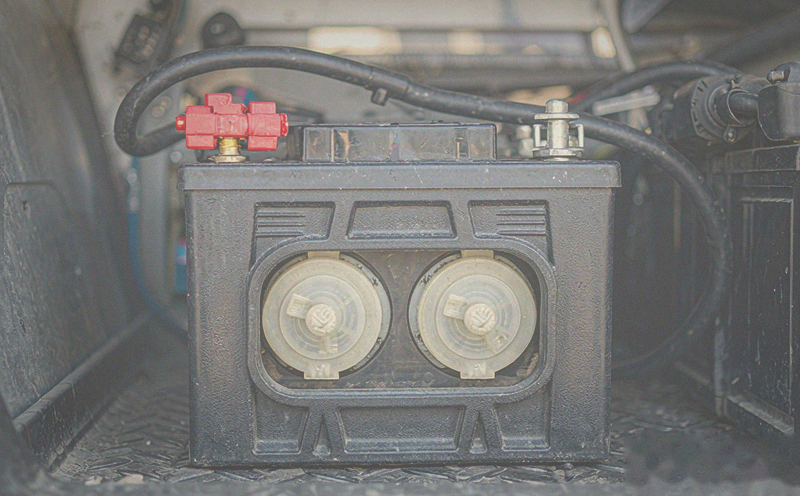
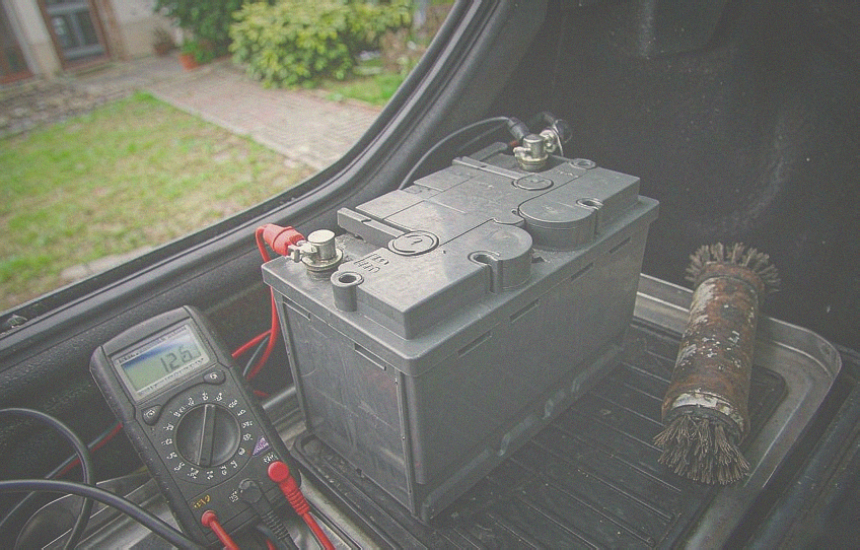
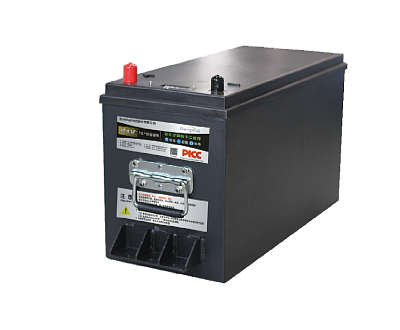
A lead-acid RV battery is made of several cells connected in series. Each cell produces about 2.1 volts, so a 12V battery holds six cells and actually measures around 12.6 volts at rest. Manufacturers build the cells from plates, lead and lead oxide, all immersed in an electrolyte that is roughly 64% water and 36% sulfuric acid.
It is important to remember that a lead-acid battery stores electricity rather than creating it. How much charge it can hold depends on the size of the lead plates and the volume of electrolyte, which is why physically larger batteries generally offer more capacity.
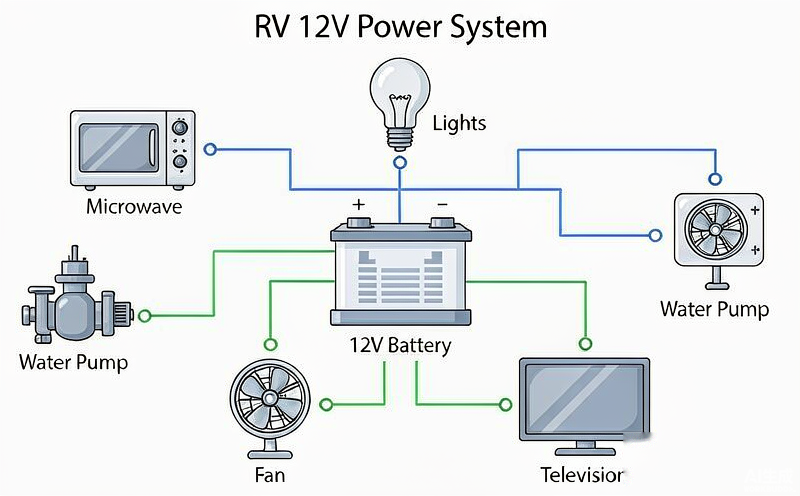
A charged RV battery runs the 12V circuits that make camping comfortable: lights, a microwave, the water pump, small appliances, a fan and an AC/DC television. RV batteries are built to be discharged and recharged repeatedly, which is why they often outlast ordinary car batteries. As a rule, a lead-acid RV battery should not be drained below about 50% of its capacity if you want it to last — deep-cycle lithium batteries, by comparison, can safely use around 80% of their rated capacity.
Beyond capacity, look at how the battery is built for the way you camp. A long service life matters most, because it decides your cost per season rather than the sticker price. If you camp in cold weather, look for freeze-resistant construction, and if the battery will sit in an enclosed compartment or take a beating on rough roads, choose a sealed, leak- and spill-proof design.
For campers who want more usable capacity in less weight, a lithium (LiFePO4) battery is worth comparing: it is lighter, maintenance-free and can be discharged much deeper, which is why many owners upgrade once their first lead-acid set reaches the end of its life.
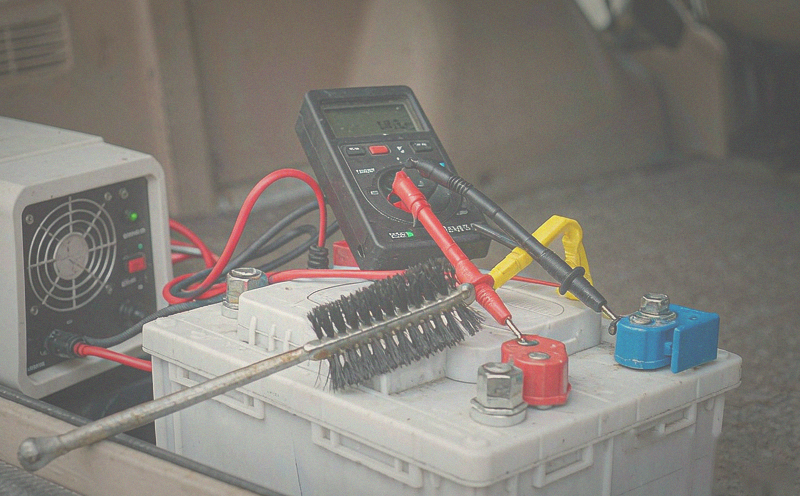
With proper care, an RV battery lasts a long time — and two charging habits decide most of its lifespan. An undercharged battery is repeatedly drained and used again without a full recharge; when that happens, sulfate hardens into crystals on the plates, becomes inactive and can no longer produce power. An overcharged battery is just as vulnerable: it suffers corrosion, loses water and can fail early.
| Problem | Cause | What to do |
|---|---|---|
| Hardened sulfate, lost capacity | repeated undercharging | always finish a full recharge |
| Corrosion and water loss | overcharging | use a smart, voltage-regulated charger |
| Shortened battery life | discharging too deeply | keep a lead-acid battery above about 50% |
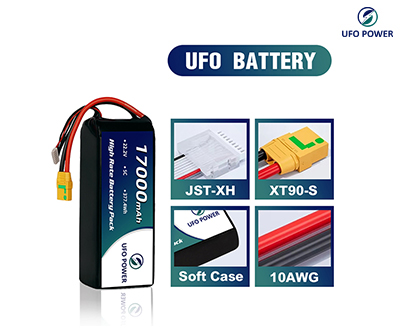
UFOPOWER is a professional lithium battery manufacturer producing LiFePO4 RV battery packs from 12V to 48V. Each pack pairs LiFePO4 cells with a smart BMS that protects against overcharge, over-discharge, over-temperature and short circuits, so you get deep usable capacity without the watering and sulfate problems of lead-acid. Every pack is assembled on our in-house production lines and tested before it ships.
• Custom 12V, 24V and 48V LiFePO4 packs, sized to your daily amp-hour needs
• Maintenance-free, sealed housings for enclosed compartments and rough roads
• Smart BMS safety and optional low-temperature charging protection
• OEM/ODM and factory-direct service, from prototype to volume production
• 100% factory testing and strict quality control on every pack
Why does a 12V RV battery read about 12.6 volts?
What can an RV battery run?
How deep can I discharge a lead-acid RV battery?
Why does undercharging damage an RV battery?
Why is overcharging an RV battery a problem?
Is a lithium RV battery better than lead-acid?


 WhatsApp의
 EN
EN AR
AR DE
DE ES
ES FR
FR JP
JP KO
KO PT
PT RU
RU 홈 >
홈 >