Lithium-ion and lithium-polymer batteries power everything from smartphones to electric vehicles, and the more of them the world ships, the more regulators want proof that they are safe, transportable and legally sellable. That proof comes in the form of certifications — and for a buyer or product manager, the certification list on a battery datasheet is often the fastest way to tell a serious supplier from a trader.
This guide walks through the main Li-ion and LiPo battery certifications by category: safety, transport, environmental, quality management, market access and industry-specific requirements. UFOPOWER is a professional lithium battery manufacturer, and this is the framework we use when a customer asks which documents a custom pack will need for their market.
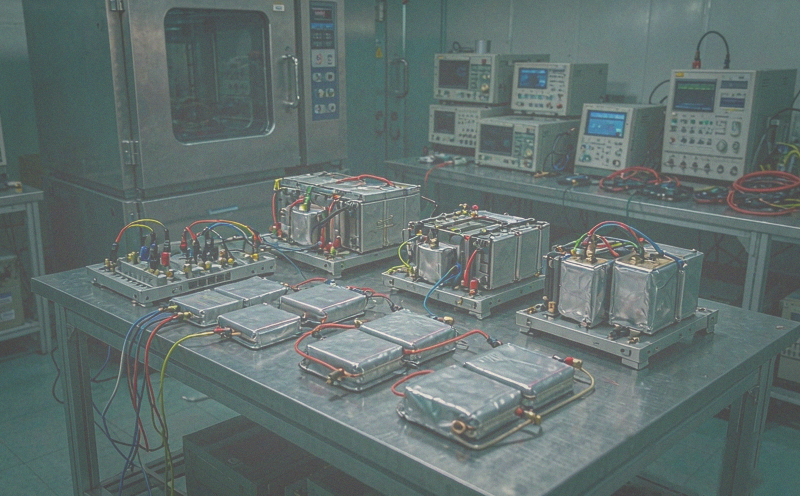
Why Battery Certifications Matter
Certification is not paperwork for its own sake. It is the mechanism that keeps thermal runaway, fire and environmental harm out of the supply chain, and it is the passport that lets a product cross a border, board a plane or appear on a retail shelf. A battery that works perfectly in the lab but lacks a UN 38.3 test summary simply will not ship.
For buyers, the practical value is different: certifications tell you which tests were actually run, at cell level or pack level, and which markets the product is cleared for. That is why the same cell can be perfectly acceptable in one application and non-compliant in another.
Safety Certifications: The Foundation
Safety standards define how a cell or pack must behave under abuse — mechanical, electrical and environmental. They are the bedrock of every other approval, because transport and market-access schemes usually reference them.
| Стандартный | Level | What It Covers | Typical Market |
|---|
| IEC 62133-2 | Cell and pack | Safety of portable sealed secondary lithium cells and batteries under mechanical, electrical and environmental abuse | Global baseline |
| UL 1642 | Cell | Fire and explosion risk under crush, impact, shock, vibration, heating and short circuit | North America |
| UL 2054 | Pack | Pack-level safety including protective circuitry, enclosure and wiring; overcharge, short circuit, crush, impact, temperature cycling, flame exposure | North America |
| UL 62133 | Cell and pack | UL adoption of IEC 62133, harmonising North American and international requirements | US and Canada |
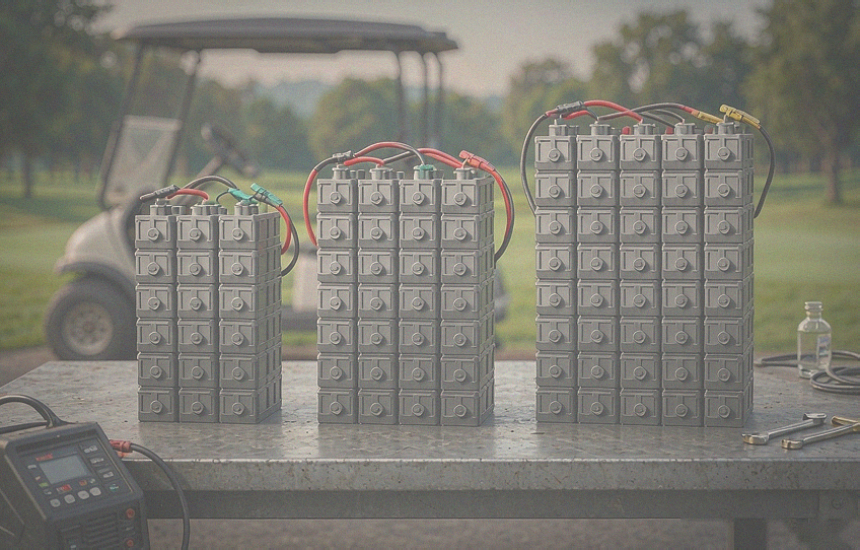
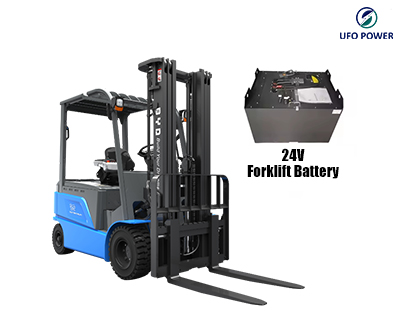
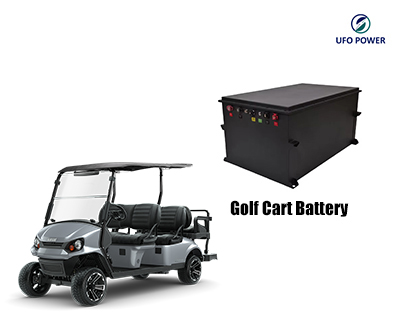
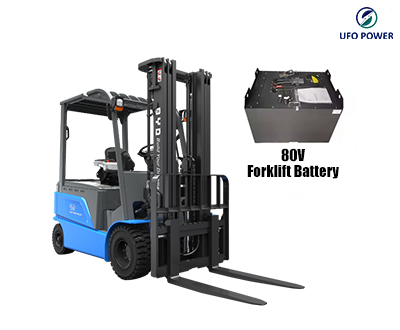
| IEC 62619 | Industrial pack | Safe operation of industrial lithium cells and batteries: thermal propagation, internal short circuit, BMS evaluation, environmental and mechanical stress | Stationary storage, forklifts, golf carts and other motive applications |
The cell-versus-pack distinction catches a lot of buyers out. UL 1642 tests a bare cell; UL 2054 tests the assembled pack with its protection circuit, housing and wiring. A supplier who can show cell certificates but no pack-level report has not yet proved that the product you are buying is safe.
Transport Certifications: Getting the Shipment Out
Lithium batteries are dangerous goods. Transport certification is what allows them to move by air, sea or road without being delayed, refused or confiscated.
• UN 38.3 — part of the United Nations Manual of Tests and Criteria, and mandatory for lithium batteries shipped internationally. It requires eight tests: altitude simulation, thermal cycling, vibration, shock, external short circuit, impact, overcharge and forced discharge. A Test Summary document is required by IATA and other bodies.
• MSDS / SDS — not a certification but a mandatory document describing chemical composition, hazards, handling, storage, emergency measures and transport information. It underpins workplace safety and compliance with OSHA in the US and REACH in the EU.
• IATA DGR — the air transport rulebook. It builds on UN 38.3 and adds packaging instructions, Class 9 hazard labelling, documentation and quantity limits, including a state-of-charge limit typically at or below 30% for standalone batteries.
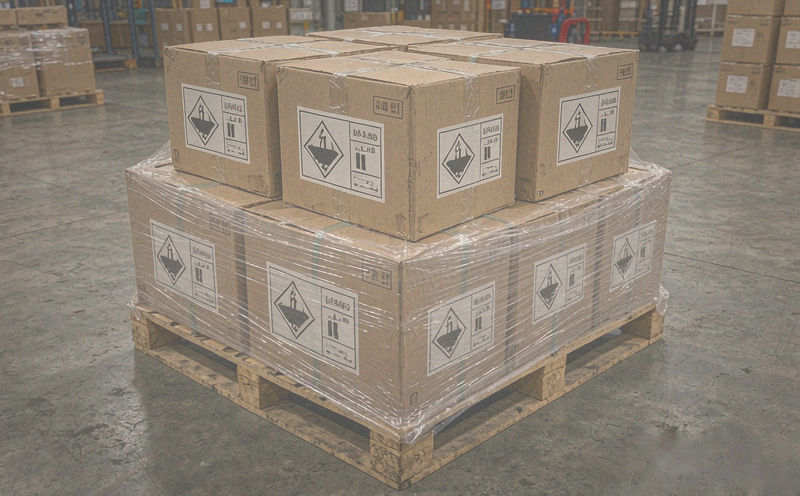
Two classification details decide the paperwork: UN 3480 covers lithium-ion batteries shipped alone, UN 3481 covers batteries packed with or contained in equipment. Both routes also require Wh marking on the case.
Environmental and Chemical Compliance
• RoHS — restricts hazardous substances in electrical and electronic products, including lead, mercury, cadmium, hexavalent chromium, PBBs and PBDEs. Maximum concentration values apply, for example 0.1% for lead, and compliance must be documented and tested.
• REACH — the EU regulation (EC 1907/2006) governing chemical substances. Manufacturers may need to register substances and demonstrate compliance with restrictions on Substances of Very High Concern.
• California Proposition 65 — requires warnings for products containing listed chemicals such as cadmium and cobalt compounds, with clear consumer labelling.
Quality Management Systems
Quality certifications do not test a product; they test the organisation that makes it. For a buyer placing a repeat order, that is often the more useful signal.
• ISO 9001 — the international quality management system standard, covering documented design, production and testing processes, continual improvement and risk management.
• ISO 14001 — the environmental management system standard, relevant to battery production facilities and increasingly requested in tenders.
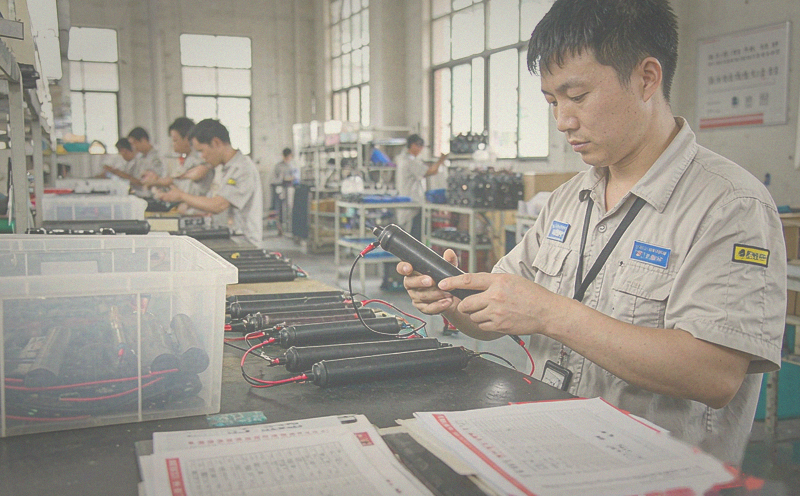
UFOPOWER's production runs under ISO9001 and IATF16949 quality management, with documented processes and 100% factory testing before shipment — the system-level counterpart to the product certificates below.
Market Access Marks by Region
Once a battery is safe and shippable, it still needs permission to be sold. Market-access marks are regional, and a pack cleared for Europe is not automatically clear for Japan, Korea, India or China.
| Mark / Scheme | Region | Key Point |
|---|
| CE | European Economic Area | Declares conformity with EU directives such as EMC, RoHS and LVD; typically requires IEC 62133 and UN 38.3 compliance |
| CB Scheme | IECEE participating countries | Harmonises testing across countries using IEC standards such as IEC 62133 and IEC 62619 |
| PSE | Japan | Required under the Electrical Appliance and Material Safety Law |
| UKCA | United Kingdom | Post-Brexit equivalent of CE, required for the UK market since 1 January 2021 |
| KC | South Korea | Covers product safety, EMC compliance and consumer protection |
| BIS / ISI | India | Mandatory for lithium-ion batteries, tested against IS 16046 which is harmonised with IEC 62133 |
| GB 31241 | China | Safety requirements for lithium-ion batteries in portable electronics, mandatory since 2018 |
Industry-Specific Requirements
General certifications get a battery into a country. Industry schemes get it into a product. This is where application knowledge matters most.
• Automotive — ISO 26262 covers functional safety for electrical and electronic systems, including the BMS and pack; IEC 62660 parts 1 to 3 address lithium-ion cells for electric road vehicle propulsion; SAE J2929 sets safety guidelines for rechargeable energy storage systems; UL 2580 covers electric vehicle batteries; and IATF 16949 is the automotive quality management system standard suppliers are commonly required to hold.
• Aerospace — RTCA DO-311 defines minimum operational performance standards for rechargeable lithium battery systems in aircraft, with rigorous testing and safety assessment.
• Medical devices — IEC 60601-1 governs the safety and essential performance of medical electrical equipment; a battery inside such equipment must contribute to that compliance, which usually brings IEC 62133 into scope.
• Light electric vehicles — UL 2271 covers battery packs for e-bikes, e-scooters and similar micromobility products, evaluating the pack and its protective circuitry under stress.
• Portable electronics — IEEE 1725 and IEEE 1625 take a system-level view of quality and reliability, from cell manufacturing through pack assembly and integration.
• Logistics — IATA's CEIV programme certifies logistics providers for handling lithium batteries.
What to Ask a Battery Supplier Before You Order
• Which certificates apply to the cell, and which apply to the pack?
• Is there a UN 38.3 test summary for this exact configuration, not a similar one?
• Which destination markets are covered, and which marks still need to be added?
• Can you supply MSDS/SDS, RoHS and REACH documentation with the shipment?
• Does the BMS design match the standard the application requires?
• Who holds the quality system certificate — the factory or a trading intermediary?
How UFOPOWER Handles Certification
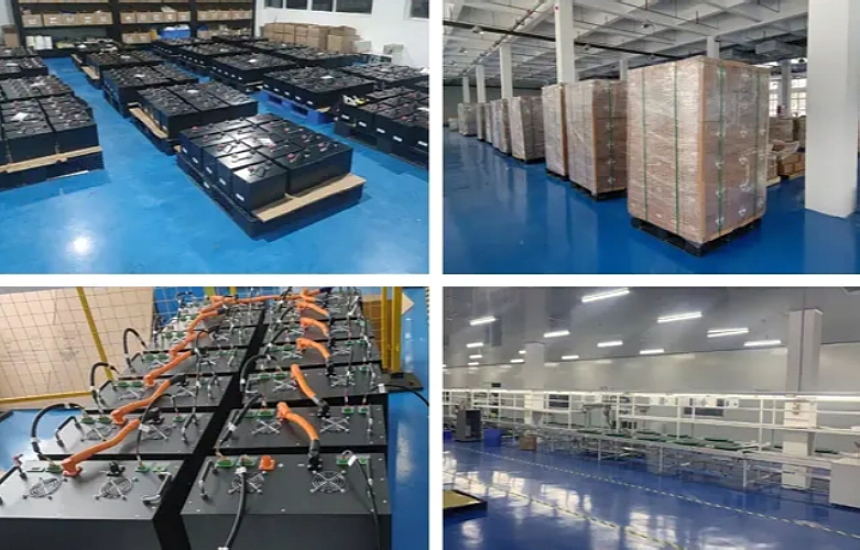
UFOPOWER is a professional lithium battery manufacturer with in-house production lines under ISO9001 and IATF16949 quality management. Every pack goes through strict quality control and 100% factory testing before shipment, and shipments are supported with the documentation buyers actually need: UN 38.3 test summaries, MSDS/SDS sheets and CE/RoHS declarations where the configuration and destination market require them.
• Factory-direct supply — certificates trace back to the line that built the pack, not to a reseller.
• OEM and ODM programs — pack design adapted to the certification route your market demands.
• Custom battery solutions — voltage, capacity, BMS and enclosure specified for the application, not retrofitted afterwards.
• Documentation support — battery data, test records and compliance files prepared for customs, carriers and distributors.
© 2026 UFOPOWER. All rights reserved. | www.ufobattery.com Электронная почта: sales@ufo-battery.com Аккумуляторы UFOPOWER | Индивидуальные решения по аккумуляторам


 EN
 AR
 DE
 ES
 FR
 JP
 KO
 PT
 RU
 Главная >
 Oct 13, 2026








 в WhatsApp