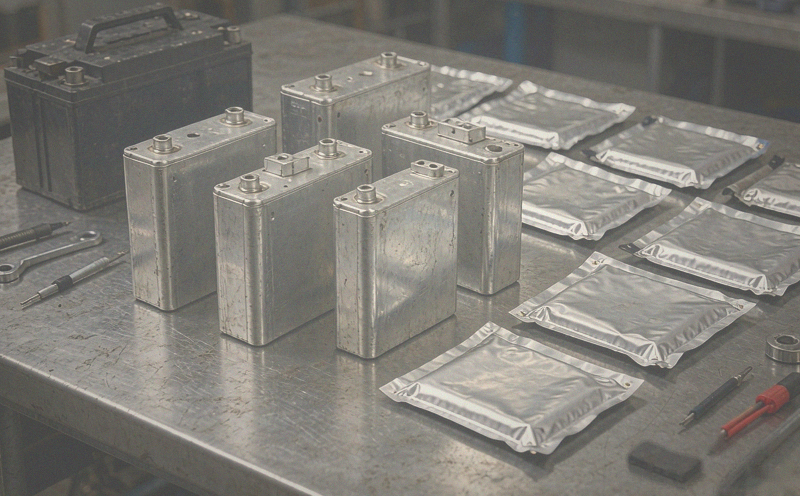
LiFePO4 and lithium-ion polymer are both lithium batteries, both rechargeable, and both sold in pouch or prismatic formats. That is roughly where the similarity ends. One is built for cycle life, safety and replacing lead-acid banks; the other is built for energy density and high discharge rates in devices that have to be light.
This comparison sets the two chemistries side by side on the factors that actually decide a design: cycle life, energy density, discharge rate, voltage platform, temperature limits and cost per cycle. UFOPOWER is a professional lithium battery manufacturer and builds packs in both chemistries, so this is the same conversation we have with customers before a pack specification is fixed.
The Short Answer
If the product needs long service life, intrinsic safety and a drop-in replacement for lead-acid, choose LiFePO4. If the product needs to be light, thin, shape-flexible and deliver high current in bursts, choose lithium-ion polymer. Most design mistakes come from asking one chemistry to do the other's job.
| Facteur | LiFePO4 (LFP) | Lithium-ion Polymer (LiPo) |
|---|
| Vie du cycle | 2,000 to 3,000 cycles or more; 4 to 5 times that of other lithium-ion chemistries | Shorter cycle life |
| Densité énergétique | Lower — heavier for the same capacity | Higher — lighter, more compact |
| Taux de décharge | Moderate | High — up to 50C continuous, 150C pulse |
| Tension nominale | 3.2V per cell, 3.65V fully charged | Higher per cell, chemistry dependent |
| Sécurité | The safest lithium chemistry available | Good, but less intrinsically tolerant than LFP |
| Low temperature | Weak — typically discharge at -10℃ to -20℃ | Better cold-weather behaviour |
| Best fit | Solar storage, golf carts, forklifts, e-motorcycles, lead-acid replacement | Drones, RC models, power tools, wearables, thin devices |
What a Lithium-ion Polymer Battery Actually Is
A lithium-ion polymer battery is a rechargeable battery that works by moving lithium ions between the positive and negative electrodes. The cathode material is what defines the sub-type, and the common options are lithium cobalt oxide (LCO), lithium manganese oxide (LMO), lithium nickel cobalt aluminium (NCA), lithium nickel manganese cobalt (NMC) and lithium iron phosphate (LFP).
So LiFePO4 is not a rival family to LiPo — it is one chemistry inside the lithium-ion world, usually delivered in a prismatic or pouch format. The useful comparison is therefore LiFePO4 against the high-energy-density polymer chemistries, because that is where the trade-offs are sharpest.
What a LiFePO4 Battery Is
A LiFePO4 battery uses lithium iron phosphate as the cathode and a graphitic carbon electrode with metallic backing as the anode. It is the safest lithium battery type currently available, and it can be built small and light while still reaching thousands of cycles.
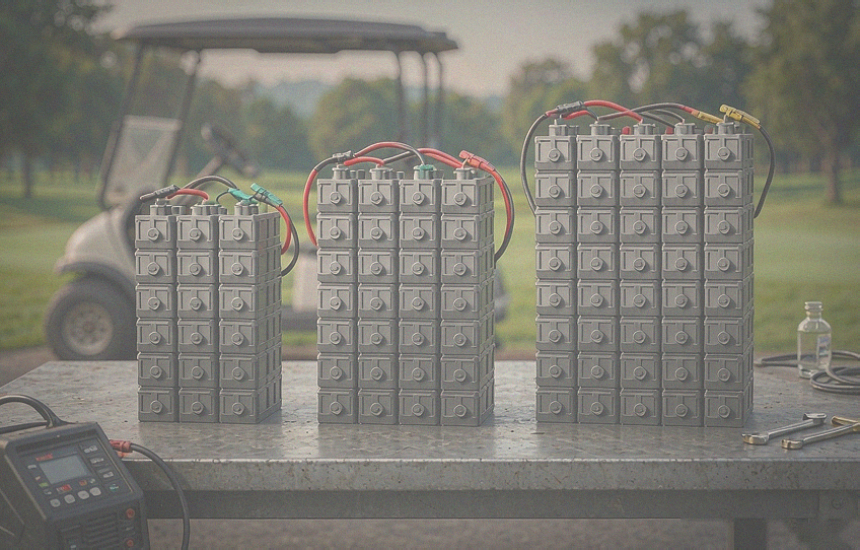
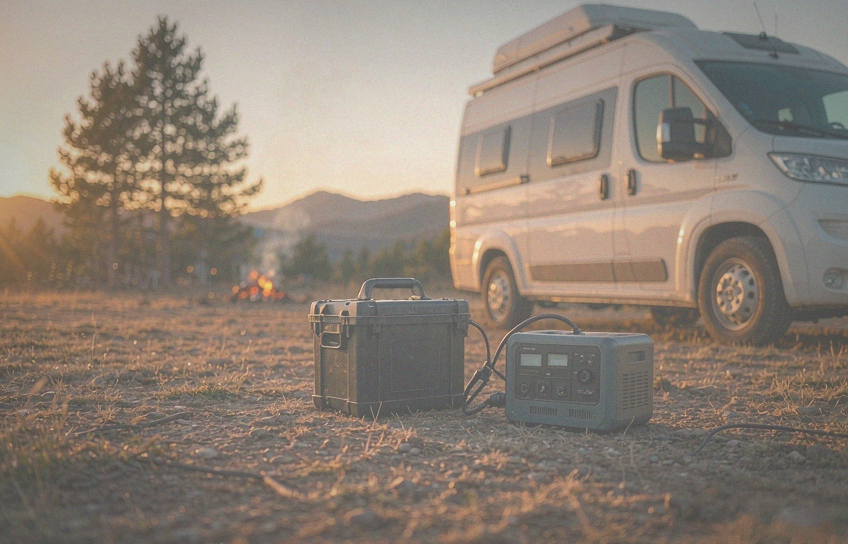
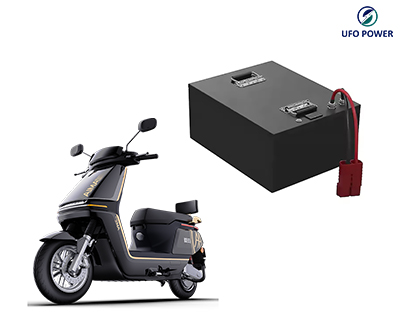
Its natural habitat is the lead-acid replacement market: household solar systems, fishing and marine power, golf carts, outdoor portable energy storage and electric motorcycles. In industrial settings it shows up in forklifts, winches and power tools running on 12V and above.
The Real Differences, One by One
Cycle life and depth of discharge
This is the headline number. A LiFePO4 cell delivers 2,000 to 3,000 cycles or more, roughly four to five times the cycle life of other lithium-ion polymer chemistries. It also tolerates 100% depth of discharge, which means storage products do not have to be babied around a partial-charge window. A good LiFePO4 pack serves three to seven years, which is why its cost per cycle looks so different from its sticker price.
Energy density and weight
Here the polymer chemistries win. LiFePO4 packs are heavier and bulkier for the same capacity, which is exactly why they are a poor choice for wearable devices where the battery compartment is measured in millimetres. A LiPo pack fits the same energy into less space and less mass.
Discharge rate and burst current
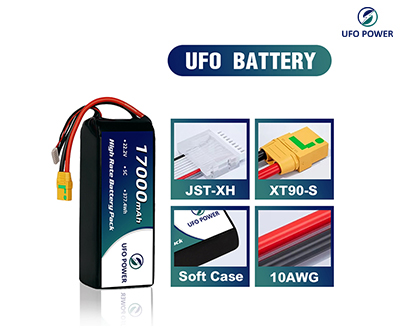
Large current charging and discharging is the classic LiPo advantage: it lets a device release a lot of energy in a short time. RC model packs commonly run at 15C, 30C or 50C, and high-rate polymer cells can reach 50C continuous with 150C pulse. That is why almost every drone and RC battery is a polymer pack. LiFePO4 sits lower on this curve — it is strong, but not a sprint specialist.
Voltage platform
A single LiFePO4 cell is nominally 3.2V and reaches 3.65V when fully charged. That lower cell voltage is the main practical drawback when swapping into systems designed around other chemistries, because it changes the series count for a given pack voltage.
Low-temperature behaviour
Cold is LiFePO4's weak spot. Compared with other polymer and lead-acid batteries, it resists low temperature poorly and generally discharges only at -10℃ to -20℃. Customers who value its safety profile sometimes accept a performance sacrifice to specify discharge at -30℃ to -40℃, and those packs tend to serve specialised deep-sea or space equipment.
Why Most LiFePO4 Packs Are 12V
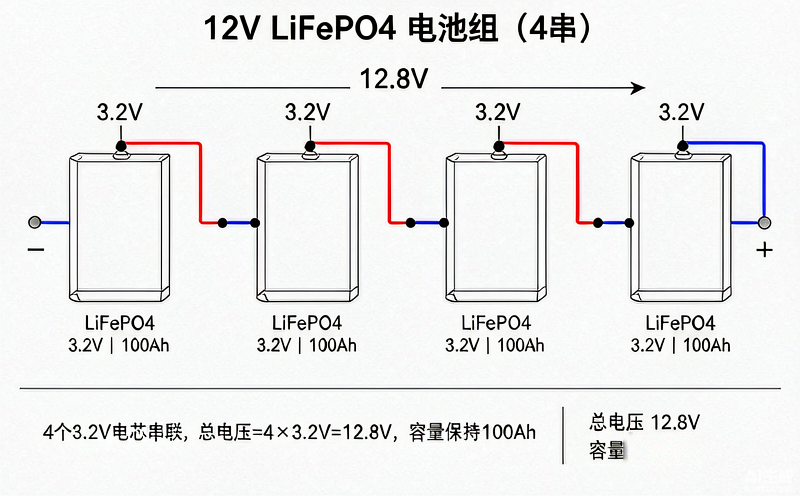
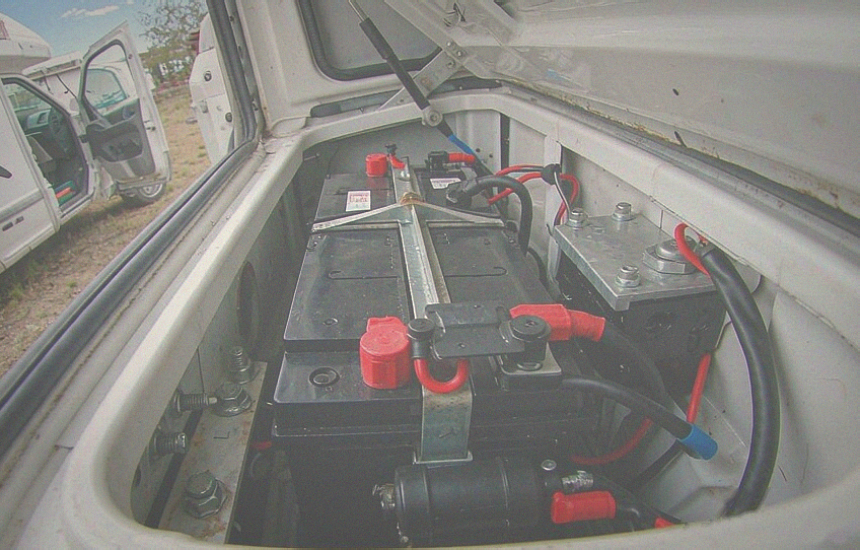
The answer is lead-acid compatibility. A lead-acid cell is nominally 2V, and six in series make the familiar 12V block. A 12V LiFePO4 pack reaches almost the same place with four cells in series: 3.2V multiplied by four equals 12.8V. Close enough to drop into existing 12V systems, different enough that chargers and cut-offs need checking.
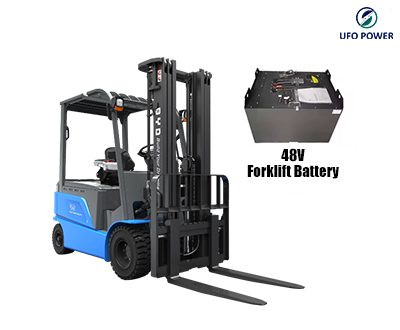
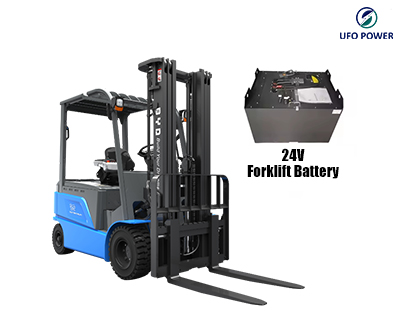
Scale that up and you get the 24V (25.6V) and 48V (51.2V) packs that dominate industrial use. Most industrial applications expect 12V or above as a minimum nominal voltage, while heavier equipment — forklifts, winches, industrial drills — may run at 220V, 380V or higher. Sales of 24V and 48V electric forklifts have been rising steadily, and safety is the first question buyers ask, which is where LiFePO4's advantage over lithium cobalt oxide and lithium manganese oxide chemistries becomes a commercial argument as well as a technical one.
Choosing by Application
| Application | Recommended Chemistry | Why |
|---|
| Home solar and portable energy storage | LiFePO4 | Long cycle life, 100% DOD tolerance, intrinsic safety |
| Golf carts and low-speed vehicles | LiFePO4 | Direct lead-acid replacement, light weight, thousands of cycles |
| Forklifts and industrial traction | LiFePO4 | Safety in high-capacity packs, lower total cost of ownership |
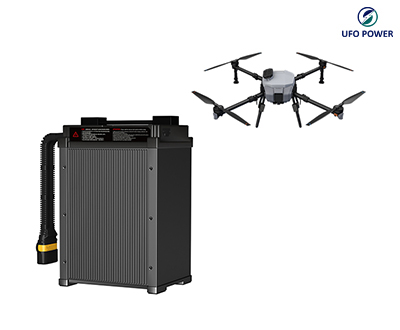
| Drones and RC models | High-rate LiPo | 50C continuous, 150C pulse, light packs |
| Power tools | High-rate LiPo | Burst current in a compact, light pack |
| Wearables and thin devices | LiPo | Higher energy density; LiFePO4 cannot fit the compartment |
| Deep-sea or space equipment | Low-temperature LiFePO4 | Specified to discharge at -30℃ to -40℃ with a performance trade-off |
The pattern is consistent: when the constraint is space and weight, polymer wins. When the constraint is years in service, safety and total cost, LiFePO4 wins. Designers who try to force one into the other's role end up paying for it in either volume or replacement cycles.
How UFOPOWER Builds Both Chemistries
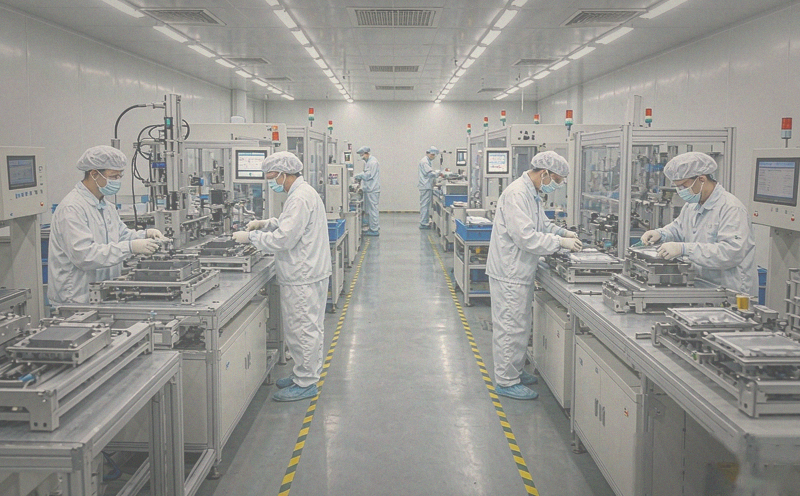
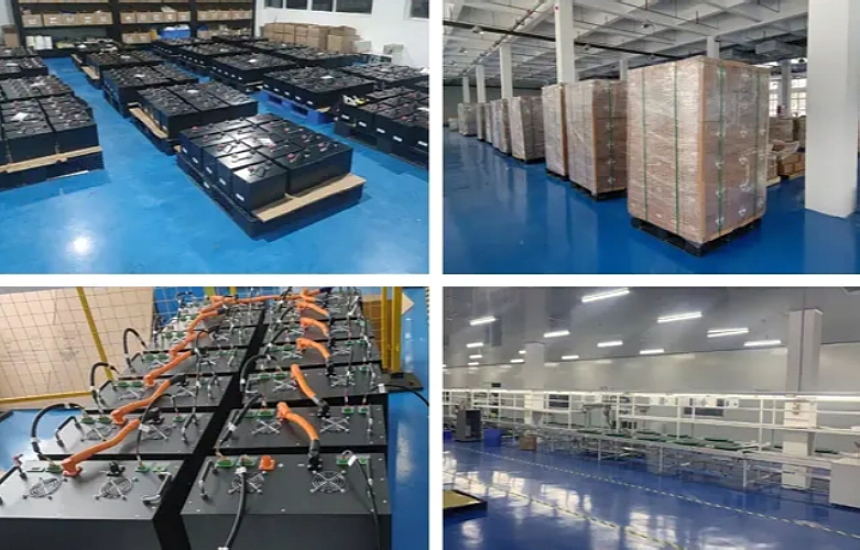
UFOPOWER is a professional lithium battery manufacturer producing both LiFePO4 and lithium polymer packs on in-house production lines, under ISO9001 and IATF16949 quality management. Every pack passes strict quality control and 100% factory testing before shipment, and the specification is matched to the application rather than to whatever cell happens to be in stock.
• Factory-direct supply — cell selection, pack assembly and testing under one roof.
• OEM and ODM programs — housing, connectors, BMS behaviour and branding adapted to your product.
• Custom battery solutions — voltage, capacity and chemistry chosen against the real duty cycle.
• Application engineering — low-temperature variants, high-rate packs and long-life packs specified with the trade-offs stated up front.
© 2026 UFOPOWER. All rights reserved. | www.ufobattery.com | Email : sales@ufo-battery.com Batteries UFOPOWER | Solutions de batteries sur mesure


 EN
 AR
 DE
 ES
 FR
 JP
 KO
 PT
 RU
 Accueil >
 Oct 12, 2026







 sur WhatsApp