Choosing the right RV battery decides how long you can stay off-grid, how much you can run, and how often you have to think about maintenance. Today's RV owners can choose between four main chemistries — flooded lead-acid, gel-cell, AGM and lithium (LiFePO4). As a professional lithium battery manufacturer, UFOPOWER has put together this guide so you can compare them on cost, weight, lifespan, charging time and maintenance, and match the battery to the way you actually camp.
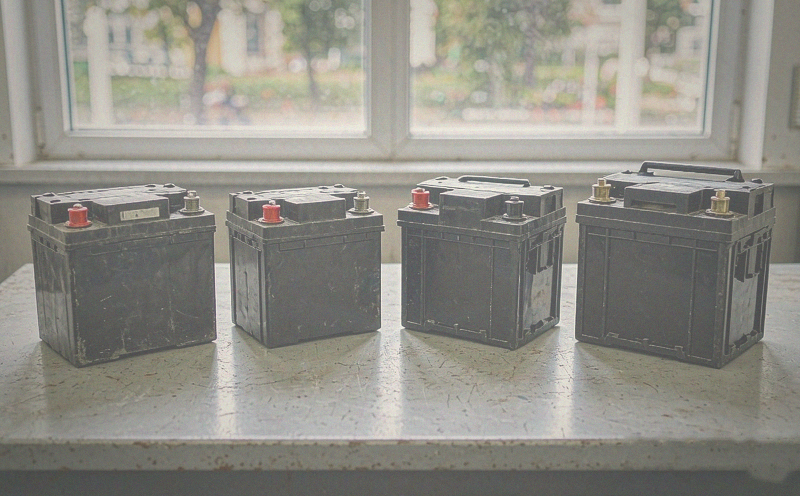
Why your RV battery choice matters
Two numbers drive almost every RV battery decision. The first is capacity, measured in amp-hours (Ah): it sets how long your lights, fridge, fans and inverter can run between charges. The second is depth of discharge (DOD): how much of that capacity you can actually use without damaging the battery. Add your charging habits and the temperatures you camp in, and you have the four factors that decide both performance and lifespan.
Get them wrong and you either pay for capacity you cannot use, or you shorten the life of a battery you spent good money on. The type of battery you buy sets the limits for all four.
The four main types of RV batteries
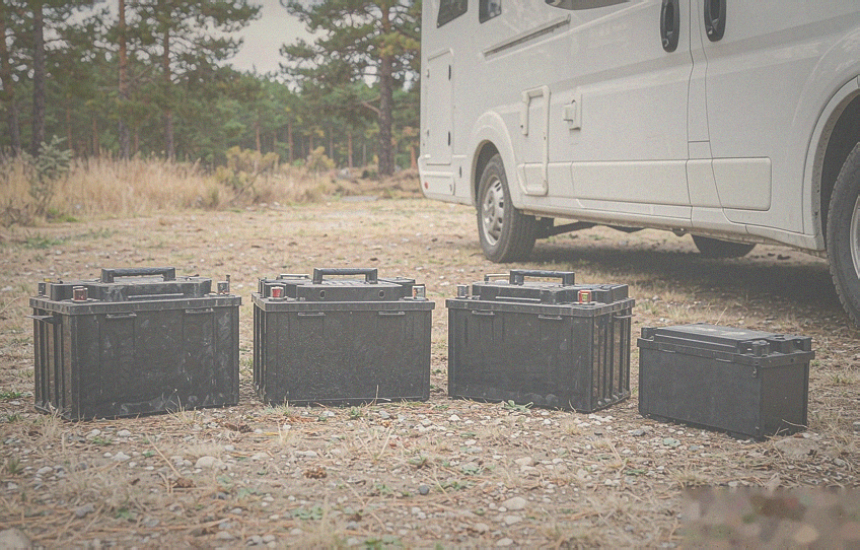
RV batteries commonly fall into four categories: flooded lead-acid, gel-cell sealed lead-acid, AGM sealed lead-acid and lithium (LiFePO4). Here is what sets each one apart.
Flooded lead-acid batteries
The least expensive and most common option. They use a liquid electrolyte that covers the internal plates, so they need ventilation and should be mounted upright to avoid leaks.
• Cost: the cheapest RV battery type
• Usable charge: roughly 50% depth of discharge — draining them flat damages them
• Lifespan: about 3 to 5 years with good care
• Charging: 8 to 12 hours from 50% to full
• Maintenance: regular — top up with distilled water and keep terminals clean
• Operating temperature: -40°F to 131°F (-40°C to 55°C)
Gel-cell RV batteries
Gel-cell batteries are sealed lead-acid batteries with the electrolyte turned into a gel, so there is no water to top up. They resist shock, vibration and corrosion and can be mounted in any position.
• Cost: cheaper than AGM or lithium, more than flooded lead-acid
• Usable charge: about 50% depth of discharge for a long life
• Lifespan: typically 3 to 8 years with proper care
• Charging: 5 to 10 hours from 50% to full
• Maintenance: maintenance-free
• Operating temperature: -40°F to 131°F (-40°C to 55°C)
AGM (absorbent glass mat) RV batteries
AGM batteries are also sealed lead-acid, but fiberglass mats absorb the acid. That makes them spill-proof, maintenance-free and a good fit for rough roads and off-road travel.
• Cost: mid-range — more than flooded lead-acid, less than lithium
• Usable charge: about 50% depth of discharge to protect cycle life
• Lifespan: 4 to 7 years with optimal care
• Charging: 4 to 8 hours from 50% to full
• Maintenance: maintenance-free, but use a smart charger to avoid overcharging
• Mounting: any position thanks to the sealed design
Lithium (LiFePO4) RV batteries
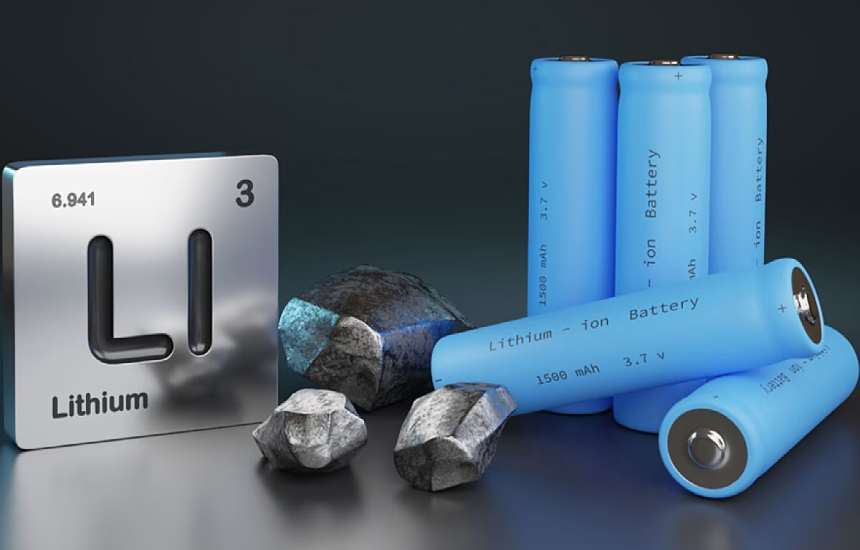
Lithium-iron phosphate (LiFePO4) batteries are the newest and most advanced type of RV battery. Instead of lead and acid, lithium ions move between electrodes to store and release energy, which makes them far lighter, more efficient and longer lasting.
• Weight: significantly lighter than lead-acid and AGM packs of the same capacity
• Usable charge: 80 to 90% depth of discharge without damage, versus about 50% for lead-acid
• Lifespan: up to 10 years or more with proper use
• Charging: 2 to 6 hours from 50% to full
• Maintenance: completely maintenance-free
• Safety: a built-in battery management system (BMS) guards against overcharge, overheating and short circuits
• Discharge temperature: -4°F to 140°F (-20°C to 60°C)
• Charging in the cold: most LiFePO4 batteries should not be charged below 32°F (0°C), unless the pack includes a built-in heating system
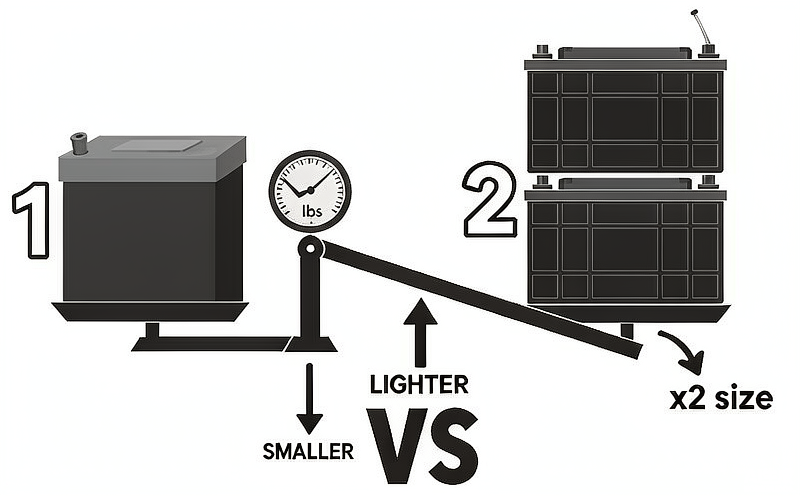
RV battery comparison at a glance
Use the table below to compare the four types on the things that matter most: price, weight, lifespan, charging time and maintenance.
| Type | Cost | Вес | Lifespan | Charging (50% to full) | Техническое обслуживание |
|---|
| Свинцово-кислотная | Низкий | Heavy | Short | 8 to 12 hours | Regularly needed |
| Gel-cell | Medium | Heavy | Medium | 5 to 10 hours | Maintenance-free |
| AGM | Medium | Heavy | Medium | 4 to 8 hours | Maintenance-free |
| Lithium (LiFePO4) | Высокий | Light | Longest | 2 to 6 hours | Maintenance-free |
Lead-acid vs gel vs AGM vs lithium: what changes for you
On paper, all four types power the same appliances. In practice, the differences show up on every trip. Flooded lead-acid is cheap to buy but the heaviest to tow around and the only type that asks you to check water levels. Gel-cell and AGM remove the maintenance and tolerate rough roads, but still let you use only about half of their rated capacity, and they still carry the weight penalty of lead.
Lithium changes the maths in three ways. It lets you use 80 to 90% of the rated capacity instead of about 50%, so a smaller, lighter pack can do the same job. It charges in a fraction of the time — 2 to 6 hours instead of 8 to 12 — which matters when you are moving between campsites or relying on solar. And it lasts up to 10 years or more, so the higher purchase price is spread over far more seasons. The trade-off is a higher upfront cost and the need for a charger that suits lithium chemistry.
For campers who boondock, run an inverter, or simply want to spend less time thinking about their battery, lithium is usually the better long-term choice. For weekenders on hookups who want the lowest possible price, a lead-acid or AGM battery can still make sense.
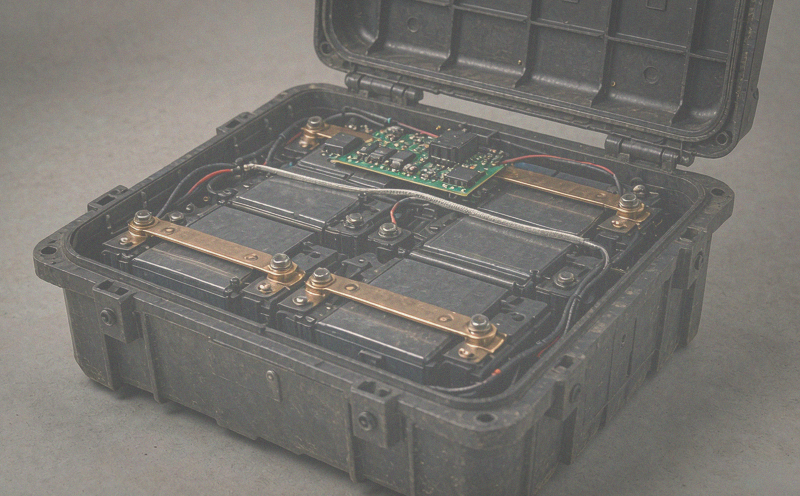
How UFOPOWER builds custom RV lithium batteries
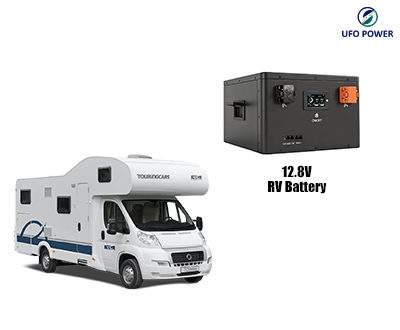
UFOPOWER is a professional lithium battery manufacturer producing LiFePO4 RV battery packs from 12V to 48V. Every pack is assembled in-house on controlled production lines and tested before shipment, and our engineering team can tailor voltage, capacity, dimensions and BMS behaviour to your camper, van conversion or fleet.
• Custom 12V, 24V and 48V LiFePO4 packs, sized to your daily amp-hour needs
• Smart BMS with overcharge, over-discharge, over-temperature and short-circuit protection
• Low-temperature heating options for charging safely below freezing
• OEM/ODM and factory-direct service, from prototype to volume production
• 100% factory testing and strict quality control on every pack


 EN
EN AR
AR DE
DE ES
ES FR
FR JP
JP KO
KO PT
PT RU
RU Главная >
  Oct 09, 2026






 в WhatsApp