
 Sep 02, 2026
اليوم & رسكو؛ في بيئة صناعية ولوجستية سريعة الحركة ، تلعب الرافعات الشوكية دورًا حاسمًا في المستودعات ومرافق التصنيع ومراكز التوزيع وعمليات البناء. ومع استمرار الشركات في تحسين الكفاءة وخفض تكاليف التشغيل، يزداد الطلب على بطاريات الرافعات الشوكية الموثوقة والعالية الأداء في جميع أنحاء العالم.
لسنوات عديدة ، كانت بطاريات الرصاص الحمضية مصدر الطاقة التقليدي للرافعات الشوكية الكهربائية. ومع ذلك ، مع تطوير تكنولوجيا بطاريات الليثيوم ، فإن المزيد من الشركات تتحول إلى بطاريات الرافعات الشوكية الليثيوم بسبب عمرها الطويل ، والكفاءة العالية ، وقدرة الشحن الأسرع ، ومتطلبات الصيانة المنخفضة. كـ مصنع بطارية الليثيوم المهنيةوتركز UFOPOWER على توفير حلول بطاريات الرافعة الشوكية LiFePO4 عالية الجودة للعملاء الصناعيين العالميين. مع تكنولوجيا بطاريات الليثيوم المتقدمة وخبرة تطبيقية واسعة، تدعم UFOPOWER الشركات التي تبحث عن حلول طاقة أكثر أمانا وكفاءة وأكثر استدامة.
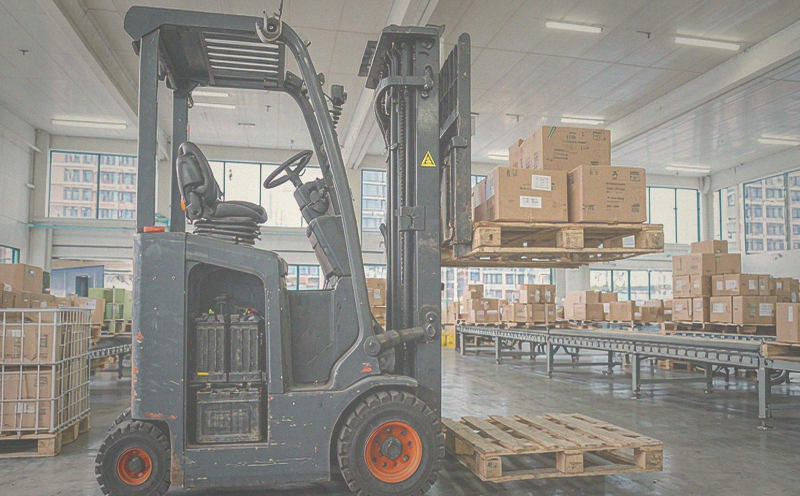
تلعب شركة تصنيع بطاريات الرافعات الشوكية المهنية دورا رئيسيا في سلسلة توريد البطارية بأكملها. على عكس الموزعين أو التجار البسيطين ، يتحكم المصنعون في العمليات الأساسية لإنتاج البطارية ، بما في ذلك اختيار الخلايا ، وتجميع حزمة البطارية ، ودمج BMS ، واختبار الأداء ، وفحص الجودة. قد تعمل الرافعة الشوكية التي تعمل في بيئة مخزن أو مصنع لعدة ساعات كل يوم ، ويمكن أن تسبب فشل البطارية غير المتوقع تأخير الإنتاج وزيادة تكاليف التشغيل. يضمن مصنع موثوق به انتاج طاقة مستقرة أثناء التشغيل ، وعمر خدمة طويل تحت دورات الشحن المتكررة ، وحماية السلامة القوية ، وأداء المنتج المتسق والدعم التقني المهني.
عند شراء بطاريات الرافعات الشوكية ، غالبا ما تحتاج الشركات إلى أن تقرر ما إذا كانت ستعمل مع مصنع أو موزع. يركز الموزع بشكل رئيسي على مبيعات المنتجات وتسليمها، بينما يتحكم المصنع في التكنولوجيا وعملية الإنتاج:
| البعد | مصنع البطارية المباشرة | موزع البطارية |
|---|---|---|
| مراقبة الجودة | مراقبة كل مرحلة من مراحل الإنتاج، من خلايا البطارية إلى المنتجات النهائية | بيع وتسليم منتجات من منتجين آخرين |
| القدرة على التوريد | قدرة إنتاج مستقرة لوحدات متعددة ومشاريع طويلة الأجل | يعتمد على المخزون والتوافر |
| الدعم التقني | توجيهات تستند إلى ظروف التشغيل الحقيقية (BMS، الشحن، التطبيقات) | محدود لمعلومات المنتج |
بالنسبة لعملاء B2B العالميين ، فإن اختيار مصنع بطاريات الرافعات الشوكية الموثوق به ليس فقط عن شراء بطارية و mdash ؛ إن الأمر يتعلق ببناء شراكة موثوقة لإمدادات الطاقة.
تشهد صناعة الرافعات الشوكية انتقالًا كبيرًا من بطاريات الرصاص الحمضية التقليدية إلى حلول بطاريات الليثيوم. على الرغم من أن بطاريات الرصاص الحمضية استخدمت على نطاق واسع لعقود، إلا أنها لها عدة قيود: عمر دورة أقصر، وقت شحن أطول، متطلبات صيانة منتظمة، كفاءة طاقة أقل، وتخفيض الأداء أثناء التشغيل الثقيل.
بطاريات فوسفات الحديد الليثيوم (LiFePO4) تحل العديد من هذه التحديات وأصبحت واحدة من الخيارات المفضلة لتطبيقات الرافعات الشوكية الصناعية بسبب سلامتها الممتازة ومتانتها وكفاءتها في استخدام الطاقة. بالمقارنة مع البطاريات التقليدية ، تقدم بطاريات الرافعة الشوكية الليثيوم:
عمر خدمة أطول & mdash ؛ دورات شحن أكثر بكثير من بطاريات الرصاص الحمضية التقليدية ، مما يقلل من تواتر الاستبدال ونفقات التشغيل على المدى الطويل.
قدرة شحن أسرع & mdash ؛ تتيح فرصة الشحن للمشغلين إعادة الشحن خلال فترات استراحة قصيرة بدلاً من الانتظار لفترات شحن طويلة. وهذا أمر قيم بشكل خاص للمستودعات التي تعمل بدورات متعددة ومراكز التوزيع التي تعمل عمليات لوجستية مستمرة ومرافق التصنيع التي تتطلب توافر معدات عالية.
كفاءة طاقة أعلى & mdash ؛ تحويل الطاقة الأكثر كفاءة يساعد الرافعات الشوكية على العمل لفترة أطول مع انتاج طاقة مستقرة.
تقليل وقت التوقف والصيانة & mdash ؛ لا تتطلب بطاريات LiFePO4 الري المنتظم أو الصيانة الحمضية ، لذلك تقضي المعدات المزيد من الوقت في العمل وإدارة البطارية أبسط في البيئات الصناعية المزدحمة.
اختيار المورد المناسب ليس فقط عن العثور على سعر تنافسي. بالنسبة للتطبيقات الصناعية ، فإن جودة البطارية وقدرة الإنتاج ومعايير السلامة والدعم طويل الأجل مهمة بنفس القدر.
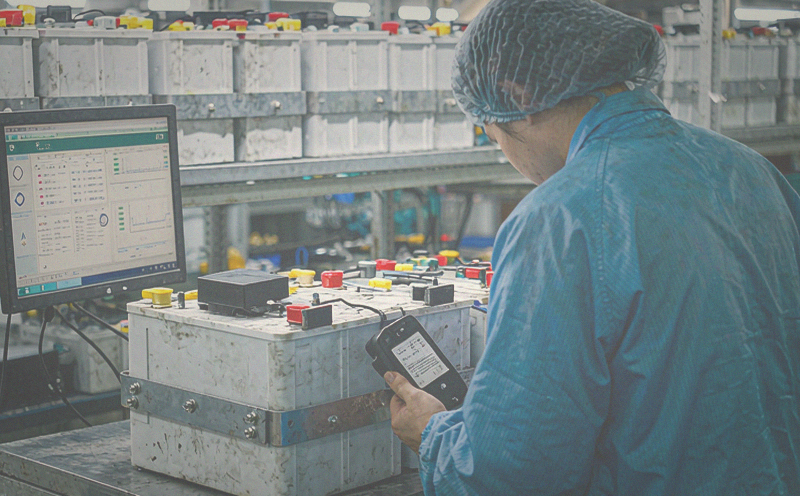
يجب أن يكون لدى الشركة المصنعة الموثوقة السيطرة على عمليات الإنتاج الرئيسية ، بما في ذلك اختيار خلايا البطارية ، وتجميع وحدات البطارية ، ودمج BMS ، واختبار الأداء ، وفحص السلامة ومراقبة الجودة النهائية. كما يستثمر المصنعون المهنيون في معدات الاختبار لتقييم أداء الشحن والتفريغ وسعة البطارية ومقاومة درجات الحرارة ووظائف الحماية وأداء الدورة الطويلة الأجل mdash ؛ ضروري للعملاء الصناعيين الذين يحتاجون إلى بطاريات لتشغيل موثوقة في بيئات صعبة.
تتطلب الرافعات الشوكية المختلفة مواصفات بطاريات مختلفة بناءً على متطلبات الطاقة وساعات التشغيل وبيئات العمل. يجب على الشركة المصنعة المهنية توفير مجموعة واسعة من حلول بطاريات الليثيوم القياسية:
| منصة الجهد | Typical Applications | أفضل مناسبة ل |
|---|---|---|
| 24 فولت | Electric pallet trucks, walkie stackers, small warehouse equipment | Light-duty applications needing compact, efficient energy |
| 36V | Reach trucks, electric stackers, medium-duty forklifts | Balanced power output and operating efficiency |
| 48 فولت | Counterbalance forklifts, warehouse forklifts, distribution center equipment | Long working hours with higher energy capacity and strong performance |
| 72V | Large electric forklifts, heavy material handling equipment | Heavier-duty applications requiring high power output |
Safety is one of the most important factors when selecting lithium forklift batteries. High-quality LiFePO4 batteries are known for excellent thermal stability and safety characteristics compared with other lithium battery chemistries. A professional manufacturer should integrate an advanced Battery Management System (BMS) that provides overcharge protection (preventing excessive charging that may affect battery lifespan), over-discharge protection (preventing damage caused by deep discharge), over-current protection (protecting the battery during high-load operation) and temperature monitoring (ensuring safe operation under different working conditions).
When purchasing forklift batteries, many companies only compare the initial purchase price. However, the real cost of a battery includes maintenance, replacement frequency, charging efficiency and operational downtime. This is why more businesses evaluate the Total Cost of Ownership (TCO) when choosing lithium forklift batteries.
Lower maintenance costs — traditional lead-acid batteries require water refilling, acid level inspection, cleaning and maintenance scheduling. LiFePO4 batteries require minimal maintenance, reducing labor costs and simplifying battery management.
Longer battery lifespan — because LiFePO4 forklift batteries typically offer longer cycle life, businesses reduce replacement frequency, lowering replacement costs and equipment interruption.
Higher operational efficiency — lithium batteries support fast charging and opportunity charging with stable power output, allowing forklifts to spend more time performing productive work instead of waiting for battery replacement or maintenance.
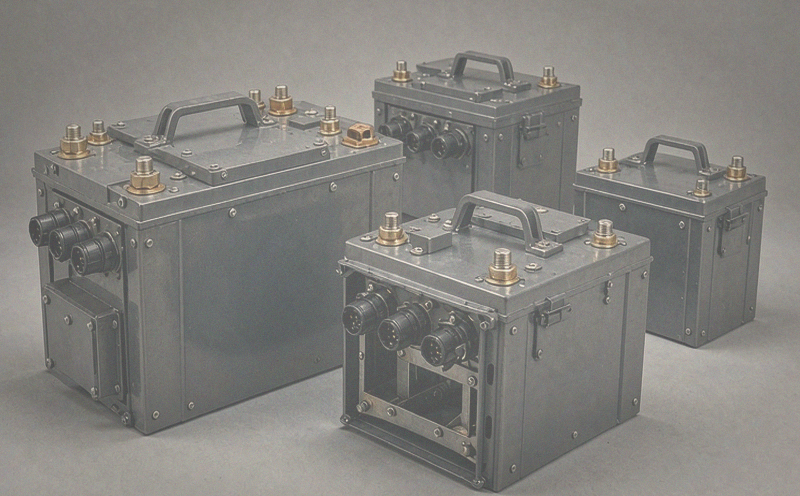
As global industries accelerate their transition toward electrification, choosing a reliable lithium battery partner has become increasingly important. Companies need more than just a battery supplier — they need a manufacturer that understands industrial applications, provides consistent product quality, and supports long-term business growth.
UFOPOWER is a professional lithium battery manufacturer specializing in LiFePO4 battery solutions for industrial and commercial applications, including electric forklifts, reach trucks, pallet trucks, stackers, warehouse equipment and other industrial material handling applications. UFOPOWER provides standard lithium forklift battery solutions covering 24V, 36V, 48V and 72V voltage platforms, helping customers select suitable battery systems based on equipment specifications and operational needs.
Standardized solutions offer faster project implementation (shorter evaluation and purchasing cycles than fully customized development), stable product quality (consistent manufacturing processes) and easier global supply (reliable availability and repeatable performance). Battery quality is controlled through multiple production and testing procedures, including battery cell inspection, electrical performance testing, BMS function verification, charging and discharging tests, and safety inspection before shipment. With in-house manufacturing and strict quality management, UFOPOWER aims to provide dependable lithium battery solutions for customers in different industrial markets.
The forklift industry is entering a new stage of energy transformation. More warehouses, factories and logistics companies are choosing lithium batteries because they offer clear advantages over traditional technologies. Key drivers include higher productivity requirements (equipment that works longer with fewer interruptions), rising energy efficiency expectations and lower maintenance demand. As a result, lithium forklift batteries are becoming a mainstream solution for electric material handling equipment.
Future forklift batteries will also become increasingly intelligent. Advanced battery systems are expected to provide real-time battery status monitoring, usage data analysis, predictive maintenance information and improved energy management, helping large facilities improve fleet efficiency and reduce unexpected downtime.
In addition, sodium-ion battery technology is attracting attention for future industrial applications, with potential advantages such as better low-temperature performance, reduced dependence on certain raw materials and strong safety characteristics. Manufacturers investing in multiple battery technologies will be better positioned to support future energy demands.
Selecting the right forklift battery manufacturer is an important decision for companies looking to improve efficiency, reduce operating costs and achieve more reliable industrial operations. A professional lithium battery manufacturer should provide stable manufacturing capability, reliable LiFePO4 battery technology, intelligent BMS protection and long-term technical support. For businesses searching for a reliable forklift battery supplier, UFOPOWER provides standard and customized lithium solutions backed by factory-direct production, strict quality control and global B2B service experience.
What is the difference between a forklift battery manufacturer and a distributor?
Why switch forklifts from lead-acid to LiFePO4 batteries?
Which forklift battery voltage do I need: 24V, 36V, 48V or 72V?
What safety features should a lithium forklift battery have?
How does UFOPOWER control forklift battery quality?
What are the future trends for forklift batteries?


 واتساب
 EN
EN AR
AR DE
DE ES
ES FR
FR JP
JP KO
KO PT
PT RU
RU الصفحة الرئيسية >